How employed Kenyans are making extra money to survive
By Valerian Khakayi, May 15, 2026For many employed Kenyans, the salary that once felt manageable is no longer enough to comfortably get through the month.
The high cost of living has made basic needs like rent, transport, food, electricity and school fees more expensive, pushing many people to look for extra ways to earn money.
Today, it is normal to find someone leaving the office at 5pm and immediately switching into another job. Behind the polished office outfits and “niko sawa” responses, many Kenyans are working extra hours, selling products online or running small businesses quietly on the side.
How they make extra income
The high cost of living has changed how many people think about money. For some, side hustles are no longer about luxury or soft life.
They are helping people pay rent, buy groceries, clear loans and survive until the next payday.
One of the most common ways employed Kenyans are making extra money is through online businesses.

Many people now sell clothes, shoes, handbags, perfumes or wigs through Instagram, TikTok and WhatsApp. Some never even open physical shops. A good photo, fast delivery and consistency are enough to attract customers.
Food businesses are also quietly booming. From homemade chapatis and smokies to lunch deliveries and cakes, many Kenyans are turning their kitchens into small businesses after work or during weekends. In offices around Nairobi, it is common to find colleagues buying food from a co-worker running a side hustle.
Photography and videography gigs are also helping many young professionals survive. Weddings, ruracios, birthdays and baby showers have created opportunities for creatives who spend weekends behind cameras while balancing weekday office jobs.
Ride-hailing apps like Uber and Bolt have become another source of extra income. Some employed Kenyans drive after work or during weekends to make additional money for bills and fuel. Others use motorcycles for deliveries or courier services.
Freelancing is also growing, especially among young people with digital skills. Some Kenyans are earning extra income through writing, graphic design, video editing, social media management and virtual assistance. For many, a laptop and stable internet connection have become important survival tools.
Interestingly, some of the most successful side hustles are the quietest ones.
Many people avoid talking openly about them because there is still pressure to appear financially comfortable. Yet the reality is that the high cost of living has made one salary feel insufficient for many households.
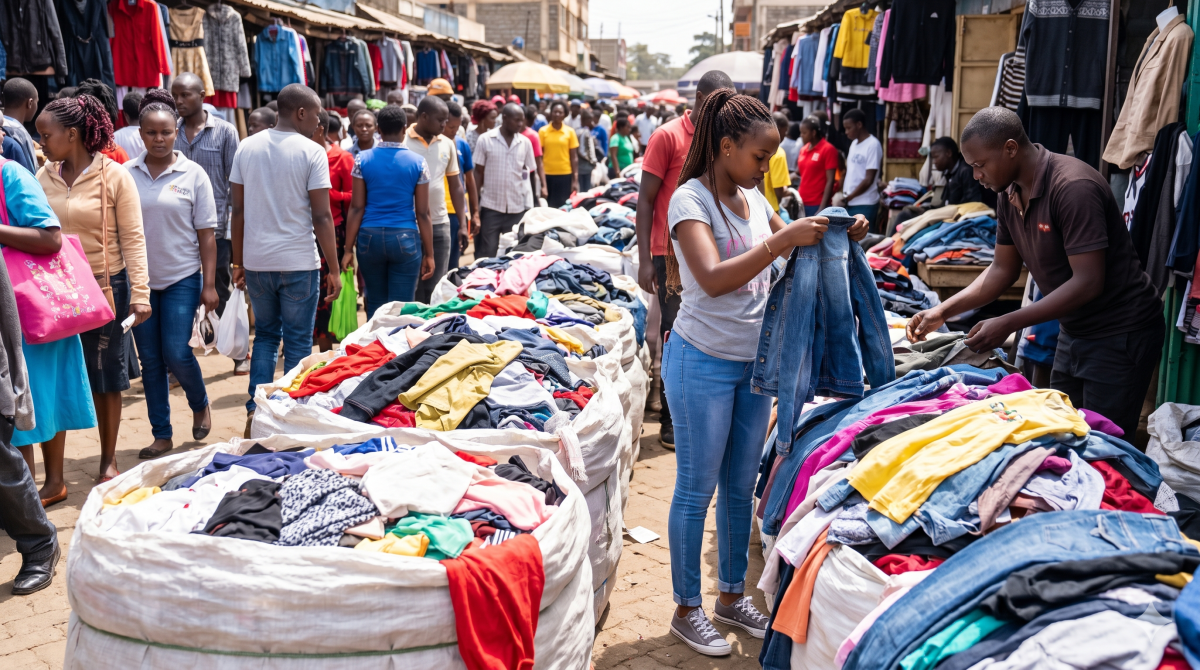
Even small side hustles are making a difference. Selling mtumba during weekends, baking cakes for birthdays, doing makeup appointments or managing a small online page can help cover electricity tokens, shopping or transport costs.
For many employed Kenyans, the goal is no longer just living comfortably. It is staying ahead of bills, avoiding debt and creating financial breathing space in an economy where things keep getting more expensive.
And as the high cost of living continues to bite, side hustles are slowly becoming part of everyday Kenyan life, not just for the unemployed, but even for people with stable jobs.