Advertisement
How an instant shower head works to warm water
18th May, 2026 04:34 PM
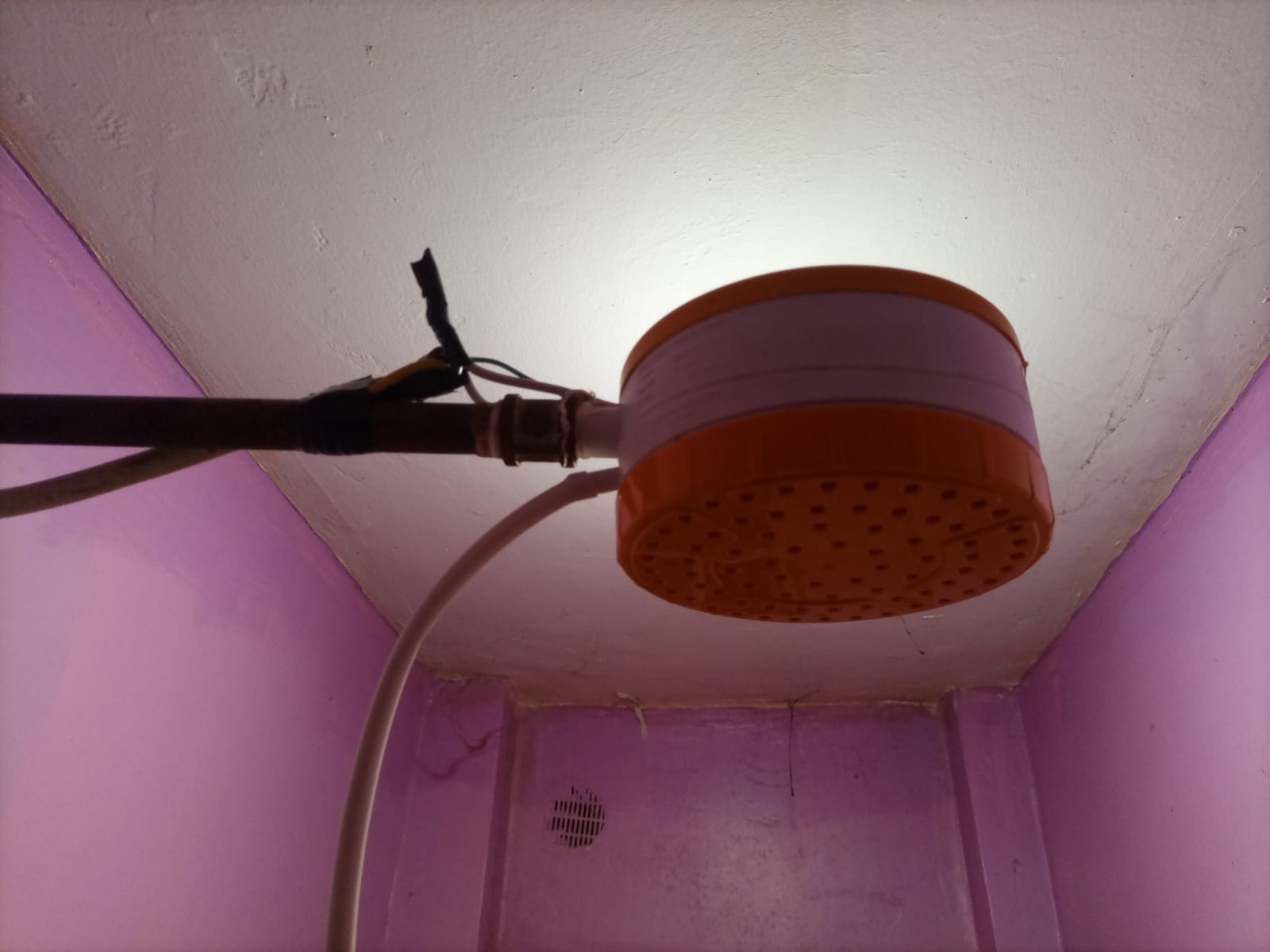
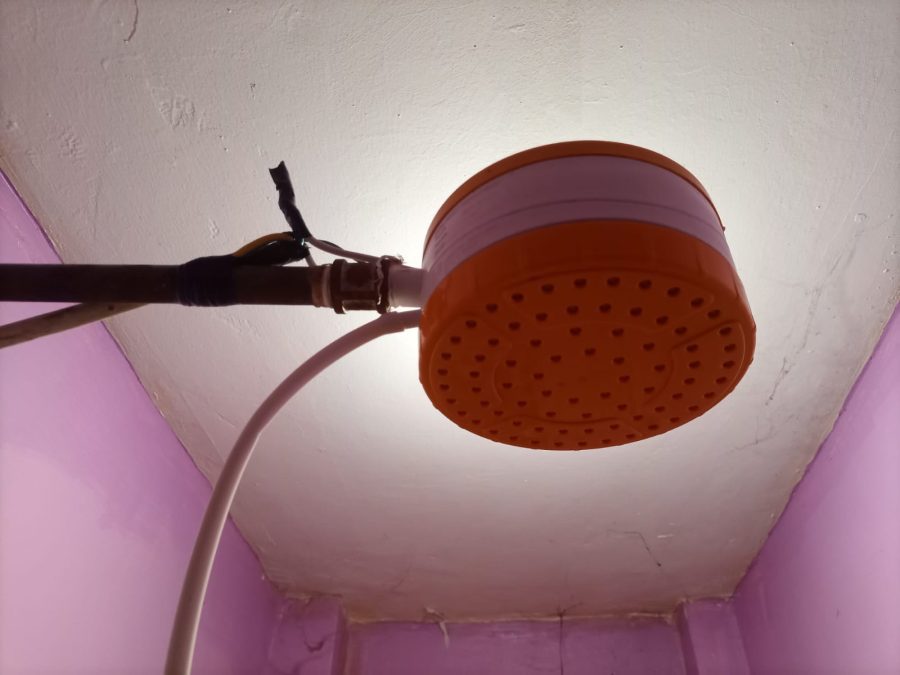
An instant shower head, also called an electric or tankless shower, is a system designed to heat water only when you switch it on.
Unlike traditional systems that store hot water in a tank, this device heats water instantly as it flows through the unit.
Understanding how it works becomes easier when you look at its main parts and how they connect together.
Cold water inlet system
The process begins with a cold water supply pipe connected to the shower unit.
When you open the shower, water flows into the internal chamber.
This flow is important because the system only activates when water is moving.
Inside the unit, a small flow switch or pressure diaphragm detects the incoming water.
Once it senses movement, it triggers the electrical system to start heating.
Electrical connection and control
The shower is connected to your home electricity supply through a dedicated circuit.
When activated, electricity flows through internal wiring to a heating element.
This heating element is usually made of a resistant metal coil. Its job is to convert electrical energy into heat.
This process is known as electrical resistance heating, where the coil becomes hot as electricity passes through it.
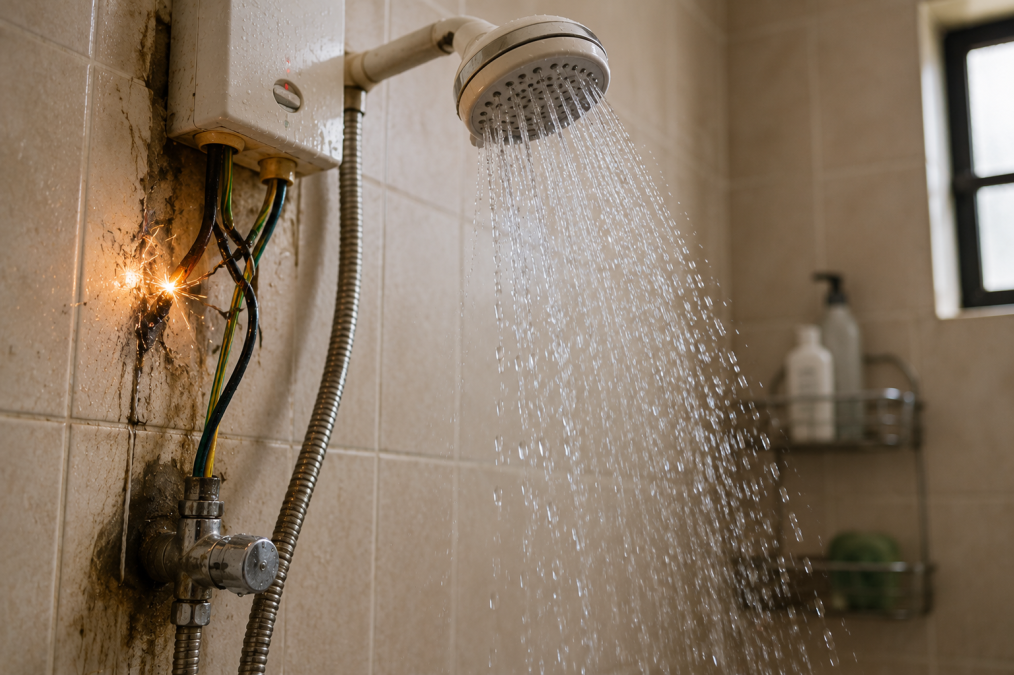
Heating chamber process
As water passes through the heating chamber, it comes into direct contact with the heated element.
The fast-moving water absorbs heat energy almost instantly.
The temperature depends on two main things:
- Water flow rate (slower flow means hotter water)
- Power rating of the heating element (higher wattage produces more heat)
This is why adjusting the shower knob affects how hot or cool the water feels.
Mixing and temperature control
Inside the unit, there is a control system that balances heat and water flow.
When you increase temperature, the system reduces flow slightly to allow more heating time.
When you reduce temperature, water flows faster and heats less.
This balance ensures the water comes out at a safe and stable temperature.
Safety systems
Modern instant showers include safety features. A thermostat or thermal cut-off prevents overheating.
If water becomes too hot or flow stops, the system automatically shuts down to avoid damage or burns.
Some units also have earthing systems to protect users from electrical faults.
Final water output
Once heated, the water exits through the shower outlet and flows through the shower head.
It is already at the desired temperature, so there is no waiting time.
Simple summary of the process
Cold water enters → flow switch activates → electricity heats element → water passes through heating chamber → temperature is controlled → hot water exits shower head.
An instant shower head is therefore a real-time heating system that combines water flow detection, electrical heating, and safety control to deliver warm water only when needed.