How a phone screen display works
By David Nthua, May 3, 2026A smartphone may appear to have a single “screen”, but in reality, it is a layered system made up of different components that perform separate roles.
This distinction is important because many users often confuse the screen with the display, yet they are not the same thing.
The screen is simply the outer surface you touch, while the display is the internal technology that produces images.
At the most basic level, a phone display works by controlling light at the pixel level.
Each image you see is made up of millions of tiny pixels, and each pixel contains red, green and blue sub-pixels.
By adjusting how much light each of these sub-pixels emits or blocks, the phone is able to create all colours and visuals on the screen.
Understanding the layers
A modern smartphone screen is built like a tightly bonded stack of layers. The top layer is the cover glass, which protects the device from scratches and impact.
Beneath it sits the touch digitiser, which detects your finger movements. Below that is the display panel itself, which is responsible for generating images.
These layers are fused together into a single unit, which is why they appear as one piece to the user.
This layered design explains why different types of damage can occur independently.

The glass may crack while the display continues to function normally.
In other cases, the display may fail completely even though the glass looks perfectly intact.
Screen vs display
The difference between a screen and a display is one of the most misunderstood aspects of smartphones.
The screen refers to the outer glass surface, while the display refers to the internal panel that produces visuals.
Because they are separate, a phone can show different faults. A cracked screen does not always mean the display is damaged.
Likewise, a phone can have no visible cracks but still show black spots, lines, or a completely blank image if the display has failed.
In some cases, the touch function may stop working even when the display is still showing images correctly, due to a fault in the digitiser.
How images are produced
There are two main types of displays used in modern smartphones: LCD and OLED, and they produce images in different ways.
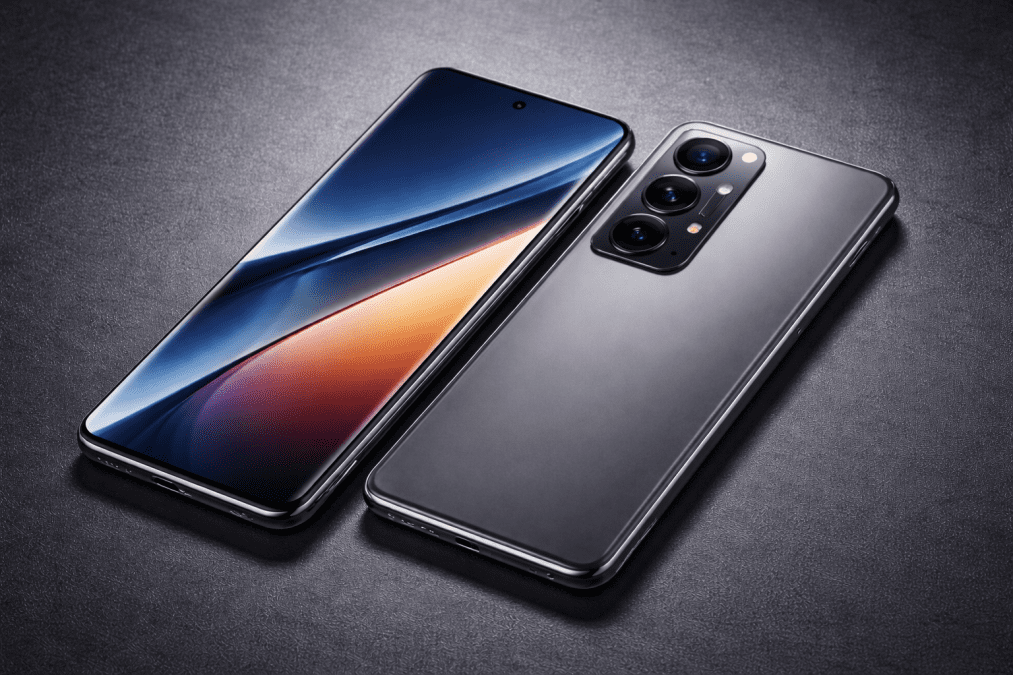
LCD, or Liquid Crystal Display, relies on a backlight. Light from this source passes through liquid crystals and colour filters to form images.
Because the backlight is always on, dark areas may appear slightly grey rather than fully black.
OLED, or Organic Light Emitting Diode, works differently. Each pixel produces its own light when powered.
This allows pixels to switch off completely, creating deeper blacks and higher contrast. It also makes OLED displays more energy-efficient when showing darker content.
How touch works
Touch input is handled by a separate layer known as the digitiser. This layer uses capacitive technology to detect changes in electrical charge when your finger touches the screen.
It does not produce images; it simply detects touch and sends that information to the phone’s processor.
This separation explains why a phone may still respond to touch even when the display is damaged, or display images clearly but fail to respond to touch if the digitiser is faulty.
Why a display can fail without visible damage
One of the most confusing situations for users is when a phone display stops working even though the screen looks fine.
This happens because the display panel sits beneath the glass and can be damaged internally.
Common causes include failure of internal circuits, pixel damage, backlight failure in LCDs, or burnout of OLED components.
Since these issues occur inside the device, they may not show any visible signs on the outer glass.
The takeaway
A phone screen is not a single component but a system made up of multiple layers working together.
The glass protects, the digitiser senses touch, and the display creates the visuals.
Understanding this difference helps explain why some phones continue working with cracked glass, while others fail without any visible damage.
It also clarifies why repair costs vary, as sometimes only the glass needs replacement, while in other cases the entire display module must be changed.