Everyday electrical safety habits every household should practice
By Trizer Lijondo, September 17, 2026Electrical appliances have become part of everyday life, from iron boxes and kettles to televisions, chargers and cooking equipment. While these devices make household tasks easier, careless use can increase the risk of electrical faults, fires and injuries.
Practising simple safety habits can help households reduce avoidable risks. Being mindful of how appliances are used, where they are placed and whether they are switched off can make a significant difference, particularly in busy homes where several electrical devices may be operating at the same time.
Never leave appliances unattended
One of the simplest habits is avoiding leaving electrical appliances switched on when they are not being used. An iron box, for example, should never be left unattended, even for a short period.
If you need to step away while ironing, switch off the appliance first. Once you are finished, turn it off and unplug it where appropriate, allowing it to cool in a safe place before storing it.
The same caution should apply to other heat-producing appliances. Household members should avoid assuming that an appliance will be safe simply because they intend to return shortly.
Switch off after use
Developing a routine of switching off appliances immediately after use can help make electrical safety part of everyday household life.
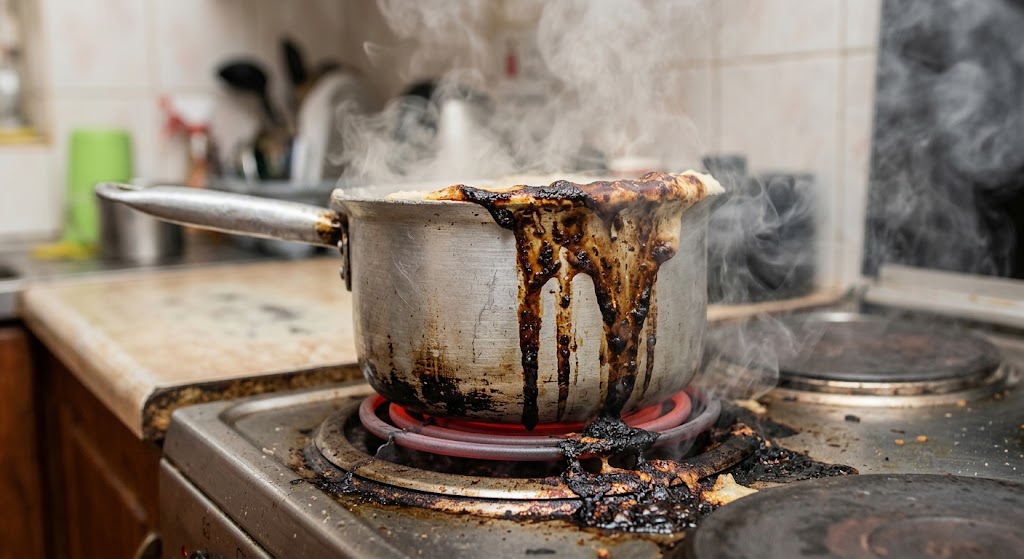
Before leaving a room or going to bed, check whether appliances that do not need to remain powered are switched off. Chargers, cooking appliances, heaters and other equipment should be disconnected where appropriate instead of being left running unnecessarily.
Parents and guardians can also teach children basic electrical safety, including not touching switches, sockets or appliances with wet hands and not playing near electrical outlets.
Do not sacrifice safety for convenience
Convenience can sometimes encourage people to overlook warning signs, such as damaged cables, loose plugs, overheating appliances or unusual smells. Such signs should not be ignored.
Households should avoid using electrical equipment that appears damaged until it has been properly checked or repaired by a qualified professional. Overloading sockets with multiple appliances can also create unnecessary risks.
Electrical safety ultimately depends on small, consistent habits. Taking a few extra seconds to switch off an appliance, unplug equipment where necessary and address faults early can help households create a safer living environment without making everyday routines unnecessarily complicated.