Why men’s high pain tolerance is both an advantage and a health risk
By Dan Kauna, June 4, 2026June is Men’s Mental Health Month, and while conversations tend to centre on depression and emotional expression, there is a quieter crisis hiding in plain sight. One that starts not in the mind but in the body.
Men tolerate pain better than women. Studies using cold pressor tests (where participants submerge their hands in ice water) have repeatedly found that men show higher pain thresholds and endure discomfort for longer.
Research published in the journal Psychosomatic Medicine found that “men had higher pain thresholds and tolerances and lower pain ratings than women,” with one proposed explanation being that “men are more motivated to tolerate and suppress expressions of pain because of the masculine gender role.”
In the gym and on the field, that tolerance is an advantage. It allows men to train harder, recover mentally from injury faster and push through fatigue in ways that translate to athletic and professional results.
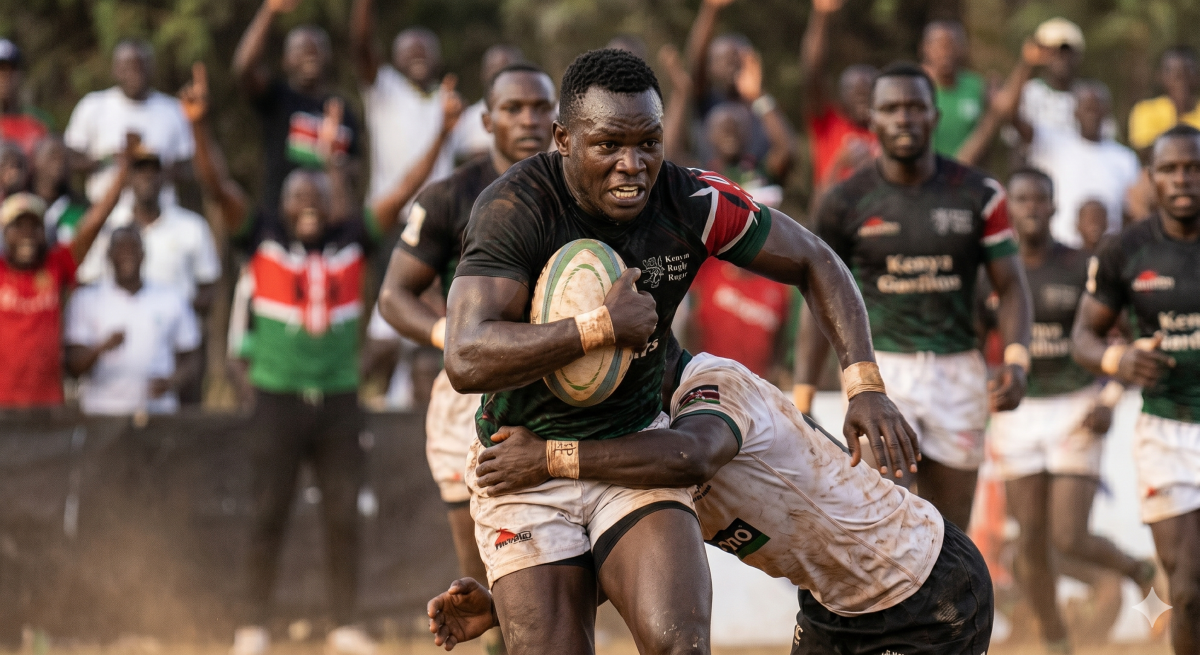
The same capacity to compartmentalise discomfort helps in high-pressure work environments – long hours, physical labour, stressful negotiations.
For a time, the stoicism pays off.
When resilience becomes a liability
The problem is that the body does not distinguish between healthy toughness and dangerous delay. A man who powers through a niggling chest discomfort the same way he powers through a hard leg session is not being tough; he is gambling with his life.
And research shows that men lose this gamble at alarming rates.
Men are up to 50 per cent less likely than women to seek medical attention, and studies consistently show they die earlier, become ill at younger ages and carry higher rates of chronic disease.
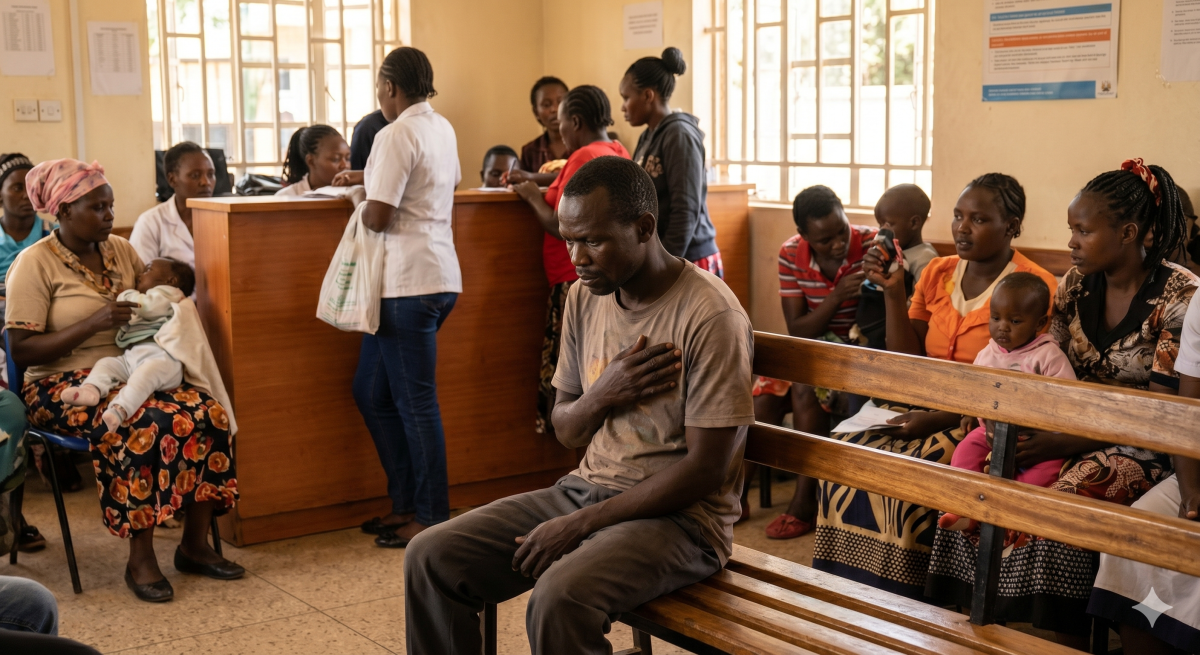
A 2025 review published in the American Journal of Men’s Health, drawing on 47 studies, concluded that traditional masculinity norms significantly deter men from seeking mental health support, with self-reliance and emotional suppression identified as the primary barriers.
The emotional dimension of this is just as dangerous. Men tend to underreport psychological symptoms the same way they underreport physical pain, internalising anxiety and depression rather than naming them.
The average man waits 11 years after the onset of mental health symptoms before seeking treatment. By then, the window for early intervention has long passed.
What to do with this information
Recognising the tension does not mean abandoning resilience, rather, it means directing it more wisely. Booking a health screening is not weakness.
Telling your doctor exactly what you are feeling, rather than the softened version, takes more courage than silence.
The men who live longest are not the ones who felt no pain. They are the ones who took it seriously.