Tattoo removal: Why erasing ink is harder than getting it
By Dan Kauna, August 27, 2026Getting a tattoo takes a few hours, but removing one can take over a year. The difference comes down to biology and how our bodies handle foreign materials trapped beneath the skin.
When a tattoo needle pierces the skin, it deposits ink into the dermis, which is the deeper layer below the surface. The immune system immediately treats this ink as an invasion.
White blood cells called macrophages rush to the scene to devour the foreign liquid. However, the ink particles are far too large for these tiny cells to swallow or transport.
The macrophages end up trapping the pigment in place instead, making the design permanent.
How lasers break down the barrier
Erasing that artwork requires specialized technology to finish what the immune system started. Modern Q-switched and picosecond lasers fire rapid pulses of light energy into the skin in fractions of a second.
The ink absorbs this light, heats up instantly, and shatters through a shockwave effect.
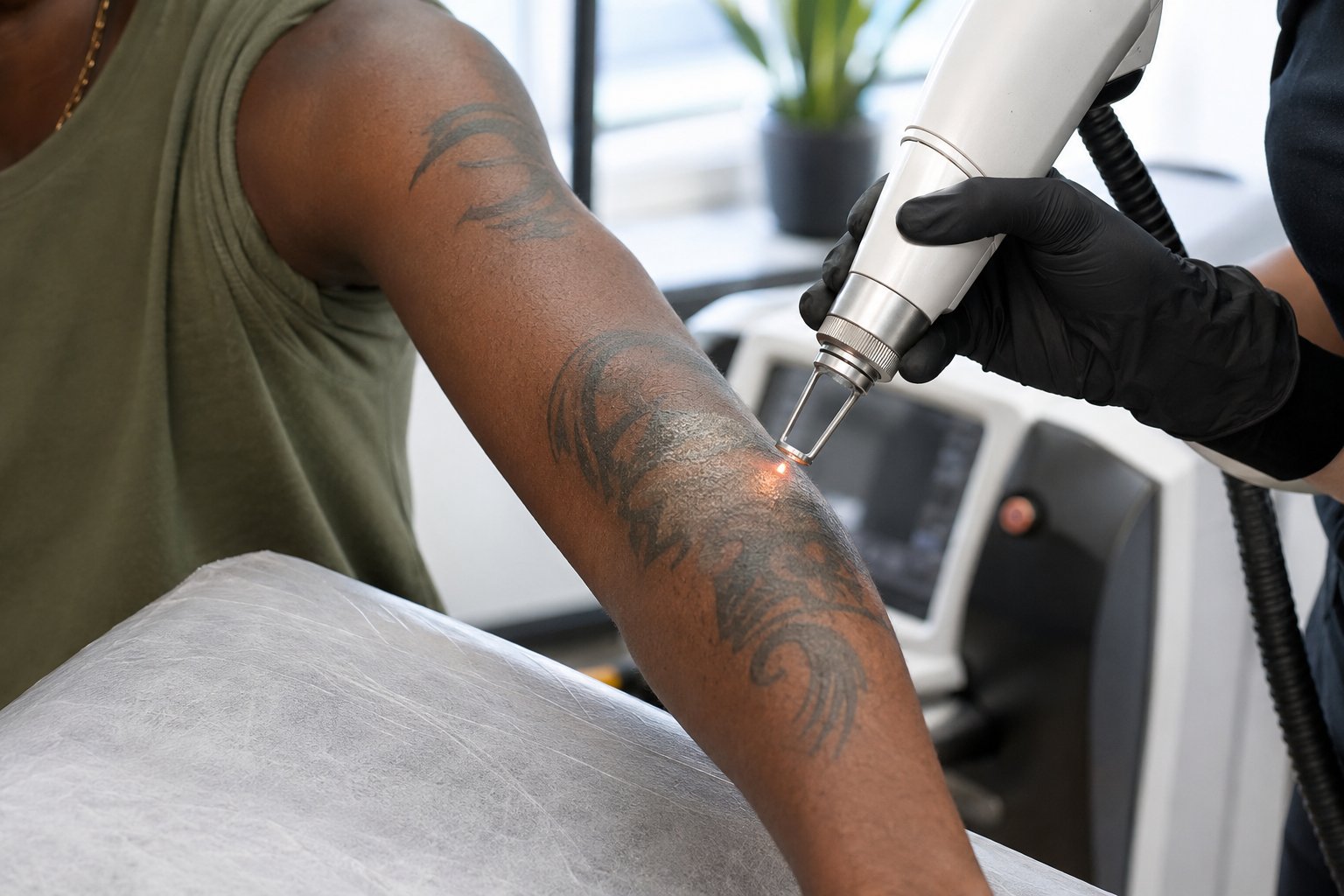
According to a study published in Scientific Reports, “The resulting fragmentation of pigments into smaller fragments allows for their phagocytosis by macrophages and subsequent removal via the lymphatic system.”
Essentially, the laser does not erase the ink directly. It acts like a hammer, smashing heavy boulders into tiny pebbles.
Once the pigment is crushed, the macrophages can finally digest the microscopic bits and carry them off through the bloodstream and lymph nodes to be filtered out naturally.
Why ink colours and timing slow the process
Removing a tattoo is rarely a one-time job. Darker colours like black, deep blue, and dark green absorb light easily across almost all laser wavelengths, making them easier to break down.
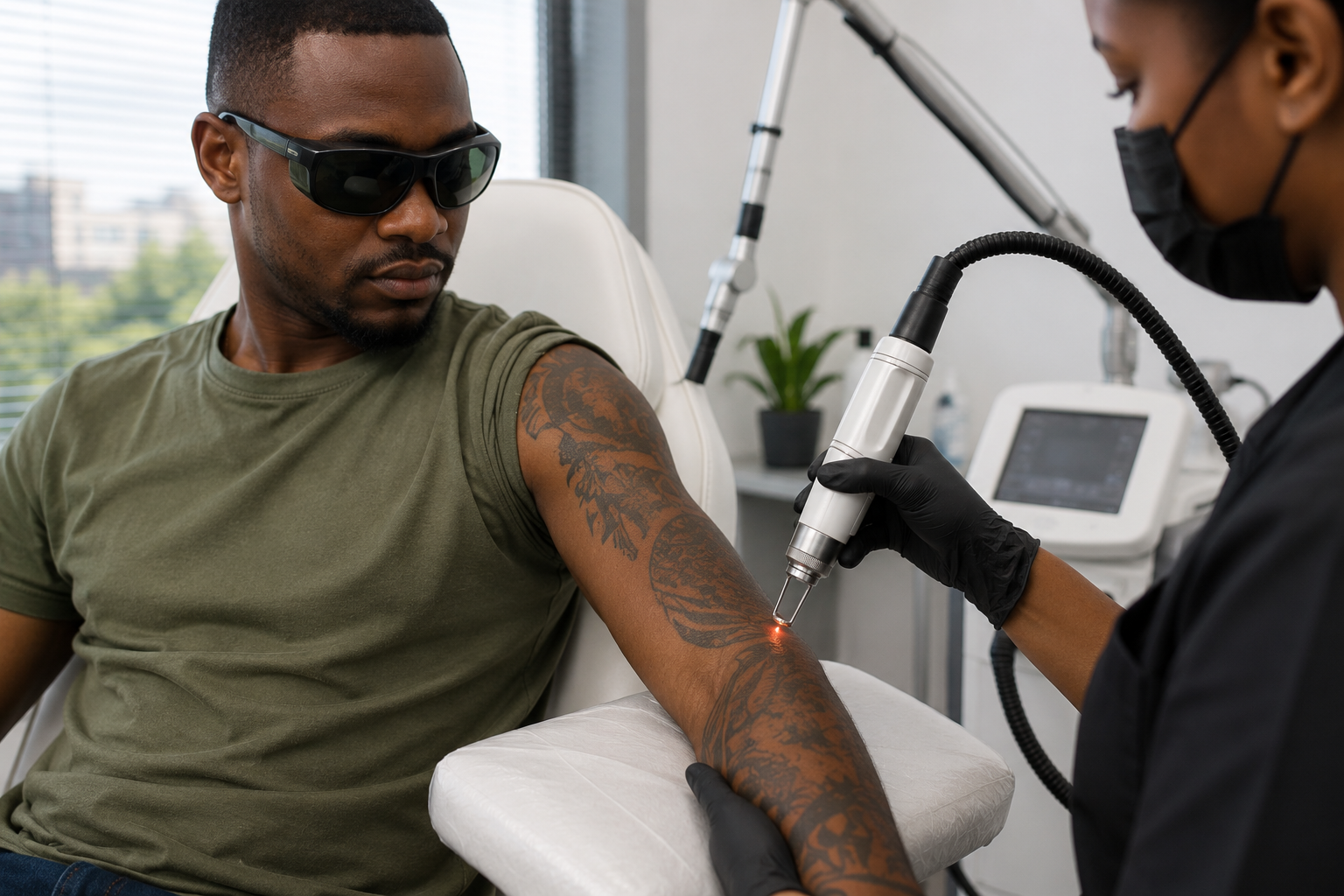
Bright shades like red, yellow, and orange reflect red light and require specific green laser wavelengths to shatter, making them far more stubborn.
Each laser session can only shatter the top layer of pigment. After a treatment, the body needs 6 to 8 weeks to clear away those shattered particles before the laser can reach the deeper layers underneath.
Rushing between sessions does not speed up clearance because the skin must heal, and white blood cells need time to do their heavy lifting.