Safe ways to clean your ears at home without the use of cotton buds
By Katemarthason Okudo, May 25, 2026Many people use cotton buds as part of their daily hygiene routine without thinking twice about it. For years, they have been seen as the easiest way to clean the ears after a shower or before leaving the house.
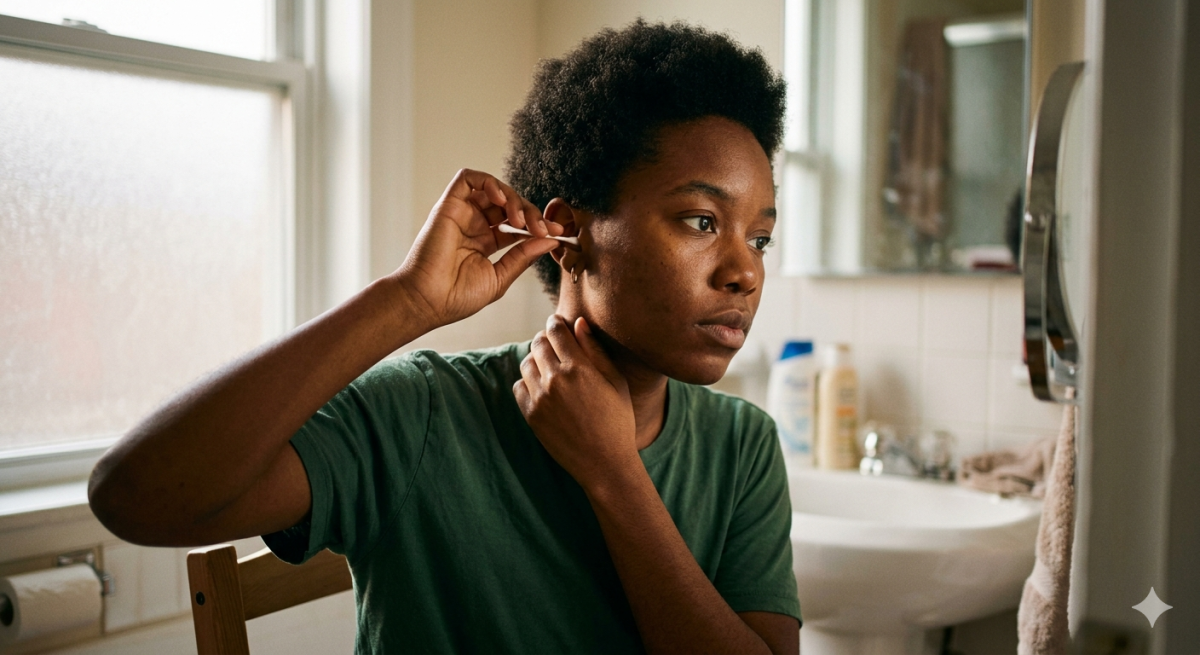
But health experts warn that inserting cotton buds into the ear canal can actually push wax deeper inside, leading to blockage, irritation and even hearing problems.
Earwax, also known as cerumen, is not dirt. It is a natural substance produced by the body to protect the ears from dust, bacteria and infections. In most cases, the ear cleans itself naturally through jaw movements such as chewing and talking. This means many people may not need to clean inside their ears at all.
Warm water can help
One of the safest and cheapest ways to clean the ears at home is by using warm water. During a bath, a person can allow a small amount of clean lukewarm water to flow gently into the outer ear before tilting the head to let it drain out. The outside part of the ear can then be wiped using a clean towel or soft cloth.
Health experts advise against using cold or very hot water because it may cause dizziness or discomfort. Sharp objects such as hairpins, matchsticks and pen tops should also never be inserted into the ear.
According to the National Health Service, using cotton buds can push earwax deeper into the ear instead of removing it. This may lead to pain, ringing sounds in the ear or temporary hearing loss.
Natural oils may soften wax
For people struggling with hardened wax, affordable natural oils can help soften the buildup. A few drops of warm olive oil, baby oil or mineral oil placed in the ear while lying on one side may help loosen wax over several days.
After a few minutes, the head can be tilted to allow the oil to drain out naturally. However, this should not be done by someone with an ear infection, ear injury or a perforated eardrum.
Some pharmacies also sell inexpensive ear drops designed to soften earwax safely. Doctors recommend reading instructions carefully before use.
The Mayo Clinic noted that earwax usually falls out on its own and should only be removed if it causes discomfort, hearing difficulty or blockage.
Know when to seek medical help
While home care works for mild wax buildup, there are times when professional medical attention is necessary. Persistent pain, discharge from the ear, dizziness or sudden hearing loss should not be ignored.
Health specialists warn that excessive cleaning may remove the protective layer inside the ear, increasing the risk of infections. In many cases, simply cleaning the outer ear is enough.
For parents, experts also caution against trying to clean deeply inside children’s ears at home. Young children have delicate ear canals that can be injured easily.
Instead of relying on cotton buds, let the ears clean themselves naturally and only use gentle methods when necessary. Safe ear care does not have to be expensive, and in most cases, less cleaning is actually better for ear health.