Advertisement
Man found storing urine in bottles instead of using toilet: 5 conditions linked to waste hoarding
07th July, 2026 02:00 PM
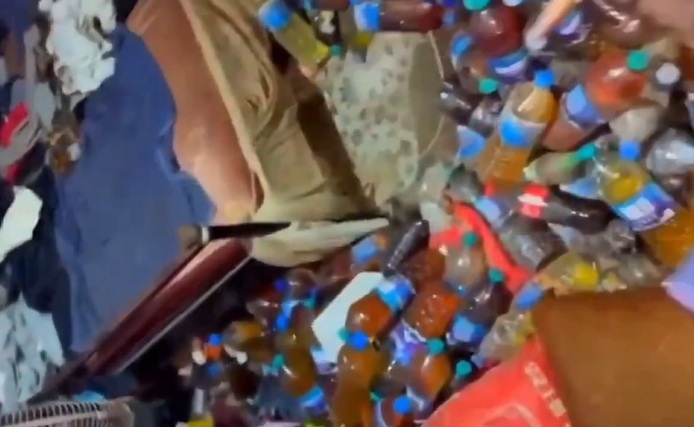
A trending video online showing a man keeping urine in bottles and tins for two years instead of using a toilet has raised concern about the health dangers linked to storing human waste and rubbish inside the home.
Health experts say waste hoarding can create serious risks for the person living in the space and anyone else who enters it. Keeping urine, faeces, rotting food, used containers and rubbish indoors for long periods can expose people to germs, bad air quality, pests and emotional distress.
Waste hoarding happens when rubbish or human waste is allowed to pile up in a living area instead of being safely disposed of. It may be linked to poor access to sanitation, depression, anxiety, hoarding disorder, substance use, disability or social isolation. Whatever the reason, the condition of the home can quickly become unsafe.
The World Health Organization states that poor sanitation and unsafe handling of human waste can spread diseases and expose communities to harmful bacteria, viruses and parasites.
Risk of infections and diarrhoeal diseases
One of the biggest dangers of storing urine and other waste indoors is the spread of infection. Human waste can contain germs that may move from contaminated surfaces to hands, food, water and household items.
When a person touches bottles, tins or containers holding waste and then prepares food without washing their hands properly, germs can easily spread. This can lead to diarrhoea, stomach cramps, vomiting and other digestive illnesses.
The United States Centers for Disease Control and Prevention notes that proper sanitation and handwashing are important in preventing illnesses caused by germs found in human waste. In homes where waste is stored for long periods, basic hygiene becomes harder to maintain.
Breathing problems from poor indoor air
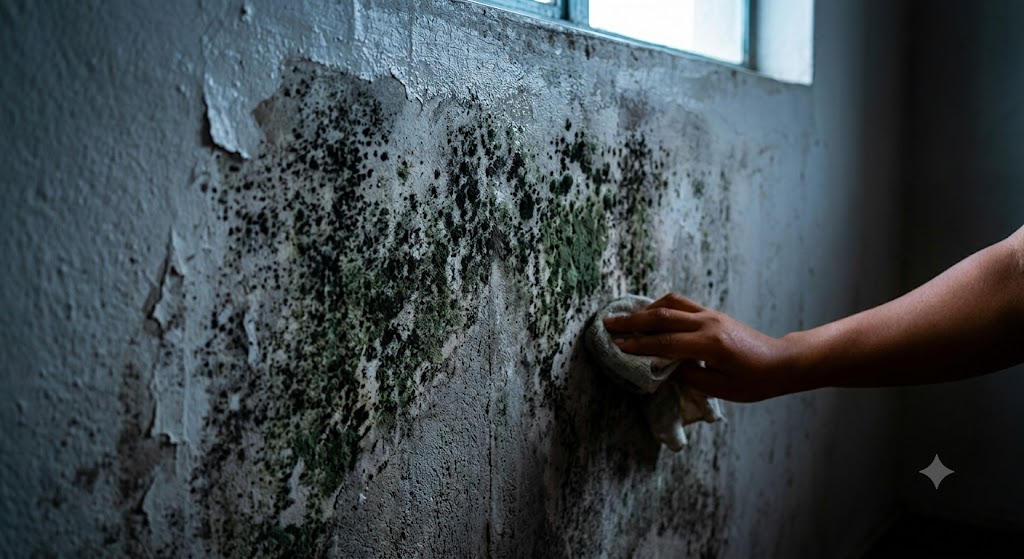
Waste hoarding can also affect the air inside a house. Rotting rubbish, damp materials, urine and mould can produce strong smells and harmful particles. Poor ventilation makes the situation worse, especially in small rooms with closed windows.
People living in such spaces may experience headaches, nausea, coughing, throat irritation and worsening asthma. Mould can grow where there is moisture, including around leaking containers, wet floors and uncleaned surfaces.
The World Health Organization has warned that damp and mouldy indoor spaces can increase the risk of respiratory symptoms, respiratory infections and asthma problems.
Pests and disease-carrying insects
Waste left indoors can attract flies, cockroaches, rats and other pests. These pests can move between waste, food, bedding and cooking areas, carrying germs with them.
Flies can contaminate food, while rodents may spread diseases through urine, droppings and bites. Cockroaches can also trigger allergies and asthma, particularly in children.
A home with accumulated waste may also become difficult to clean properly, allowing pests to breed and hide in cluttered spaces.
Skin infections and wounds
Living around waste can increase the risk of skin irritation, rashes and infections. A person may develop sores from poor hygiene, insect bites or contact with contaminated surfaces.
For people with diabetes, reduced immunity or open wounds, exposure to unhygienic conditions can be especially dangerous. Small cuts can become infected if they come into contact with contaminated waste or dirty water.
The Mayo Clinic advises that poor hygiene and unsafe living conditions can increase the risk of infections, particularly among people with underlying health problems.
Mental health strain and social isolation
Waste hoarding can also take a heavy emotional toll. A person may feel ashamed of their living conditions and avoid visitors, family members or neighbours. This isolation can worsen depression, anxiety and loneliness.

In some cases, the person may know the home is unsafe but feel too overwhelmed to begin cleaning. The task may appear too large, leading to more avoidance and further accumulation of waste.
Unsanitary living conditions can affect both physical health and emotional wellbeing
Family members should approach the situation with care rather than humiliation. Shaming someone may make them hide the problem further. It is safer to encourage a medical or mental health assessment, especially where the behaviour has lasted for months or years.
Cleaning should also be handled carefully. Gloves, masks, proper ventilation and safe disposal are important, particularly where human waste, mould, sharp objects or pests are present. In severe cases, public health officers, cleaners trained in hazardous waste and healthcare professionals may be needed.