How your body makes collagen and the foods that help
By Dan Kauna, July 13, 2026Every single day, without you even noticing, your body is running a beautiful, quiet renewal project right inside your cells. It’s constantly working behind the scenes to keep your skin healthy, your joints moving smoothly, and your body feeling full of life.
The secret behind all this strength is a natural protein called collagen. Your body already knows exactly how to build this protein from scratch using the foods you enjoy at the dinner table.
Here is a simple look at how that natural magic happens, and how you can easily support it from your own kitchen.
The amino acids and the cofactor that make it possible
Your body builds collagen mainly from two amino acids – proline and glycine – stitched together into long chains that fold into a tough, rope-like triple helix.
But that folding does not happen on its own. It needs vitamin C.
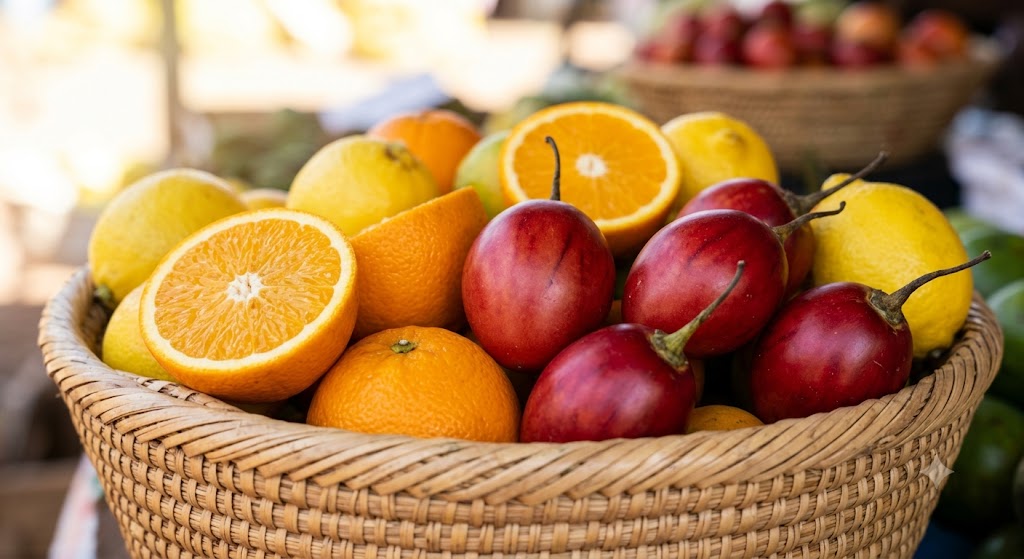
A 2024 study in Dermatology Research and Practice describes vitamin C as “a cofactor required in the synthesis of collagen and the ECM.” The ECM is the extracellular matrix, the scaffolding that holds skin cells in place.
Without enough Vitamin C, the enzymes that stabilise collagen stall, and the chains cannot lock into their final, stable form. This is why scurvy, the classic vitamin C deficiency disease, shows up as wounds that refuse to heal – the body simply cannot finish the job.
Where bone broth and diet actually fit in
This is where bone broth’s reputation earns some credit. It is rich in glycine, one of the two core building blocks, released as the bones and connective tissue break down slowly in the pot.
Pairing that with a good source of vitamin C, oranges, lemons, tree tomatoes, doubles up on both halves of the equation, the raw material and the cofactor that activates it.
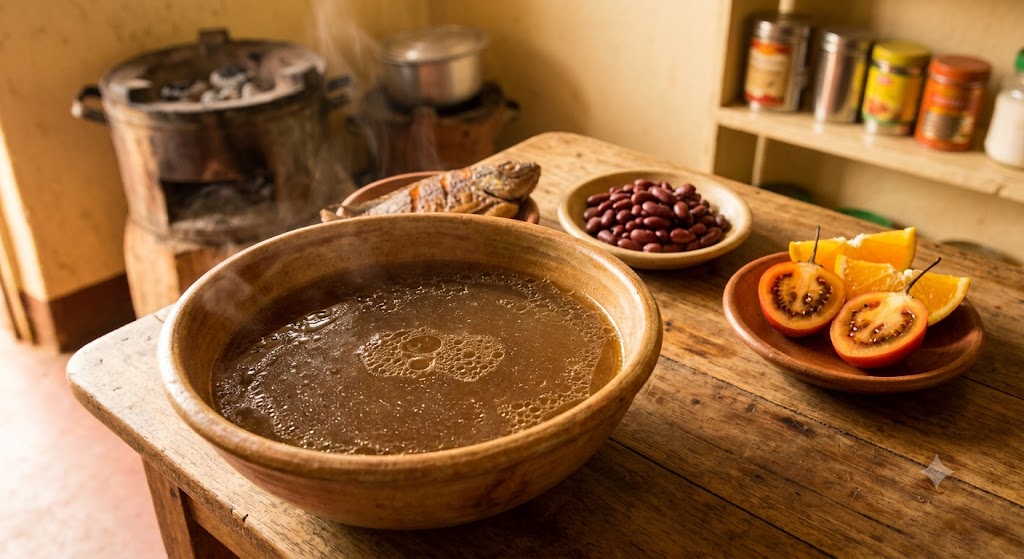
Protein more broadly also matters. Eggs, beans, lentils, fish and lean meat all supply amino acids the body recycles into new collagen, especially as natural production slows with age.
None of this means expensive collagen powders are essential. It works with ordinary Kenyan staples, oranges for vitamin C, beans and fish for protein, bone broth for glycine.