How the female reproductive cycle affects exercise
By Dan Kauna, July 9, 2026Many active women notice that their energy levels fluctuate wildly across the month.
One week a morning run feels effortless, while the next week, the exact same route feels exhausting. This is not a lack of discipline; it is biology. Mainstream fitness content completely overlooks how the menstrual cycle regulates training capacity.
The four distinct phases of the cycle create changing hormonal environments that directly dictate strength, endurance, recovery speed, and even injury risks.
Understanding these natural rhythms allows you to stop fighting your body and start structuring your exercise for the best results.
Maximising strength in the follicular phase
The follicular phase begins on the first day of menstruation and lasts until ovulation. During this initial two-week window, oestrogen levels gradually rise while progesterone remains low.
This specific environment is well suited for high-intensity training, strength building, and explosive power movements. Oestrogen naturally promotes muscle adaptation and aids recovery, meaning the body handles heavy lifting or challenging interval sessions much more efficiently.
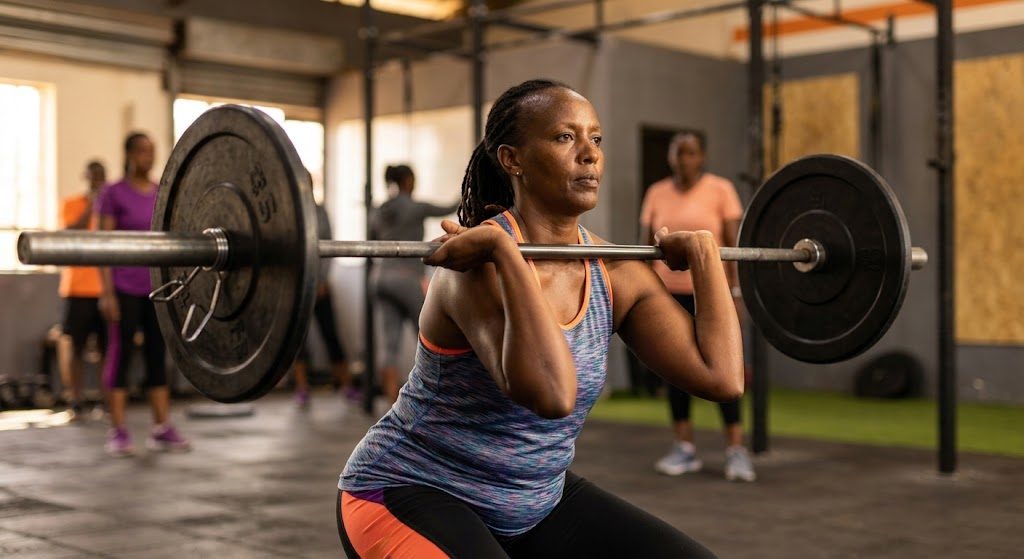
Adapting your workouts to these hormonal shifts yields clear physical benefits.
In a study focused on training periodisation, Janse de Jonge and Thompson noted that “follicular-phase-based training resulted in a greater increase in maximal strength” compared to a regular routine.
Instead of forcing uniform intensity across the entire month, gym-goers can track their cycles and schedule their most demanding weight sessions or high-speed sprints during this initial fortnight.
Balancing endurance and joint safety
After ovulation, the body enters the luteal phase, where progesterone becomes the dominant hormone. Progesterone shifts the body’s metabolic focus toward endurance, making this phase ideal for steady cardio, long-distance runs, or lower-intensity aerobic workouts.
However, this second half of the cycle also introduces crucial structural considerations, particularly concerning joint stability and injury prevention.
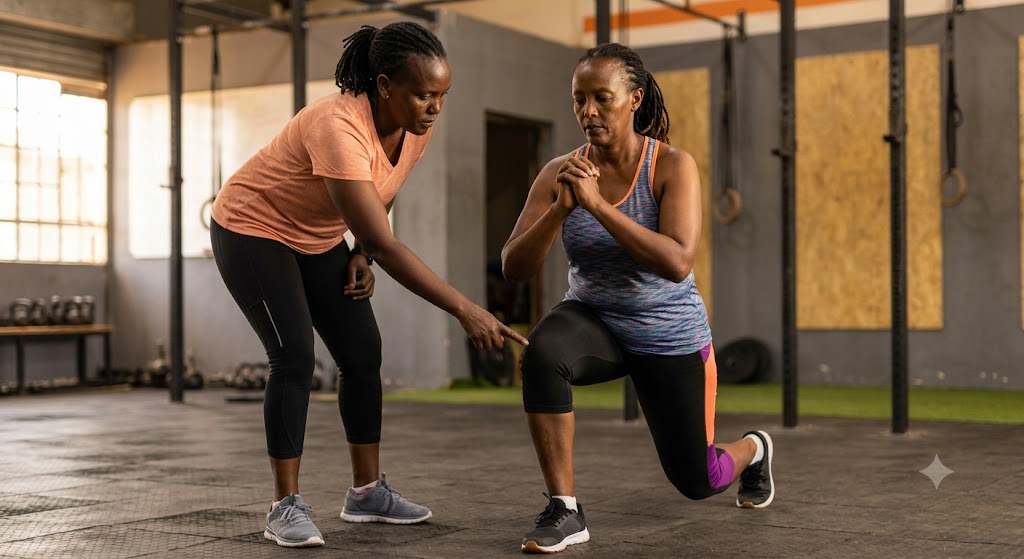
Around ovulation, the combined peaks of oestrogen and relaxin cause temporary ligament laxity, making the joints more flexible but less stable. This physiological shift increases the risk of serious knee injuries, such as an anterior cruciate ligament (ACL) tear.
A 2021 review by Carmichael points out that “the increased concentration of estrogen in certain phases of the MC may reduce stiffness by decreasing collagen synthesis” within connective tissues.
For the everyday woman, these changes are not a reason to avoid exercise. Instead, the data serves as a guide to modify movement choices.
Reducing explosive pivoting or high-impact jumping during ovulation, while focusing on controlled weight training, protects the knees. Adapting exercise to these natural rhythms ensures steady athletic progress without compromising joint safety.