Advertisement
How Njambi Koikai’s death left a void in Kenya’s fight against endometriosis
17th July, 2026 03:13 PM
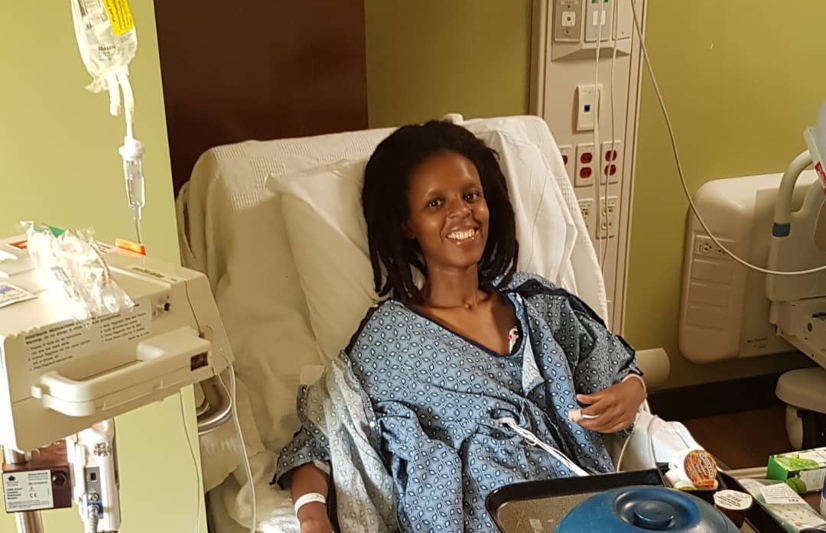
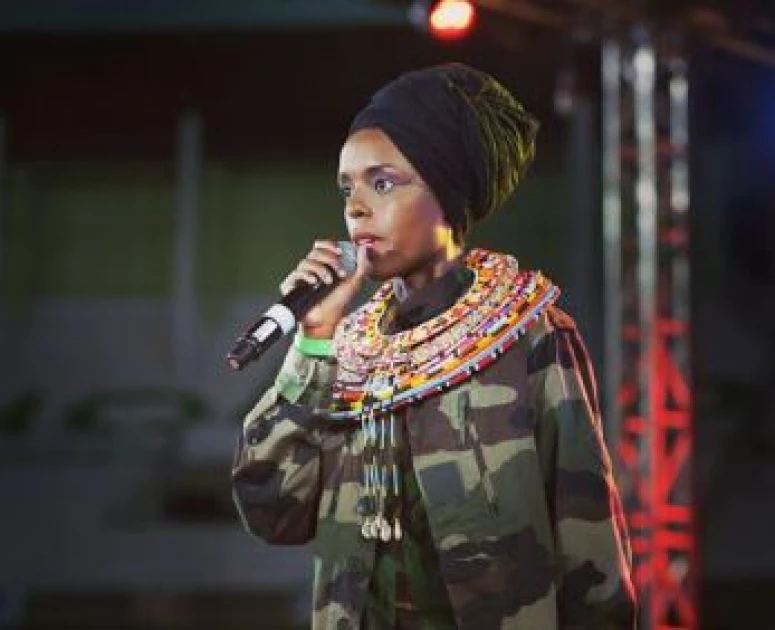
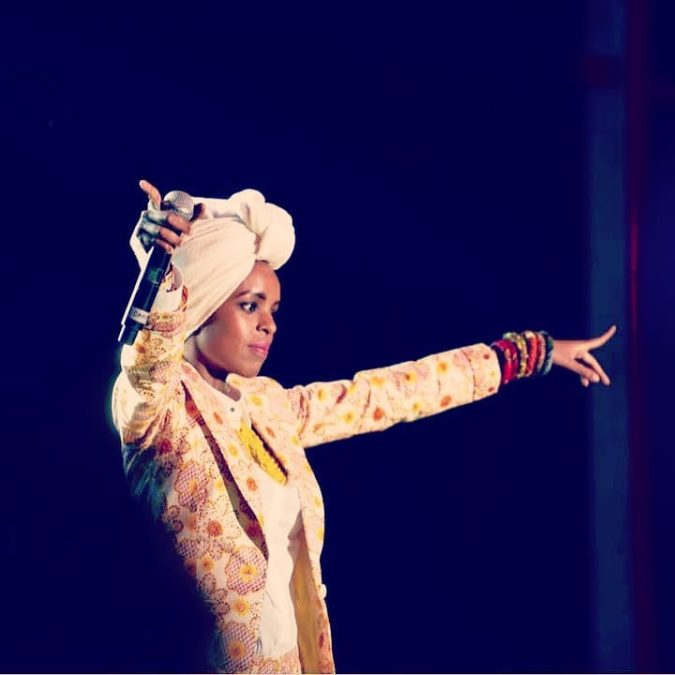
For decades, severe reproductive health anomalies in Kenya were largely swept under the rug, discussed only in hushed tones behind closed doors. But when the vivacious reggae emcee and media personality Njambi ‘Jahmby’ Koikai began documenting her excruciating medical journey, she shattered the silence completely.
Her tragic passing, however, left a massive, heartbreaking void in the country’s medical advocacy landscape.
As thousands of women continue to suffer from the devastating effects of endometriosis, the absence of Kenya’s loudest, most fiercely unapologetic voice is being felt more acutely than ever.
Before Njambi went public with her multi-year ordeal, the vast majority of Kenyans had never even heard the word ‘endometriosis’.
They did not understand the biological nightmare of uterine-like tissue spreading to external organs, causing internal bleeding, scarring, and organ damage.
Through sheer willpower, raw hospital photos, and relentless media campaigns, Njambi humanized the illness, forcing television networks, lawmakers, and ordinary citizens to finally acknowledge the crisis.
Njambi’s battle began when she was just a 13-year-old girl experiencing her very first menstrual cycle.
What was supposed to be a normal biological milestone immediately manifested as a debilitating nightmare.
She suffered from abnormally heavy bleeding and agonizing pain that routinely forced her to miss school, leave classrooms, and collapse at home.
For years, her cries for help were dismissed by a society that often normalised severe menstrual pain, with many attributing her symptoms to simple cramps or behavioural exaggerations.
It took nearly two decades of localised misdiagnoses, emergency room visits, and immense physical suffering before she finally received a definitive diagnosis of advanced endometriosis.
By the time specialists identified the root cause, the disease had progressed to an extreme, life-threatening stage known as thoracic endometriosis.
The endometrial tissue had migrated far beyond her pelvic cavity, attaching itself to her diaphragm and lungs.
This caused her lungs to collapse every single month during her period, a terrifying phenomenon that required regular emergency chest tube insertions to keep her alive.
Determined to survive, Njambi launched a massive public fundraising campaign to seek highly specialized treatment abroad.
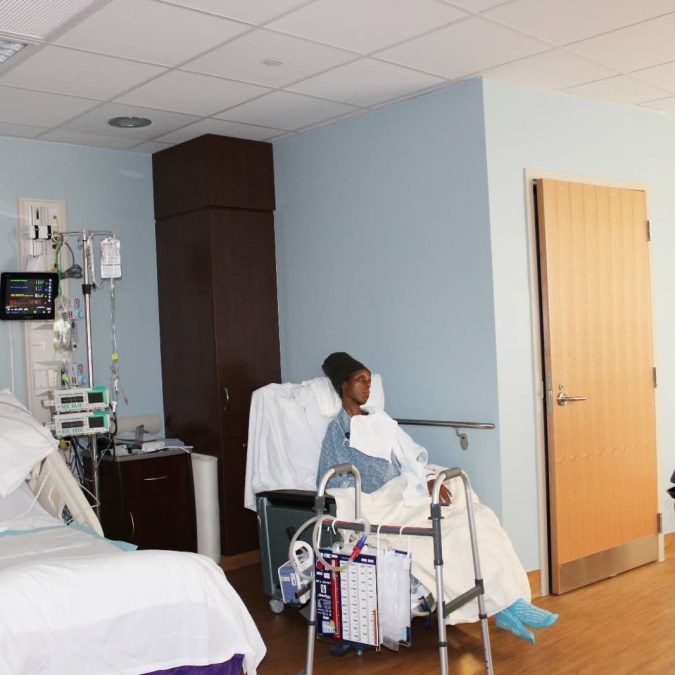
She underwent a grueling series of 21 surgeries, which included traveling to the United States for advanced multidisciplinary excision surgeries to remove the extensive lesions from her thoracic and pelvic cavities.
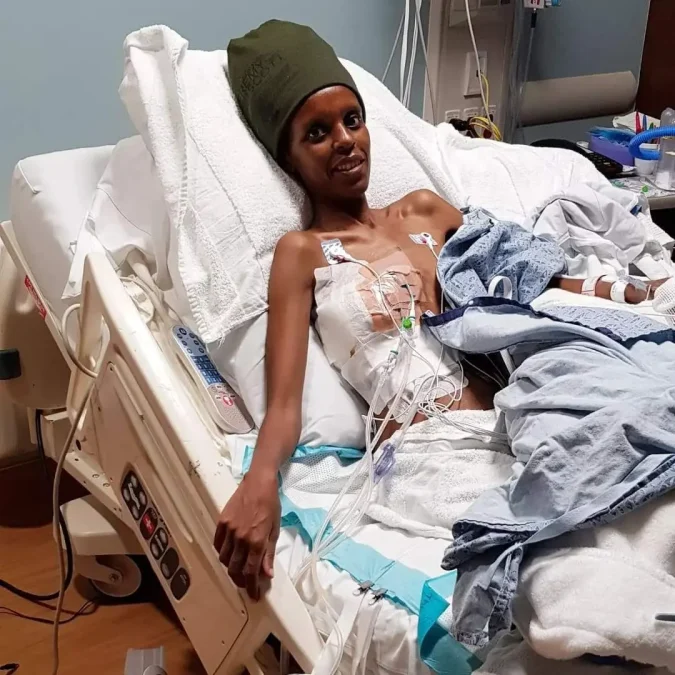
Throughout her recovery, she remained entirely transparent with her followers, sharing graphic details of her surgical scars, the financial strain of chronic illness, and the intense mental toll of fighting a disease with no known cure.
Njambi did not just share her story for sympathy; she weaponised her platform to demand institutional change.
She transitioned from a popular media entertainer into a fierce policy advocate, directly addressing healthcare boards and political leaders about the lack of affordable diagnostic tools and specialised gynaecologists in Kenya.
Her efforts transformed a private medical struggle into a widespread public health conversation.
Tragically, after fighting the condition with unmatched resilience for over twenty years, Njambi’s battle came to an end.
She passed away on June 3, 2024, at The Nairobi Hospital, after being admitted to the intensive care unit following a severe health relapse.
Her death sent shockwaves through the nation, triggering an outpouring of national grief that united politicians, musicians, and millions of ordinary fans who had tracked her heroic journey.
The illness that Njambi dedicated her life to fighting remains one of the most widespread yet severely underdiagnosed medical conditions on Earth.
Literature from the World Health Organisation (WHO) classifies endometriosis as a complex, chronic disease that affects women globally from the onset of their very first menstrual period right through to menopause.
According to WHO, endometriosis affects an estimated 10% (190 million) of reproductive-age women worldwide.
The WHO emphasises that the condition strikes indiscriminately, regardless of ethnic origin, geographic location, or economic social status.
According to WHO, endometriosis can also affect transgender men and non-binary individuals who menstruate.
In women with endometriosis, endometrium-like tissue (usually found only in the lining of the uterus) grows outside the uterus, causing inflammation and scar tissue formation.
There is currently no known cure, but endometriosis symptoms can be treated with medicines or, in some women, surgery.
“Endometriosis is a chronic disease and symptoms include: severe pain during menstruation; heavy menstrual bleeding; chronic pelvic pain (pain that does not go away when the menstrual cycle ends); infertility; and abdominal bloating and nausea,” WHO report stated.
In the wake of Njambi’s passing, a handful of brave Kenyan celebrities have stepped forward to keep the conversation alive by sharing their own deeply personal struggles with reproductive health.
Prominent media figure Janet Mbugua recently made headlines by opening up about her worsening cycle pain in her 40s and her ongoing journey with endometriosis.
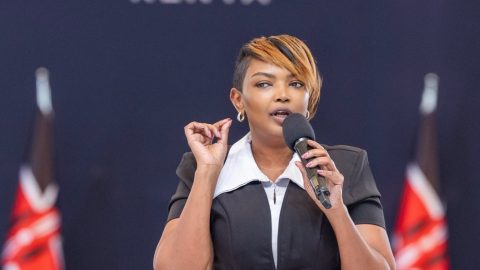
Similarly, content creators and public figures like Natalie Githinji, Ciru Muriuki, Corazon Kwamboka, and Senjee Comedy have utilized their respective digital platforms to pull back the curtain on their own endo fights, normalising discussions around pelvic pain, laparoscopies, and hormonal therapies.
Yet, despite the vital awareness raised by these figures, the institutional grit and relentless grassroots organizing that defined Njambi Koikai’s activism remain unmatched.
Today’s public figures provide vital solidarity and comfort to their audiences, but none have duplicated the specific structural pressure that Njambi placed on the country’s healthcare system.
She didn’t just want women to feel seen; she wanted the government to build specialised treatment centres so that young girls in rural areas wouldn’t have to suffer for 20 without a diagnosis.
The torch she lit continues to burn through those who speak out, but the fight against endometriosis in East Africa is profoundly missing its fiercest general.