Homa Bay to Turkana: Why mosquitoes are thriving in unexpected parts of Kenya
By Valerian Khakayi, August 20, 2026Mosquitoes are increasingly being found in parts of Kenya where they were previously less common, with climate change, warmer temperatures and environmental changes creating favourable conditions for the insects to thrive.
Speaking during an interview with a local station on Thursday, August 20, 2026, Dr Hellen Barsosio said mosquito activity has traditionally been associated with Kenya’s lake endemic regions, including parts of western Kenya, but the pattern is changing.
She noted that mosquito activity was previously also common in the coastal region, but malaria control efforts have had a significant impact there.
“In lake endemic areas we see a lot of that, western Kenya in Bungoma, Busia, Vihiga, Siaya, Kisumu , Homa Bay in the Coast we used to see it but Malaria contol effects have been quite good there, and surprisingly, we are seeing a lot of it in Turkana,” Barsosio said.
How the environment is changing
According to Barsosio, changes in the environment are contributing to the shifting mosquito patterns, with part of the change linked to climate change and warmer conditions.
She explained that human activities such as irrigation can also alter the environment and create conditions that are favourable for mosquito breeding.
“The environment has changed; part of it can be attributed to climate change and warmer spaces, and they are also doing quite a bit in the environment with irrigation and others, which alters the environment and creates a good place for mosquitos to thrive,” she explained.
Mosquitoes require suitable temperatures and water to breed, meaning changes in rainfall, temperatures and water availability can influence where they survive and reproduce.
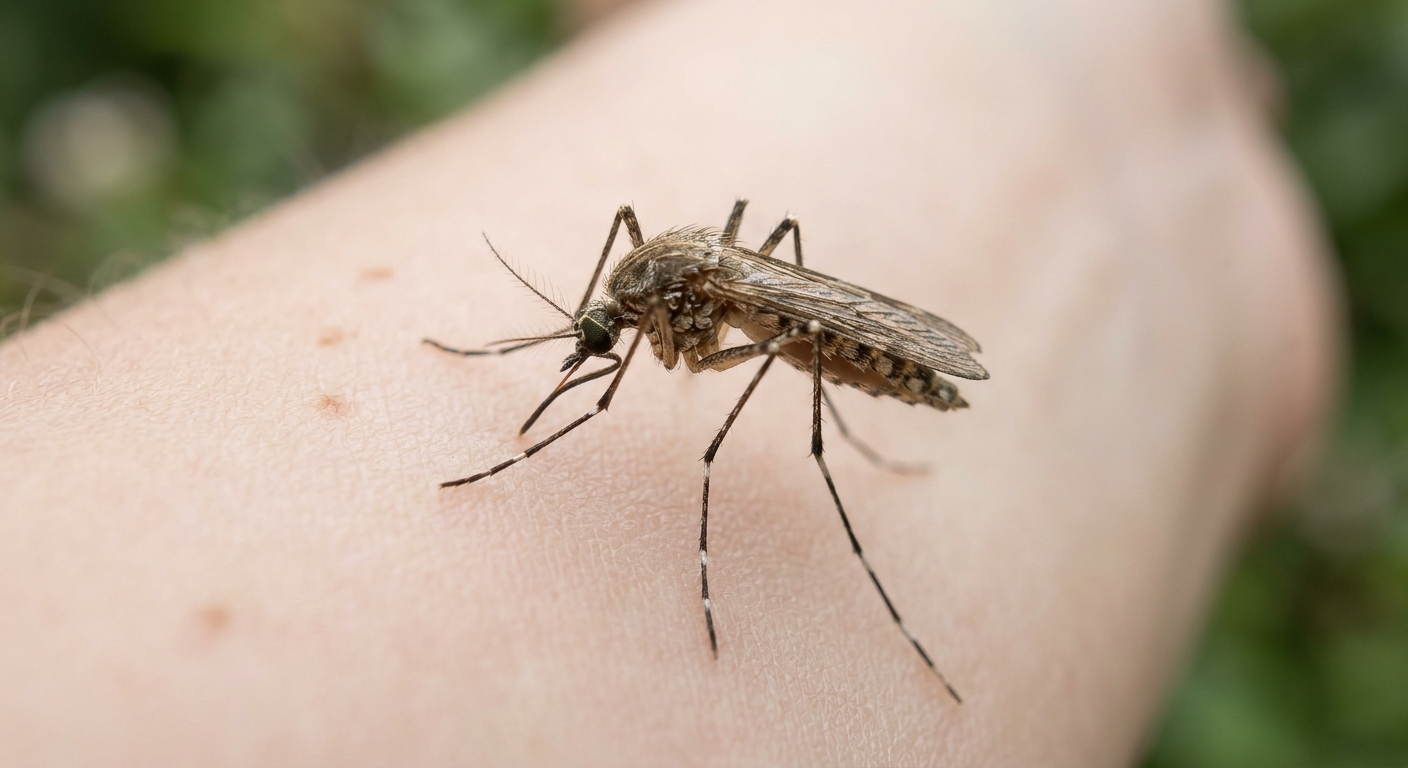
Mosquitoes moving into urban areas
Barsosio said recent data from the Kenya Medical Research Institute (KEMRI) and other sources is showing that mosquitoes are also thriving in areas where they were not traditionally expected.
She described mosquitoes as resilient insects that thrive in warm environments and require water for breeding.
“We usually consider mosquitoes the most dangerous animal on the planet. I know it is an insect, but we call it the most dangerous animal,” she stated.
“It is a resilient beast; it likes warm places and water to breed. That is what we used to know in rural areas, but most recently, as data is coming out of KeMRI and others, we are discovering that the mosquito is thriving in places we never thought of.”
More than just malaria
The changing mosquito patterns are also a public health concern because mosquitoes can transmit several diseases.
Barsosio said different mosquito species are becoming more resilient and can carry pathogens beyond those responsible for malaria.
“It is coming to urban areas; there are different types of mosquito species, and they are becoming more resilient. They are quite irritating, and they are carrying more than one bug, beyond the malaria itself. We are also seeing other viruses, chikukunya, dengue, Zika and others,” Barsosio added.
The emergence of mosquitoes in unexpected areas means that mosquito-borne diseases can no longer be viewed solely as a concern for traditionally endemic regions.