Health effects of taking ice baths
By Katemarthason Okudo, July 1, 2026The sight of people lowering themselves into tubs filled with ice-cold water has become increasingly common on social media, in gyms and even wellness centres. From athletes looking to recover after intense training sessions to individuals hoping to improve their mental resilience, ice baths have gained a reputation as a simple way to boost health.
According to the Mayo Clinic, ice baths, also known as cold-water immersion, involve sitting in water cooled to between 10 and 15 degrees Celsius for a short period, usually between five and 15 minutes. While the practice has been used by athletes for years, health experts say its benefits and risks depend on why it is being used and the person’s overall health.
How ice baths help the body
One commonly discussed benefit of ice baths is muscle recovery. Cold water helps narrow blood vessels and reduce blood flow to muscles immediately after strenuous exercise. This may help ease soreness, swelling and inflammation following high-intensity workouts. Once the body warms up again, blood circulation increases, helping deliver oxygen and nutrients to recovering muscles.
Ice baths may help reduce delayed onset muscle soreness after intense exercise, but they are not a cure-all and should be used appropriately.
Can ice baths improve mental wellbeing?
Beyond physical recovery, interest in ice baths has expanded because of claims that they improve mental wellbeing. According to the Cleveland Clinic, sudden exposure to cold water activates the body’s stress response, causing the release of hormones such as adrenaline and noradrenaline.
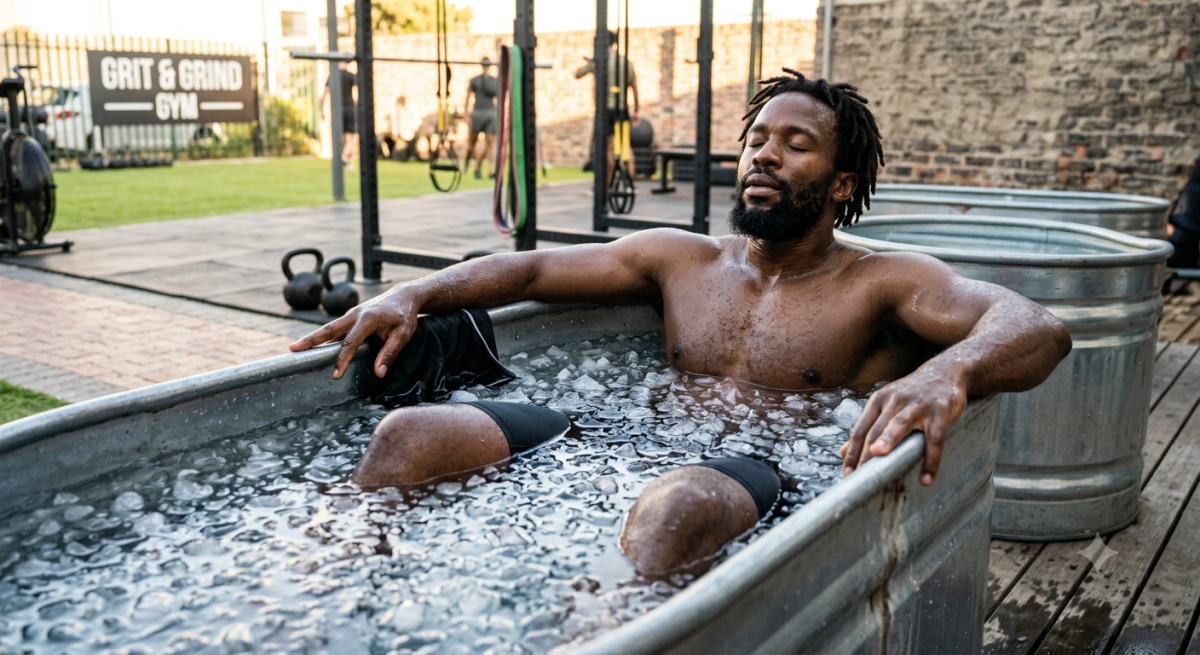
Some people report feeling more alert, energised and refreshed afterwards. Researchers suggest that repeated exposure may also help some individuals build tolerance to physical discomfort, although evidence on long-term mental health benefits is still developing.
The effect on blood circulation
Supporters of cold-water immersion also believe it may improve circulation. As the body responds to cold temperatures, blood vessels tighten before widening again once the body warms up. This natural response may temporarily stimulate blood flow, but there is currently limited evidence that routine ice baths significantly improve long-term cardiovascular health in otherwise healthy people.
Understanding the risks
Despite growing popularity, health experts caution that ice baths are not suitable for everyone. According to the Centers for Disease Control and Prevention (CDC), sudden exposure to very cold water can trigger what is known as the “cold shock response.” This can cause rapid breathing, an increased heart rate and a sudden rise in blood pressure. For people with heart disease, uncontrolled high blood pressure or other cardiovascular conditions, these changes may increase the risk of serious complications.
Cold exposure may also lead to numbness, reduced coordination and, if prolonged, hypothermia. Staying in extremely cold water for too long can lower the body’s core temperature to dangerous levels, making it important to limit exposure and warm up gradually afterwards.
Separating facts from the hype
The growing popularity of ice baths has also fuelled several misconceptions. Social media posts often suggest that regular cold-water immersion can dramatically boost immunity, burn large amounts of fat or treat depression. However, current scientific evidence does not support these claims. While ongoing studies continue to explore the effects of cold exposure, experts say more research is needed before such benefits can be confirmed.
Health professionals also point out that using ice baths after every strength-training session may not always be beneficial. Some research suggests that frequent cold exposure immediately after resistance exercise could reduce the body’s natural muscle-building response by limiting inflammation, which plays a role in muscle adaptation. For this reason, athletes may choose to use ice baths selectively rather than after every workout.
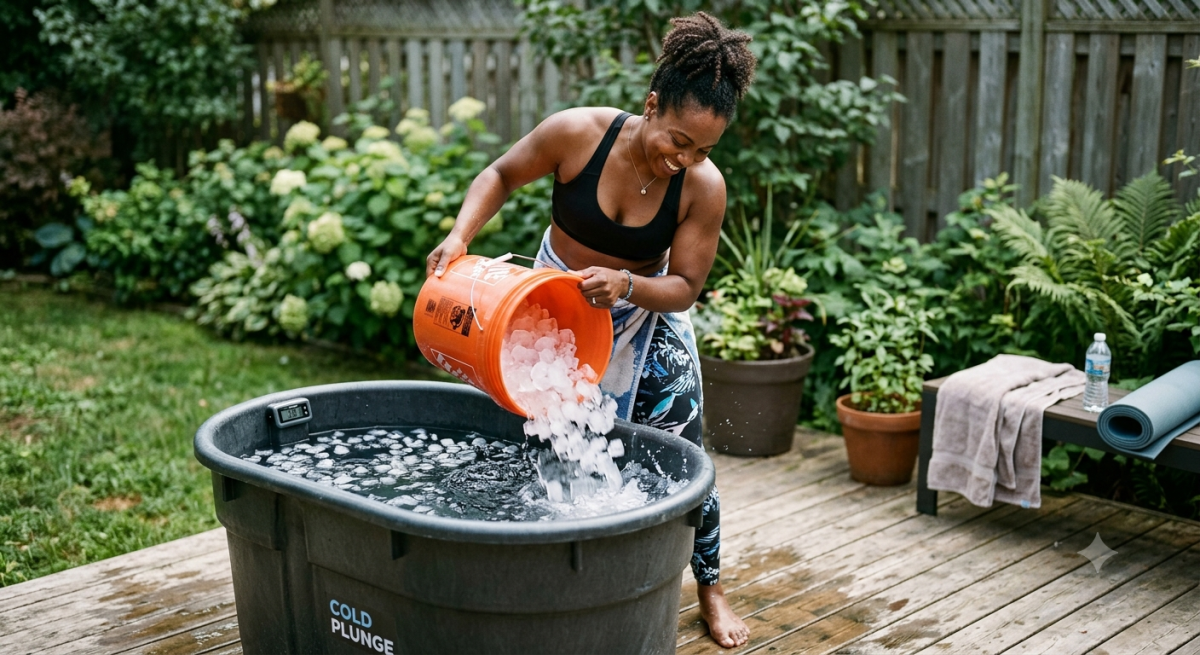
Should you try an ice bath?
For those interested in trying an ice bath, experts recommend starting slowly, avoiding water that is excessively cold and limiting sessions to a few minutes, especially for beginners. Individuals with heart conditions, circulation problems or other chronic illnesses are advised to seek medical advice before attempting cold-water immersion.
As the conversation around wellness continues to evolve, ice baths remain an area of growing scientific interest. They may offer genuine benefits for muscle recovery and temporary feelings of alertness, but they are not a shortcut to better health. Like many wellness trends, the greatest value lies in understanding both the potential benefits and the limitations. Used carefully and for the right reasons, ice baths can be one tool among many in supporting overall health rather than a miracle solution.