Common habits that may be hurting your hairline
By Paulette Mboga, July 10, 2026A healthy hairline is something many people want to maintain, but everyday habits can sometimes do more harm than good.
While genetics play a major role in hair loss, certain routines may put extra stress on your hair and scalp, increasing the risk of breakage or thinning around the edges. The good news is that many of these habits can be changed. By making a few simple adjustments, you may help protect your hairline and keep your hair looking healthier for longer.
1. Wearing tight hairstyles too often
Braids, cornrows, ponytails, buns, and weaves can look great, but wearing them too tightly and too often may put constant tension on your hairline. Over time, this repeated pulling can weaken the hair follicles and lead to thinning around the forehead and temples.
If you enjoy protective hairstyles, make sure they are not painfully tight. Give your hair regular breaks between styles and avoid keeping the same hairstyle in for longer than recommended. A style should protect your hair, not cause discomfort or headaches.
2. Using too much heat
Hair dryers, straighteners and curling irons can damage your hair when used frequently or at very high temperatures. Heat removes moisture from the hair, making it dry, brittle and more likely to break. Although heat may not directly cause a receding hairline, it can weaken the hairs around your edges.
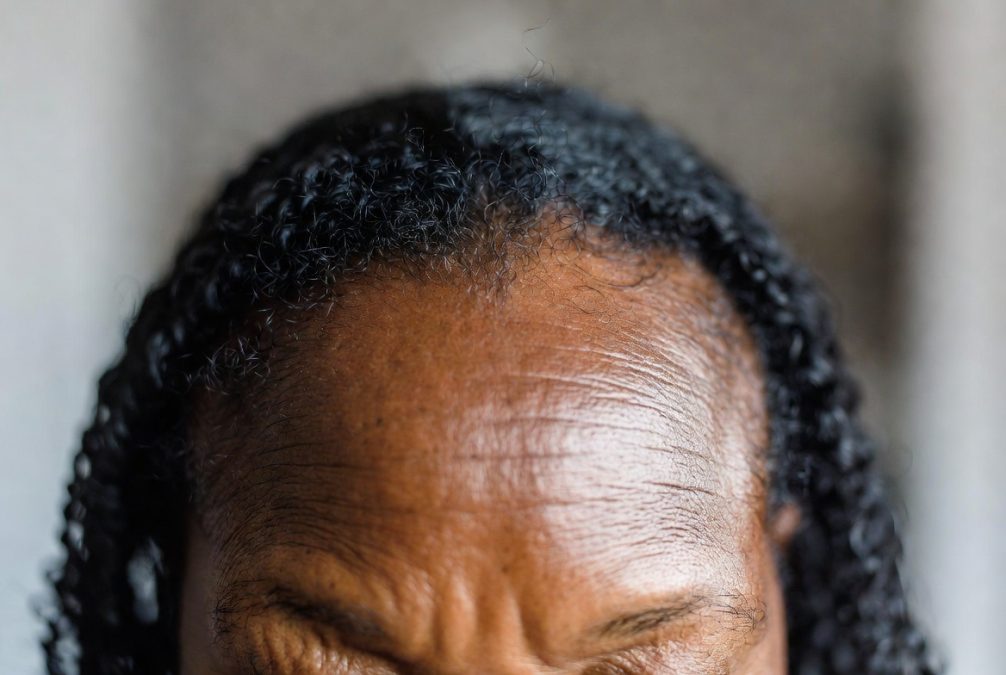
Whenever possible, allow your hair to air-dry. If you use heated styling tools, apply a heat protectant first and choose the lowest effective temperature. Limiting heat styling can help your hair stay stronger over time.
3. Skipping a healthy diet
Your hair needs nutrients to grow and stay healthy. A diet that lacks enough protein, iron, zinc and essential vitamins may affect hair growth and contribute to increased shedding. Crash diets and rapid weight loss can also place stress on the body, which may temporarily affect your hair.
Eating a balanced diet with fruits, vegetables, lean proteins, whole grains and healthy fats supports overall health, including your hair. Drinking enough water also helps keep your scalp and hair hydrated.
4. Handling your hair too roughly
Brushing wet hair aggressively, rubbing it hard with a towel or constantly scratching your scalp can lead to unnecessary breakage. Wet hair is especially delicate and should be handled with care.
Instead of rubbing your hair dry, gently pat it with a soft towel or use a cotton T-shirt. Use a wide-tooth comb to detangle from the ends upwards, reducing the chances of pulling out healthy strands.
5. Ignoring early signs of hair loss
Many people wait until they notice major thinning before taking action. However, paying attention to early changes, such as increased shedding, a widening part or thinning edges, can help you respond sooner.
If you notice ongoing hair loss or sudden changes to your hairline, consider speaking with a qualified healthcare professional or dermatologist. Early advice may help identify the cause and guide appropriate treatment if needed.
Your hairline is affected by both genetics and the way you care for your hair every day. While you cannot control every factor, avoiding unnecessary tension, reducing heat damage, eating a balanced diet, handling your hair gently, and responding to early signs of hair loss can all support healthier hair. Small, consistent habits often make the biggest difference in protecting your hairline over time.