Blood donation: What every donor should know before giving blood
By Katemarthason Okudo, June 12, 2026Blood donation is the voluntary process of giving blood so it can be used for transfusions or made into medicines. Blood is usually separated into components such as red cells, plasma and platelets, each used for different medical needs. It is a vital part of healthcare systems, especially in emergencies, surgery, childbirth complications and treatment of chronic illnesses.
According to the World Health Organisation (WHO), blood donation is a key pillar in achieving universal health coverage because it ensures patients get life-saving care when needed. One donation can help save multiple lives, depending on how the blood is processed and used.
Why people donate blood
People donate blood for many reasons, including helping accident victims, patients undergoing surgery, mothers with complications during delivery and individuals suffering from conditions like anaemia, cancer or kidney disease.
Blood cannot be manufactured, so hospitals rely heavily on voluntary donors. According to the Kenya National Blood Transfusion Service (KNBTS), regular voluntary donation is the safest way to maintain a stable blood supply in hospitals. This helps reduce shortages, especially during emergencies and national health crises.
Who can donate blood
Generally, healthy adults between 18 and 65 years, weighing at least 50kg, are eligible to donate blood. Donors must be free from infections such as HIV, hepatitis, or malaria at the time of donation. People with chronic illnesses like uncontrolled diabetes, severe heart disease, or active infections are usually advised not to donate.
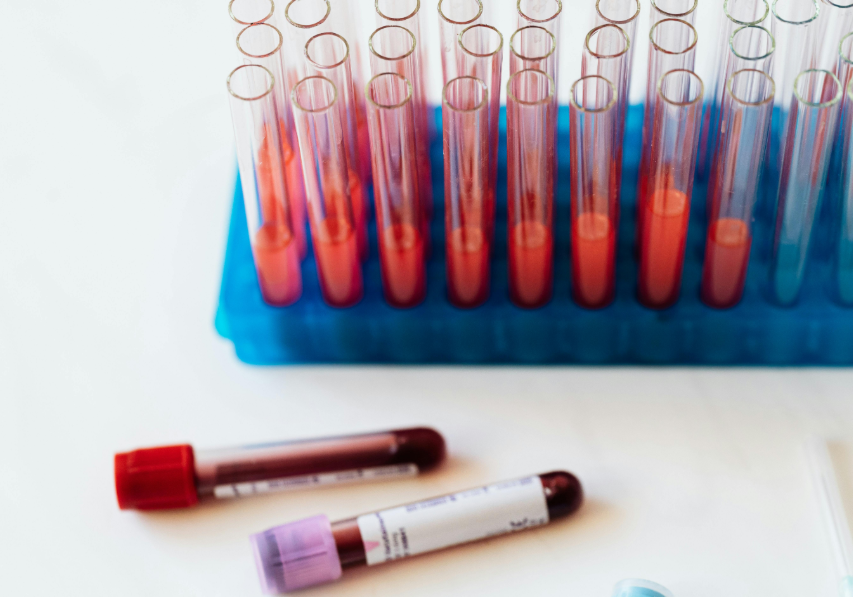
According to the International Federation of Red Cross and Red Crescent Societies (IFRC), proper screening is essential to protect both the donor and the recipient. Those who recover from minor illnesses may donate after a waiting period, depending on medical assessment.
Health risks and side effects
Blood donation is generally safe, but some people may experience mild side effects such as dizziness, fatigue, or light-headedness. In rare cases, fainting or bruising at the needle site may occur. These effects are usually temporary and resolve quickly with rest, hydration, and proper post-donation care. Serious complications are very rare when donation procedures are correctly followed.
What to do before donating blood
Before donating blood, individuals are advised to eat a balanced meal and drink plenty of water. Avoiding alcohol and heavy exercise before donation helps maintain stable blood pressure.Proper hydration and rest significantly reduce the chances of dizziness during or after donation.
What happens during a donation
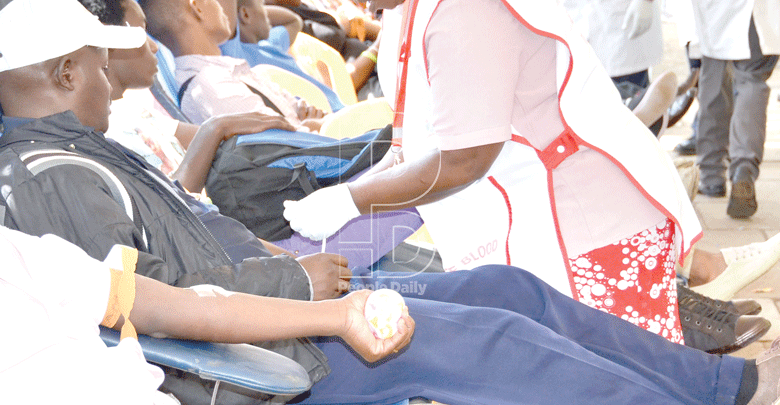
The process usually takes about 10 to 15 minutes. A sterile needle is used to collect blood, and about 450ml is taken in one session. The body naturally replaces this volume within a few days, making the process safe for most healthy individuals. Blood is then tested, processed, and stored for use in hospitals.
Tips after donating blood
After donation, donors are encouraged to rest for a few minutes, drink fluids, and avoid strenuous activity for the rest of the day. Eating iron-rich foods such as spinach, beans and red meat can help replenish lost iron. Proper post-donation care reduces fatigue and supports faster recovery.
Blood donation also helps improve community health resilience. One donation can benefit up to three or more patients, depending on how it is separated. Common blood groups include A, B, AB and O, with O negative often considered a universal donor type in emergencies. According to the WHO, safe and regular voluntary donation is the most reliable source of blood worldwide. Myths such as “donating blood weakens the body” are not medically accurate when donation guidelines are followed.
Blood donation remains one of the most impactful yet simple acts of kindness. With proper awareness and regular participation, more lives can be saved across hospitals and emergency centres. Understanding the process helps remove fear and encourages more people to take part in this lifesaving responsibility.