Advertisement
5 practical ways to ready your body for blood donation
14th June, 2026 08:21 AM
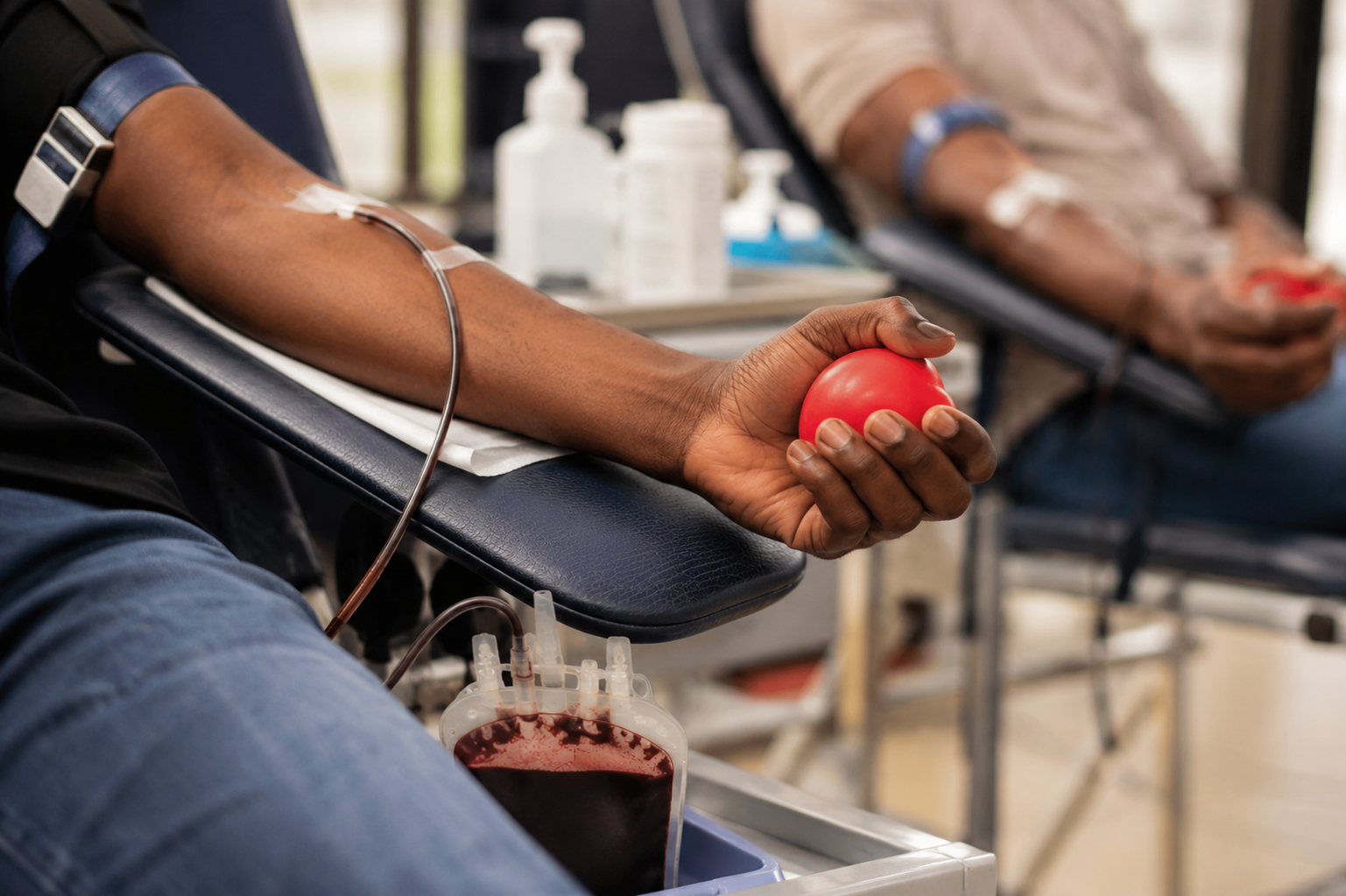
Every year on World Blood Donor Day, attention turns to a simple act that quietly keeps hospitals running and saves countless lives. Blood donation is one of those rare health procedures where the giver does not need money, technology, or special skills, only willingness and a healthy body. According to the World Health Organisation, a safe blood supply is the backbone of emergency care, maternal health, and treatment for chronic illnesses. Yet behind this simple act is an important truth many people overlook. Your body needs preparation before it donates blood.
Preparing for blood donation is not about fear or complications. It is about helping your body perform at its best so that the process feels easy, safe, and even surprisingly normal. Think of it like preparing for a long but meaningful walk. You do not overcomplicate it, but you also do not just jump in without water or proper rest. Here are five practical ways to get your body ready for blood donation.
1. Keep your fluids flowing like a gentle river
Hydration is one of the most important steps before donating blood. When your body has enough fluids, your veins are easier to access and your blood circulates more smoothly. This reduces the chances of feeling dizzy or weak during or after donation.
Start increasing your water intake a day before you donate. Do not wait until you are at the donation centre to start drinking water like it is a competition. Spread it out across the day so your body stays naturally hydrated. On the donation morning, drink a few glasses of water before leaving home. You may also include fresh fruit juice or light soups. Avoid alcohol and too much caffeine because they can dehydrate the body and make you feel more tired than you expect.
2. Eat a strong but simple meal before you go
A well-fed body is a cooperative body. Donating blood on an empty stomach is like trying to drive a car with an empty fuel tank. It simply does not end well. A proper meal helps maintain stable blood sugar levels and keeps you steady throughout the process.
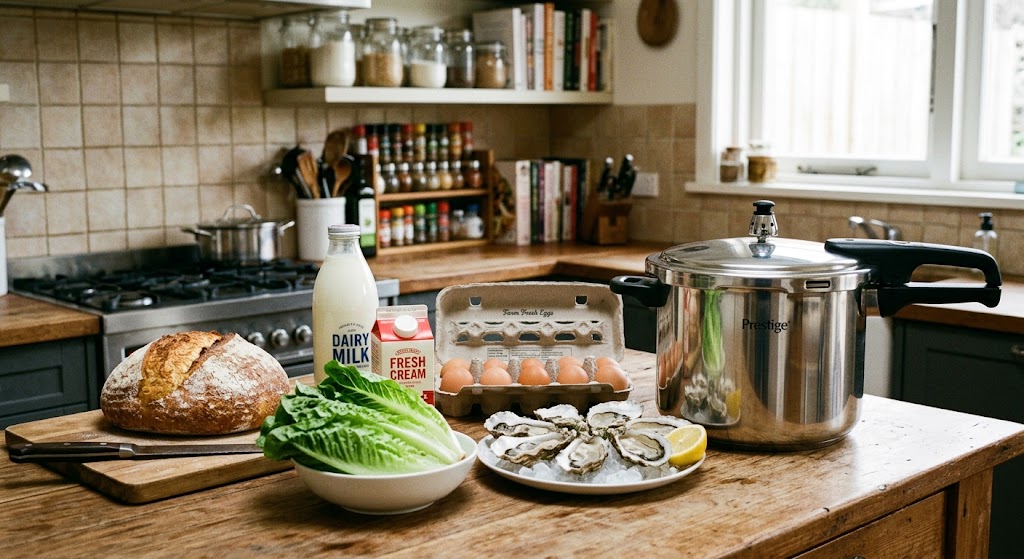
Choose foods that are rich in iron and nutrients, such as eggs, beans, spinach, meat, fish, or fortified cereals. Combine them with carbohydrates like rice, bread, or potatoes for energy. Do not skip meals even if you feel nervous or in a hurry. At the same time, avoid very oily or fatty foods just before donation because they can affect the quality of your blood sample and slow down processing.
3. Give your body the gift of rest
Sleep is often underrated in preparation for blood donation, yet it is one of the most powerful tools your body has. A well-rested body maintains stable blood pressure and better emotional calmness, both of which are important during donation.
Aim for a full night of sleep before your appointment. Late-night screen time, stress, or heavy thinking can leave your body slightly drained the next day. When you wake up rested, your body responds better, your mind is clearer, and the entire experience becomes easier. You are less likely to feel lightheaded and more likely to recover quickly afterwards.
4. Dress light, think light, stay light
Comfort plays a bigger role than many people expect. Wear clothing that allows easy access to your arm, preferably short sleeves or loose sleeves that can be rolled up without struggle. Tight clothing can make you feel restricted and slightly anxious during the process.
Your mindset also matters. It is normal to feel a bit nervous about needles, but tension makes the body stiff. Try to keep your mind relaxed. Talk to the health workers, listen to music, or simply focus on steady breathing. Many first-time donors are surprised at how quick and manageable the experience actually is. A calm mind makes a calm body, and a calm body donates better.
5. Avoid straining your body before donation
Your body should not be in recovery mode when you are about to donate blood. Avoid heavy exercise, intense workouts, or physically demanding activities on the day before and the day of donation. When your muscles are overworked, your body is already using energy to recover, and donation may feel more tiring than usual.
Instead, keep your activity light. A gentle walk or simple stretching is enough. Think of it as allowing your body to stay in a balanced, ready state rather than pushing it to extremes. After the donation, you will also need time to rest, so it is wise not to overload your schedule.