Habits that protect your health when you work night shifts
By Dan Kauna, May 14, 2026Across Kenya, millions of people clock in when the rest of the country is winding down.
The guard at the gate, the nurse on the overnight ward, the writer holding down the night shift, the hotel receptionist holding the front desk together until dawn – these workers keep essential services running.
But working against the body’s natural clock carries a real health cost, and most night workers hear about it only after the damage is already done.
What night work actually does to your body
Your body runs on a roughly 24-hour internal clock known as the circadian rhythm. It governs when you sleep, when your metabolism is active, and when hormones like melatonin and cortisol release.
Night shift work throws all of this out of alignment. A 2024 review of 36 studies on night workers, published in the Journal of Clinical Medicine, concluded that “the research results clearly show a significant impact of night work on the increased risk of sleep disorders and health disturbance,” with links found to cardiometabolic risk, glucose intolerance and reduced immune function.
In plain terms: sleeping in the day and working at night does not simply flip your internal clock. The body resists that switch.
Over time, the mismatch between what the body expects and what it is actually doing drives up the risk of type 2 diabetes, heart disease and obesity – conditions already placing a growing burden on Kenyan households.
Habits that make a real difference
The encouraging news is that targeted daily habits can meaningfully reduce those risks, even when the schedule itself cannot change.
Watch when you eat, not just what you eat. This is the single most evidence-backed adjustment for night workers.
A clinical trial funded by the US National Institutes of Health and published in the journal Science Advances found that workers who ate their main meals during the day (rather than overnight) showed no significant increase in blood glucose levels, while those who ate at night saw an average rise of 6.4 per cent.
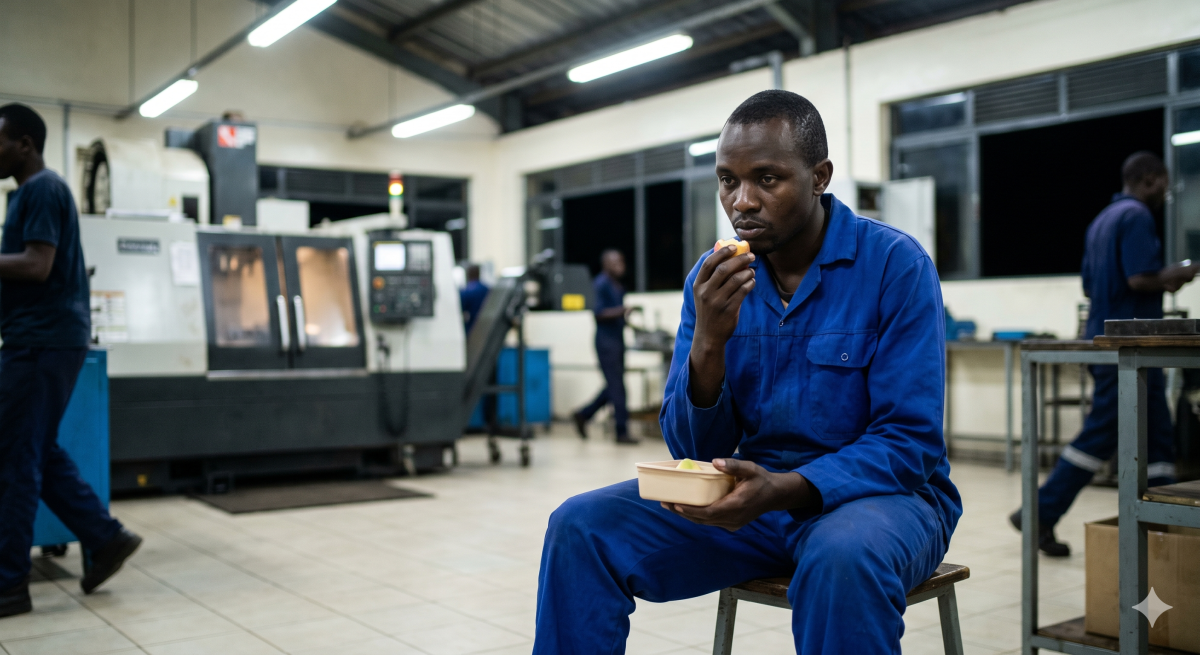
Study leader Professor Frank Scheer of Harvard Medical School described it as “the first study in humans to demonstrate the use of meal timing as a countermeasure against the combined negative effects of impaired glucose tolerance and disrupted alignment of circadian rhythms resulting from simulated night work.”
The rule: eat a proper meal before you leave the house in the evening and again after you sleep, not a heavy plate at 2 am.
Protect your sleep like it is your job. Day sleep is constantly under threat from noise, light and the general rhythm of the neighbourhood.
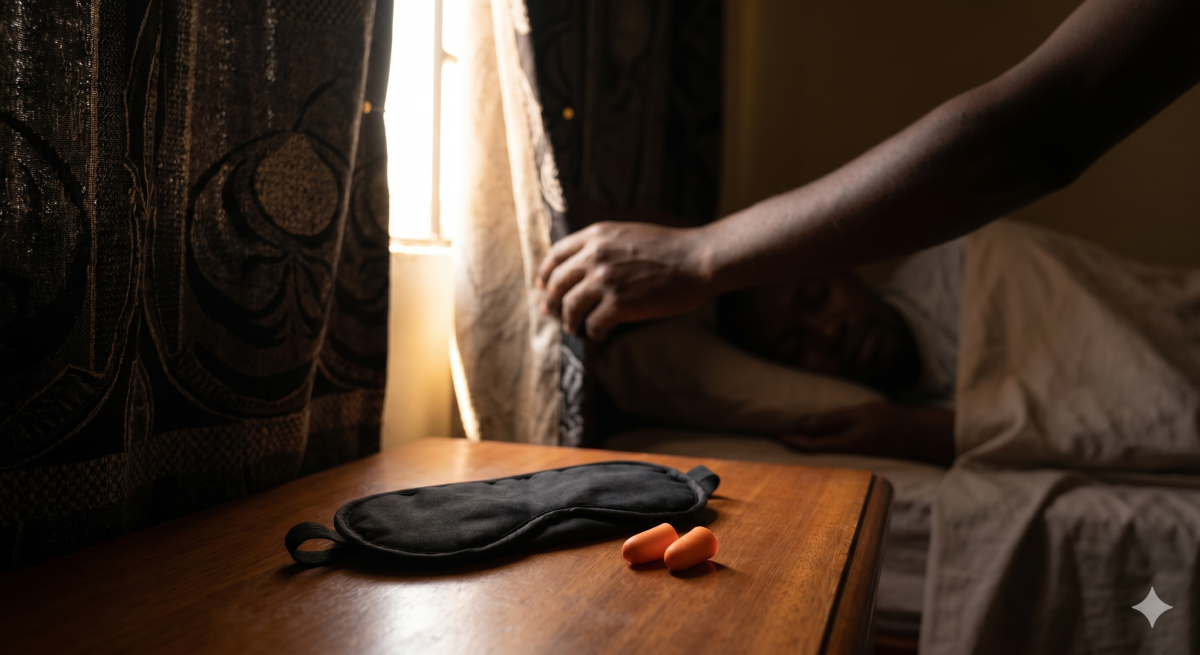
Blackout curtains, an eye mask and earplugs become occupational health tools. A five-to-six-hour sleep block in a darkened, quiet room does significantly more for long-term health than broken two-hour naps scattered across the day.
Use light strategically. Light is the primary signal your brain uses to set its internal clock. Brief exposure to bright light in the early evening can push alertness forward before a shift.
On the way home in the morning, wearing sunglasses blunts the sunrise signal and makes it easier to fall asleep. Managing when light hits your eyes is a low-cost, high-impact habit.
Move your body, but time it well. Regular exercise improves sleep quality and helps regulate metabolic function in shift workers. A short walk or light workout before your shift is more useful than an intense session right before you need to sleep.

Even 20 to 30 minutes of movement a few days a week makes a measurable difference.
Stay socially connected. Social isolation is a quiet but serious risk. The rhythm of Kenyan daily life runs on a clock most night workers are out of step with.
Making a deliberate effort to connect with family and friends on rest days, rather than spending every off day in silent recovery, protects mental health alongside physical health.
Night work is not going anywhere. Security, healthcare, hospitality and manufacturing in Kenya depend on it. But the risks are real and, crucially, they are manageable. The workers carrying those burdens every night deserve to know that.