Advertisement
Goodbye Njaanuary! 5 foods that became Kenyans’ darling in January
27th January, 2026 10:56 PM
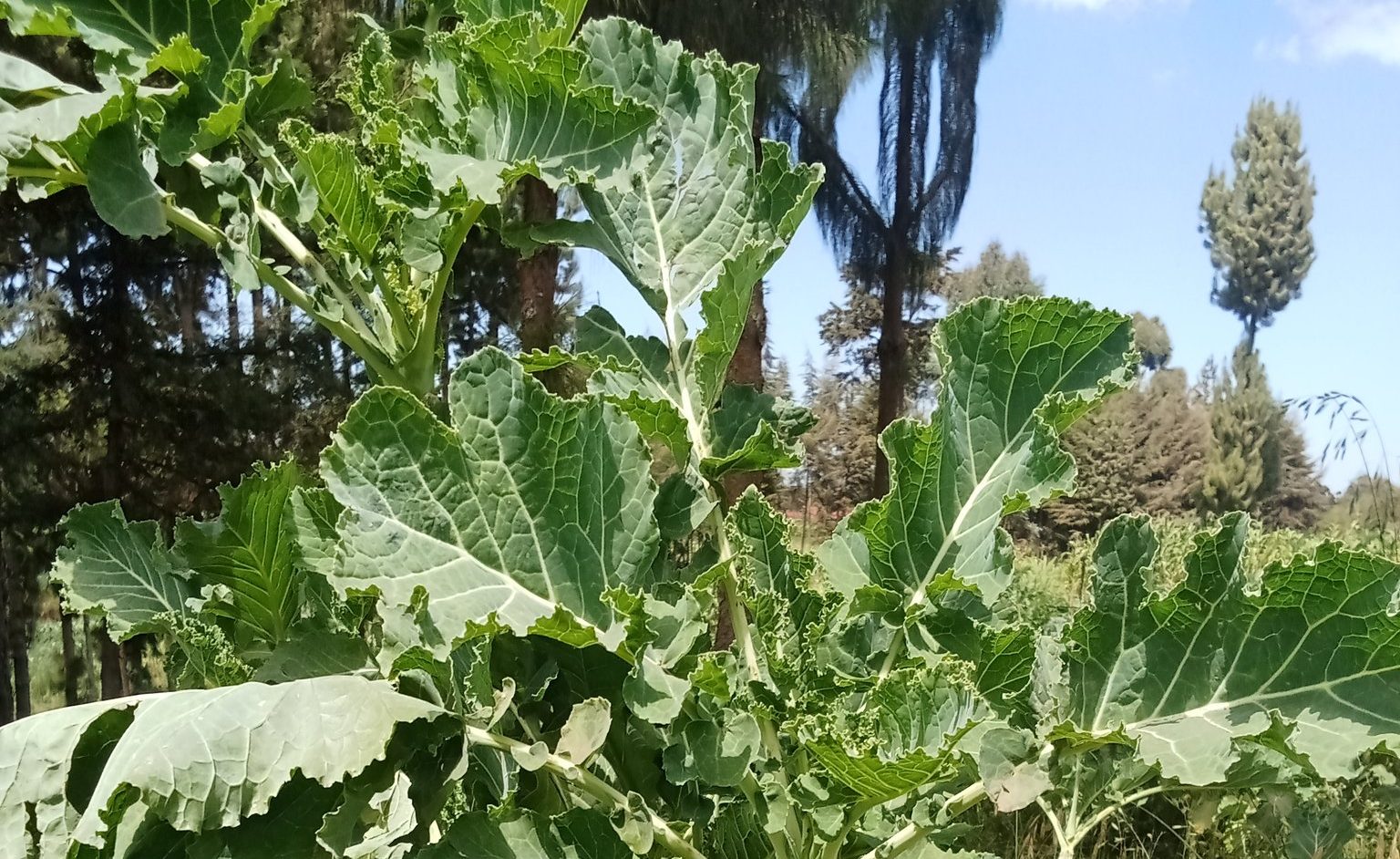
To many Kenyans, if not all, January or Njaanuary was a month of reckoning.
The month itself, instead of having 31 days, had 600 days and 72 hours a day to many due to hardships reeling from December overspending.
As a result, many baptised themselves with titles such as chefs, nutritionists and financial experts, all in the name of surviving with the little they had.
Money became cautious. Shopping lists became shorter. Plates became honest. What mattered was not luxury but endurance. From this struggle, five foods rose quietly and became the true darlings of Kenyans.
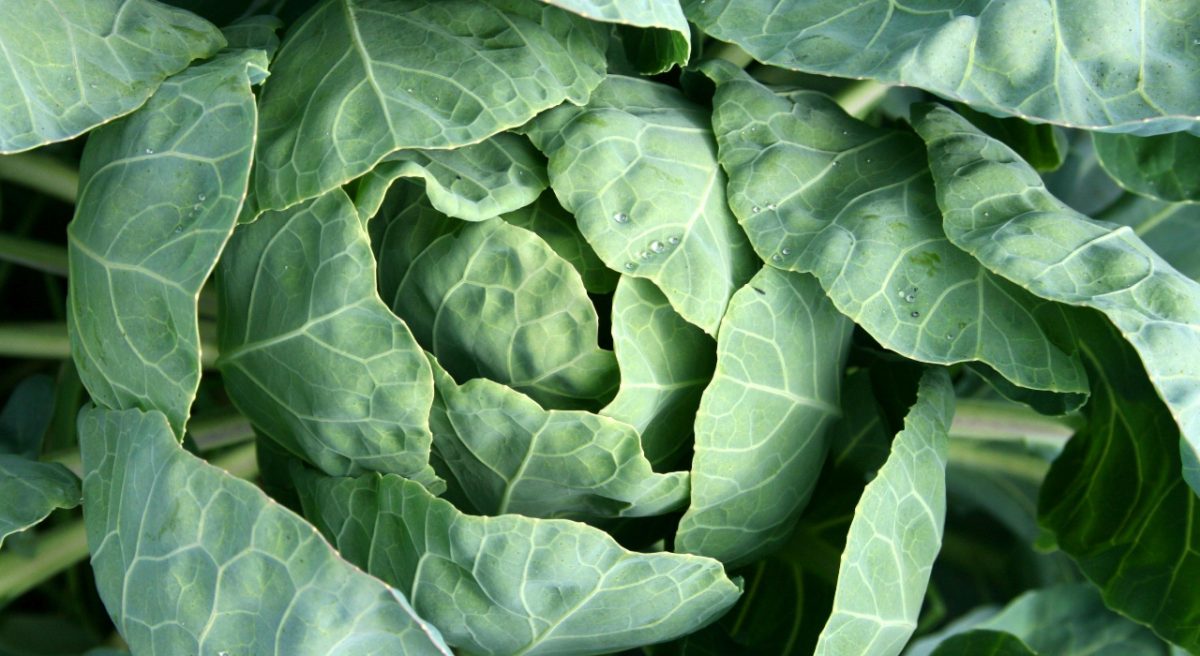
Cabbage and vegetables
Cabbage became the unlikely hero of many kitchens. Cheap, filling and always available, it showed up when wallets went silent.
Paired with sukuma wiki or any green vegetable, it stretched meals without stretching budgets.
Many households realised vegetables are not a sign of struggle but a smart survival choice.
With a bit of salt and patience, cabbage carried families through long days.
Ugali and mayai
Ugali and eggs formed a partnership that rescued many stomachs. Ugali filled the plate, while one or two eggs gave the meal meaning.
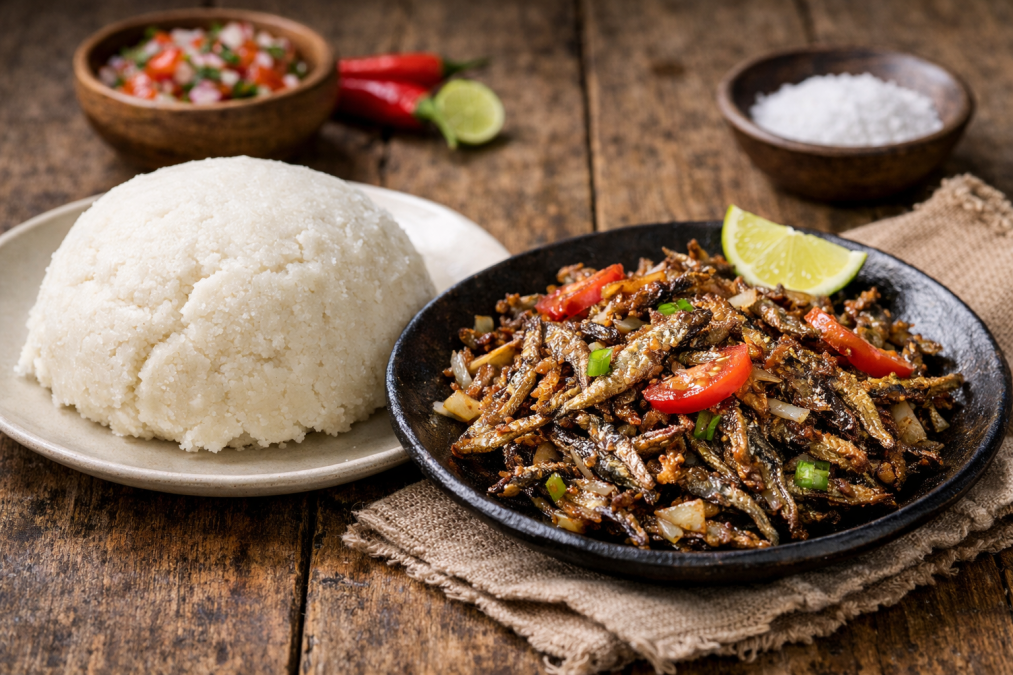
For bachelors, students and city hustlers, this was the easiest win. Quick to prepare, affordable and dependable, this meal reminded many that simplicity can still feel complete.
Uji power
Uji power became fuel rather than food. Sold mostly in market places at about Ksh20, this thick porridge made from blended peanuts, yams and sweet potatoes earned respect.
One cup could push you through eight hours of work. Some joked that after drinking it, hunger fears disappear. For many early morning workers, this was energy in a cup.
Cereals from mama mboga
Beans, ndengu, baazi, cow peas and githeri returned to the spotlight. Mama mboga played a key role by selling cereals in small, affordable portions.
One cup at 30 bob meant control. No waste. No pressure. These foods brought back memories of home and proved once again that traditional meals know how to survive tough times.

Strong tea
Strong tea quietly closed the gap. A cup in the morning or evening helped skip a meal without giving up.
It warmed bodies, lifted moods and gave temporary courage. It was not fancy, just strong enough to remind you that tomorrow might be better.
As Njaanuary fades away, these foods leave behind a lesson. Survival does not always come from money but from smart choices.