Advertisement
Foods that help you sleep better, and the ones keeping you awake
11th May, 2026 08:25 AM

Sleep is not just about what time you get into bed.
Scientists have spent decades studying the connection between diet and sleep quality, and the findings keep pointing in the same direction: the food choices you make throughout the day are quietly shaping how well (or how badly) you rest at night.
And if you are someone who lies awake staring at the ceiling, replaying tomorrow’s to-do list, it may be worth looking at your plate before reaching for a melatonin supplement.
What your plate should look like before bedtime
Foods that are rich in tryptophan (an amino acid the body uses to produce serotonin and, eventually, melatonin) are among the best allies for a good night’s rest.
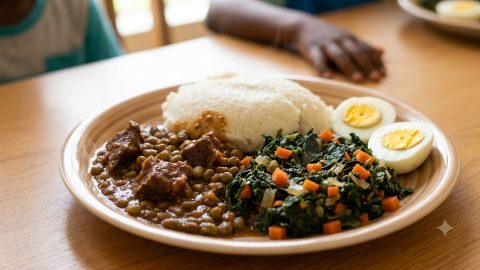
Mala (fermented milk), warm milk, eggs, and legumes such as ndengu (green grams) and kunde (cowpeas) are all solid, affordable sources.
Bananas are another one worth keeping around – they contain magnesium and potassium, both of which help relax muscles and support sleep.

A 2022 review published in the Journal of the Academy of Nutrition and Dietetics by researchers at Columbia University and the University of Chicago found that “diets higher in protein were associated with better sleep quality,” alongside complex carbohydrates and healthier fats. In practical terms, that points to something most Kenyan households already do well: a balanced evening meal of ugali, sukuma wiki, and a protein source hits most of those markers. The key, though, is not eating it too close to bedtime.
Magnesium also earns its mention. Nuts, seeds, leafy greens, and whole grains are some of the richest sources, and a consistent deficiency has been linked in multiple studies to difficulty falling and staying asleep.
What is quietly keeping you awake
The list of sleep disruptors is, unfortunately, a fairly familiar one.
Caffeinated drinks, tea and coffee consumed after 3:00 pm can delay the body’s sleep signals for up to six hours in some people, even if you do not feel particularly alert. That afternoon cup of chai may be costing you more than you realise.

Heavy, fatty meals eaten late in the evening are another culprit.
Think of a large plate of nyama choma at 10:00 pm. The digestive effort alone keeps your body in a state of activity when it should be winding down.
A 2025 review in Food Science & Nutrition noted that “higher intake of processed and free-sugar rich foods was associated with worse sleep features,” adding to a growing body of evidence that ultra-processed snacks and sugar-heavy drinks taken in the hours before bed work against restorative sleep.
Alcohol is also worth flagging.
While it may initially make you feel drowsy, it disrupts REM sleep (the restorative stage) meaning you are likely to wake up feeling groggy even after a full night in bed.
Finishing your main meal by 7:00 pm, switching your evening chai to herbal tea or warm milk, and swapping out late-night snacks for a small handful of groundnuts can make a measurable difference over time.
Sleep is not a luxury, and, as it turns out, neither is eating with it in mind.