What’s on the funeral menu? Foods served to mourners across cultures
By Trizer Lijondo, September 8, 2026Funerals are often associated with grief, remembrance and saying goodbye to a loved one, but they also bring families and communities together around food.
Across cultures, preparing and sharing a meal after a burial is more than simply feeding mourners. It can offer comfort, hospitality and a sense of togetherness during an emotionally difficult time.
While funeral menus differ depending on culture, religion and location, many of the meals served are familiar, filling and easy to prepare for large groups.
Kenyan funeral favourites
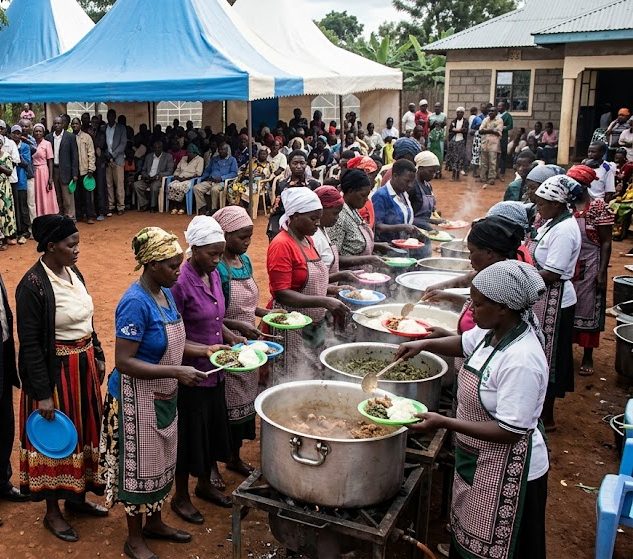
In Kenya, food served at funerals often reflects the community hosting the mourners. Large pots of ugali, beef stew, rice, beans, chapati, githeri and vegetables are common choices because they can feed many people.
In some coastal communities, pilau and biryani may feature prominently, reflecting the region’s culinary traditions. Tea, bread, mandazi and other light foods can also be served to visitors throughout the day, particularly during vigils and gatherings before the burial.
The food can also become a way for neighbours, relatives and friends to contribute. Some arrive with ingredients, while others help prepare or serve meals, turning cooking into a communal activity.
Food as comfort during grief
The practice of feeding mourners is not unique to Kenya. In many parts of the world, food plays an important role in mourning traditions.
In the United States, for example, families and friends may gather for a post-funeral meal featuring casseroles, sandwiches, salads and other dishes that can easily be prepared in large quantities. Some communities even have dishes popularly associated with funeral gatherings.
In parts of South Asia, vegetarian meals such as dal, rice and vegetables may be served following funeral rites. Meanwhile, Ethiopian and Eritrean communities may serve injera accompanied by various stews, bringing mourners together around a shared meal.
More than just a meal
Funeral food often carries a deeper meaning. It can represent hospitality towards people who have travelled to pay their respects, while giving family members and friends an opportunity to sit together and share memories.
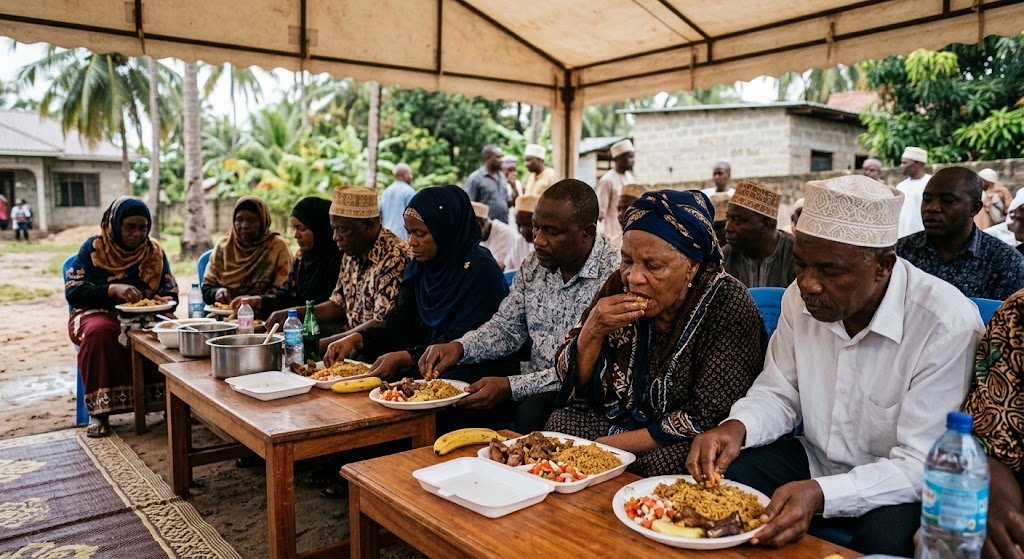
For grieving families, the practical help can also be significant. Relatives and neighbours who organise meals reduce some of the everyday responsibilities that can become overwhelming during bereavement.
Ultimately, the funeral menu is shaped by tradition, availability and personal preference, but its purpose often remains the same: bringing people together at a time when they need one another most.