Types of cabbages and what you probably didn’t know
By David Nthua, June 4, 2026Cabbage is one of the most widely consumed vegetables in the world, yet many people are surprised to learn that not all cabbages are the same.
From the common green cabbage found in many Kenyan kitchens to Asian varieties used in stir-fries and fermented dishes, each type has unique characteristics that affect its taste, texture, nutritional value and culinary uses.
Botanically known as Brassica oleracea, cabbage belongs to the cruciferous vegetable family, which also includes broccoli, cauliflower, kale and Brussels sprouts. These vegetables are rich in fibre, vitamins, antioxidants and plant compounds linked to numerous health benefits.
While dozens of cabbage varieties exist globally, most fall into four major categories: Green, Red, Savoy and Napa cabbages.
Green cabbage
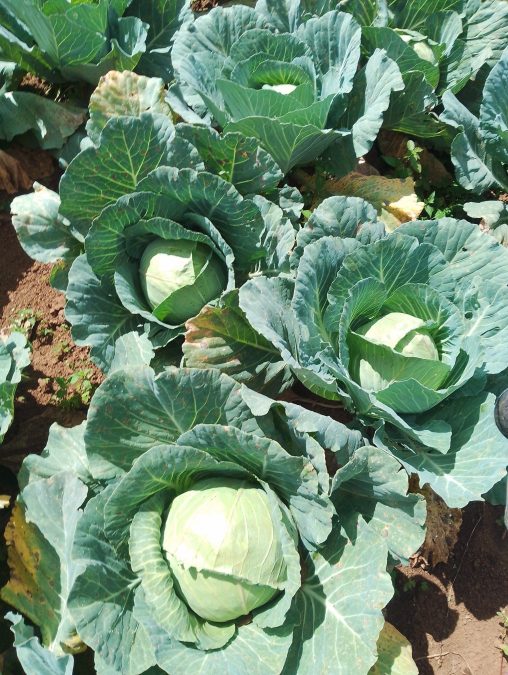
Green cabbage is the most common variety found in supermarkets, open-air markets and grocery stores.
It forms a dense, round head made up of tightly packed leaves ranging from pale green to deep green. Scientifically, its leaves contain glucosinolates, sulphur-containing compounds that contribute to its slightly peppery flavour.
When cooked, chemical changes break down these compounds, producing a sweeter taste. This is why green cabbage works equally well in salads, stews, stir-fries and fermented foods such as sauerkraut.
Many people do not know that green cabbage contains significant amounts of vitamin C, vitamin K and dietary fibre despite being relatively low in calories.
Red cabbage
Often called purple cabbage, red cabbage closely resembles green cabbage in shape and texture but contains anthocyanins, powerful antioxidant pigments responsible for its deep purple colour.
These same compounds are found in blueberries and blackberries and have been studied for their potential role in supporting cardiovascular health and reducing oxidative stress.
One interesting fact is that red cabbage can act as a natural pH indicator.
Its pigments change colour depending on acidity levels, appearing reddish in acidic conditions and bluish in alkaline environments.
Because heat can dull its vibrant colour, red cabbage is often enjoyed raw in salads, coleslaws and lightly pickled dishes.
Savoy cabbage
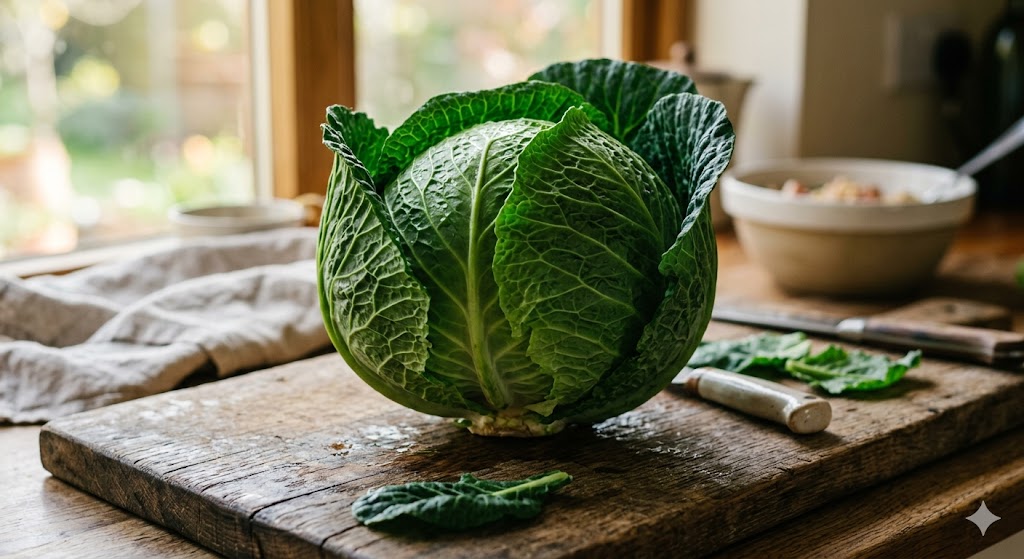
Savoy cabbage is easily recognised by its deeply crinkled and wrinkled leaves.
Unlike green cabbage, its leaves are less tightly packed, making the head lighter and more flexible. It is also considered one of the sweetest and mildest cabbage varieties.
Its softer texture means it cooks faster and is particularly suitable for stuffed cabbage rolls because the leaves can be folded without tearing.
Many chefs prefer Savoy cabbage when preparing delicate dishes that require a tender texture.
Napa cabbage
Napa cabbage, also known as Chinese cabbage, looks very different from traditional round cabbage.
Instead of forming a ball-shaped head, it develops an elongated shape with thick white ribs and pale green leaves. Its flavour is mild, sweet and less pungent than that of green cabbage.
Napa cabbage is famous as the primary ingredient in kimchi, the fermented Korean dish that has gained worldwide popularity.
Its crisp texture also makes it ideal for stir-fries, soups, salads and dumpling fillings.
Lesser-known cabbage varieties
Pointed cabbage, sometimes called sweetheart or Hispi cabbage, has a cone-like shape and exceptionally tender leaves. It is prized for its sweet flavour and is excellent when roasted or lightly steamed.
Bok choy differs significantly from traditional cabbage because it resembles celery with thick white stalks and dark green leaves. The stalks remain crunchy even after cooking, making it a favourite in Asian cuisine.
January King cabbage is a striking winter variety with blue-green and purple outer leaves.
It has a firm texture and sweet flavour that stands up well to slow-cooked dishes and hearty stews.
Choy sum is another Asian cabbage variety known for its tender stems, leafy greens and small yellow flowers. It is commonly used in stir-fries and noodle dishes.