Foods to keep you sharp during a long night of watching football
By Dan Kauna, June 3, 2026The 2026 FIFA World Cup is bringing some of the biggest fixtures to Kenyan screens well into the early hours. And if you have been waking up groggy after a night of football, your snack choices probably have more to do with it than the final whistle.
What you eat in the hours before and during a late match can determine whether you stay sharp through extra time or crash somewhere in the second half.
Here is what the science says, and what your body actually needs.
Stock up on these before kick-off
The safest pre-match plate is one built around protein and healthy fats.
Eggs, nyama (meat), fish, nuts, and kunde (cowpeas) all release energy slowly, keeping your blood sugar steady rather than spiking it. That matters more at night than during the day, because your body’s natural alertness is already fighting a dip after 10 pm.
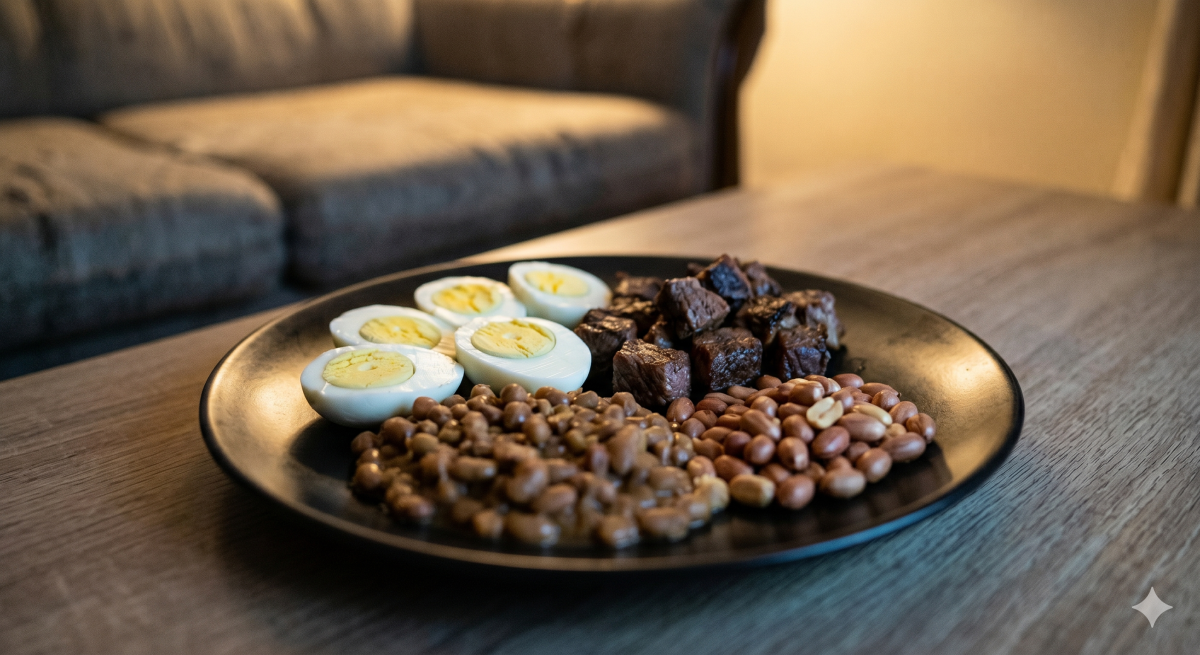
A 2023 study published in Frontiers in Nutrition, which tracked 128 nurses across multiple night shifts, found that “a higher fat intake 2 to 3 hours prior to the alertness test was associated with fewer attention lapses” – meaning the right fats, eaten at the right time, actively protect your ability to focus.
Avocado on toast or a handful of groundnuts about two hours before the match is not indulgence. It is strategy.
Hydration matters just as much. Mild dehydration (even two per cent of body weight) is enough to slow reaction time and dull concentration.
Keep water close throughout the match, and if you want something warmer, black tea or black coffee in moderate amounts (one to two cups) is well-supported for sustaining alertness without the jittery edge that comes with excess caffeine.
What to put down and walk away from
The foods most people reach for during a late-night match are exactly the ones that will undo you.
Heavy, carbohydrate-rich snacks (ugali, white rice, chips, or a large pile of biscuits) eaten close to kick-off trigger a sharp rise and fall in blood sugar that accelerates fatigue.
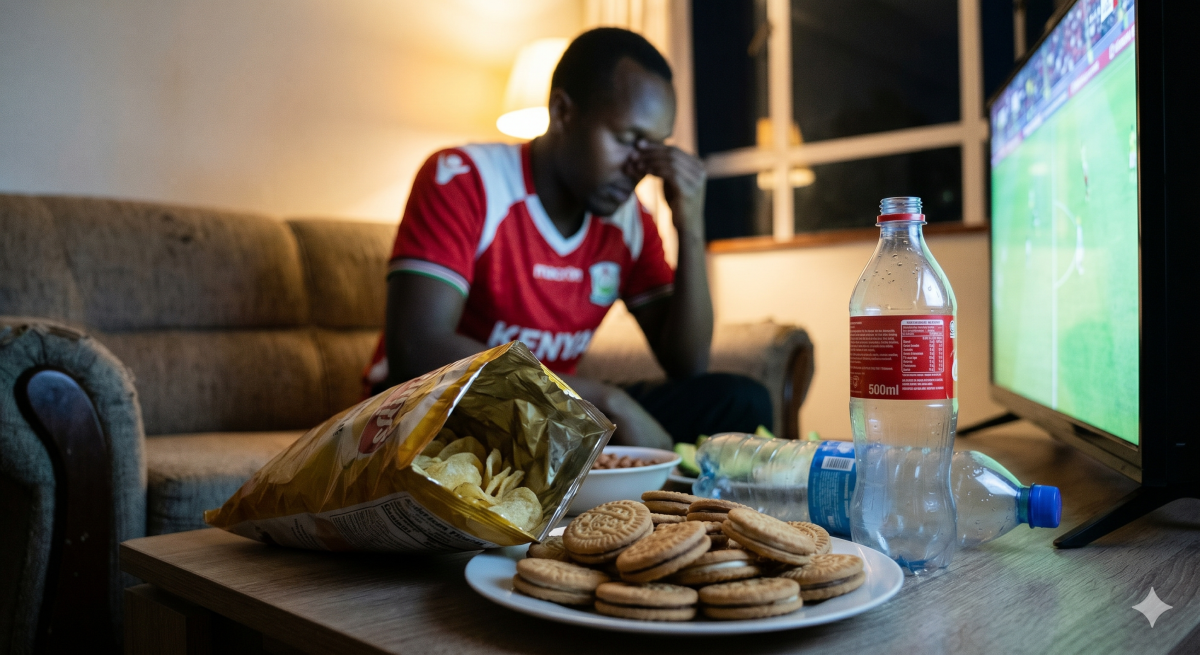
The same Frontiers in Nutrition study found that high carbohydrate intake in the hour or two before an alertness test was linked to more attention lapses, not fewer.
Alcohol is the other quiet culprit. A beer or two might feel like it is keeping the mood up, but alcohol suppresses the deep sleep stages you will need the next morning, meaning the match costs you far more rest than just the hours you were awake for it.
The morning after a late match does not have to feel like a write-off. Eat smart before kick-off, stay hydrated through ninety minutes, and your post-match sleep will do the rest.