A taste of the world: How international cuisines are taking over Kenya
By Trizer Lijondo, August 28, 2026For a long time, eating out meant choosing between familiar favourites such as nyama choma, pilau, chapati, burgers or pizza. Today, Kenyan diners are increasingly walking into restaurants and cafés looking for foods they may have first encountered on TikTok, Instagram, movies or international travels.
From colourful cups of boba tea to Korean fried chicken, sushi, ramen, dim sum and bubble waffles, international foods are becoming part of Kenya’s evolving food culture.
From boba to Korean chicken
One of the most noticeable newcomers is boba tea, also known as bubble tea. The drink, which originated in Taiwan, combines tea or milk-based drinks with chewy tapioca pearls and has become particularly popular among young consumers.
Its appeal goes beyond taste. The colourful drinks, different flavours and distinctive pearls make boba highly shareable on social media, turning a simple drink into part of the experience.
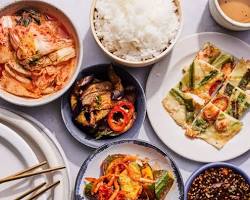
Korean food is also gaining attention. Korean fried chicken, kimchi, tteokbokki and Korean barbecue are increasingly appearing on menus, with the popularity of K-dramas and K-pop helping introduce Kenyan audiences to the cuisine.
A new appetite for Asian flavours
Chinese food has long had a presence in Kenya, but diners are now being exposed to a wider variety of dishes.
Dim sum, dumplings, noodles, hot pot and Sichuan-style dishes are giving consumers opportunities to explore Chinese cuisine beyond the familiar fried rice and chicken dishes.
Japanese food is similarly attracting curious diners, particularly through sushi, ramen and Japanese-inspired desserts.
For some Kenyans, trying these foods has become a way of experiencing another culture without having to travel abroad.
Social media is changing what Kenyans eat
The rise of international food is closely connected to how people discover trends.
A dish can now become popular after appearing in a TikTok food review, an Instagram reel or a viral video. Young Kenyans are increasingly interested in foods that are not only tasty but also visually appealing and worth sharing online.
This has created a new kind of food adventure, where curiosity drives people to try something unfamiliar simply because they have seen others enjoying it.
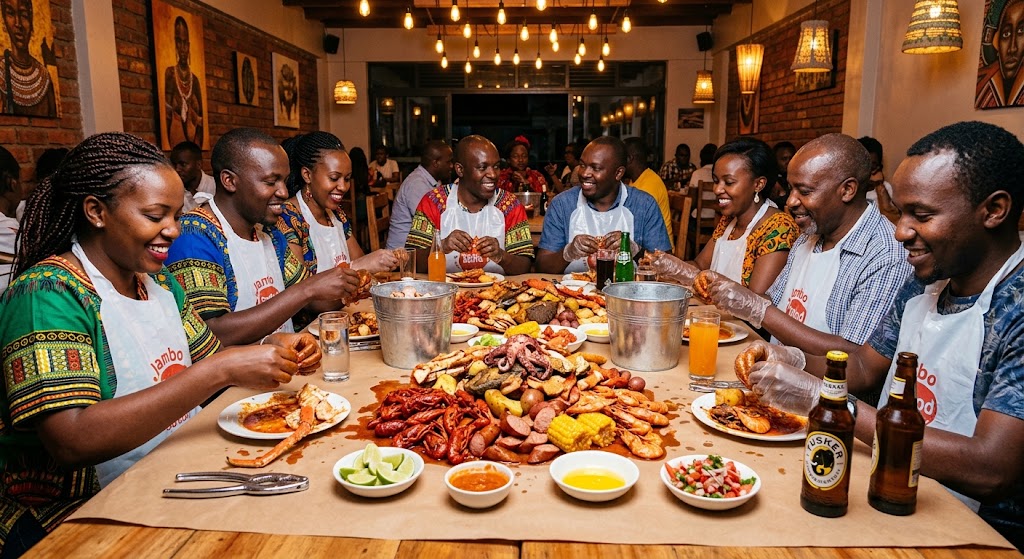
Kenya’s evolving food culture does not mean traditional foods are disappearing. Instead, local tastes are making room for new flavours, creating a dining scene where ugali can exist alongside ramen, chapati alongside dumplings, and chai alongside boba.
The result is a Kenyan food culture that is becoming more adventurous, diverse and undeniably global.