7 types of meats with the most iron to boost energy and support healthy muscles
By Katemarthason Okudo, July 10, 2026Feeling tired after a normal day, struggling with low energy or experiencing weakness can sometimes be linked to low iron intake. Iron helps the body make haemoglobin, the protein in red blood cells that carries oxygen from the lungs to body tissues. It also supports myoglobin, a protein that helps muscles store and use oxygen.
Meat is a useful source of haem iron, a form of iron that the body absorbs more easily than the non-haem iron found in many plant foods. According to the National Institutes of Health Office of Dietary Supplements, meat, poultry and seafood provide iron that can help support healthy red blood cells and normal energy production.
Here are seven meats that can be included in meals to boost iron intake while also supporting healthy muscles.
Liver: A nutrient-dense iron source
Liver is among the richest animal sources of iron. Beef liver, chicken liver and goat liver are commonly prepared in stews, lightly fried with onions or mixed into other meat dishes.
Apart from iron, liver contains vitamin B12, folate and protein. These nutrients support the formation of red blood cells and help the body maintain healthy muscles and nerves. The NHS, however, advises pregnant women to avoid liver because of its high vitamin A content, which may affect an unborn baby.
Beef: A reliable source of haem iron
Beef is a familiar choice in many homes and provides haem iron, protein, zinc and vitamin B12. It can be cooked in stews, minced for chapati wraps, added to pilau or served with vegetables.
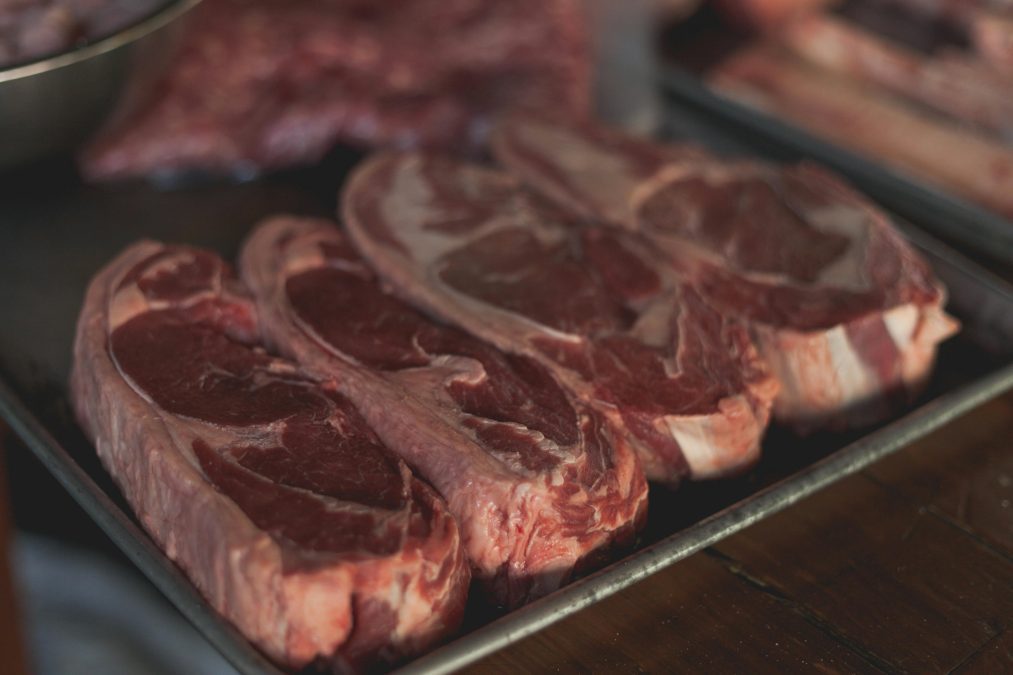
The iron in beef supports oxygen supply throughout the body, while protein helps repair and maintain muscle tissue. The NHS recommends eating red meat in moderation and limiting processed meats such as sausages, bacon and ham.
Goat meat: A favourite for hearty meals
Goat meat is widely enjoyed in soups, wet fry dishes, nyama choma and stews. It contains iron and protein, making it a useful option for people looking to support energy levels through food.
Protein helps build and maintain muscles, while iron supports oxygen movement to body tissues. Pairing goat meat with sukuma wiki, spinach, tomatoes or oranges can improve iron absorption because vitamin C helps the body take in more iron, according to the National Institutes of Health.
Lamb: Useful for muscle support
Lamb contains iron, protein, zinc and vitamin B12. It can be prepared in curries, stews, grilled chops or slow-cooked dishes with vegetables.
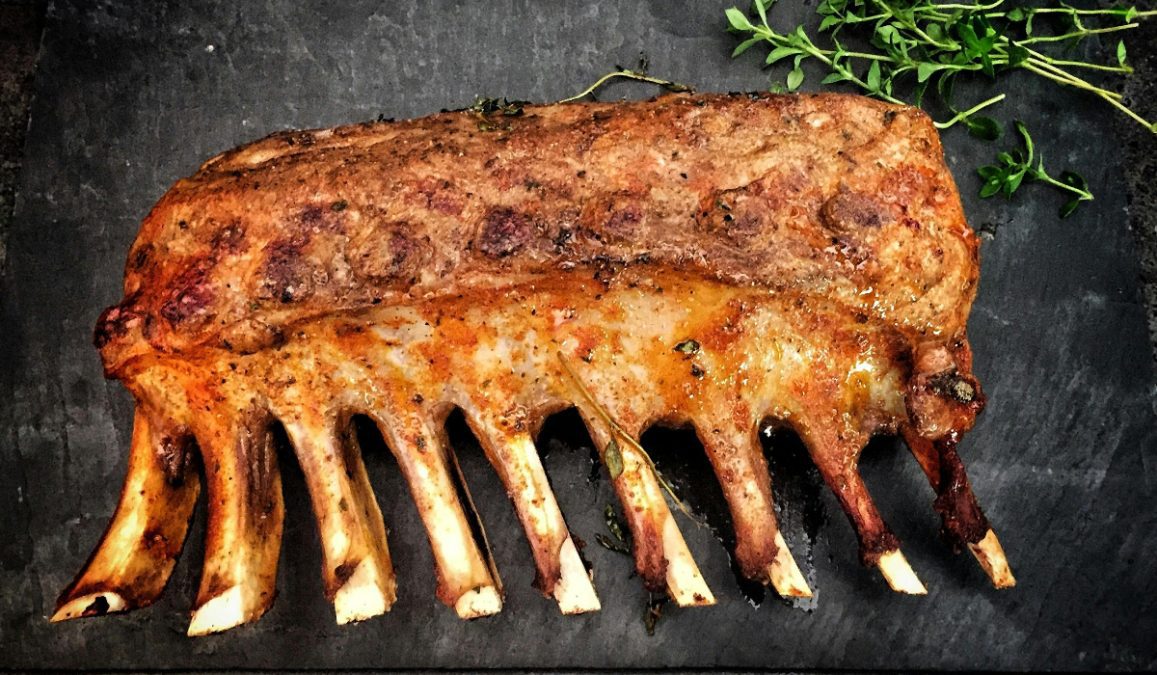
The protein found in lamb supports muscle maintenance, particularly after physical activity or demanding work. Choosing lean cuts and trimming excess fat can help make the meal more balanced, especially when served with vegetables, beans or whole grains.
Chicken thighs and drumsticks: Dark meat with more iron
Chicken is commonly known for protein, but darker cuts such as thighs and drumsticks contain more iron than chicken breast. They can be roasted, cooked in a curry, added to soup or prepared in a stew.
Chicken provides a lighter alternative for people who do not eat much red meat. Its protein supports muscle repair, while its iron contributes to healthy red blood cells. Serving chicken with tomatoes, capsicum, lemon or mango can help the body absorb more iron from the meal.
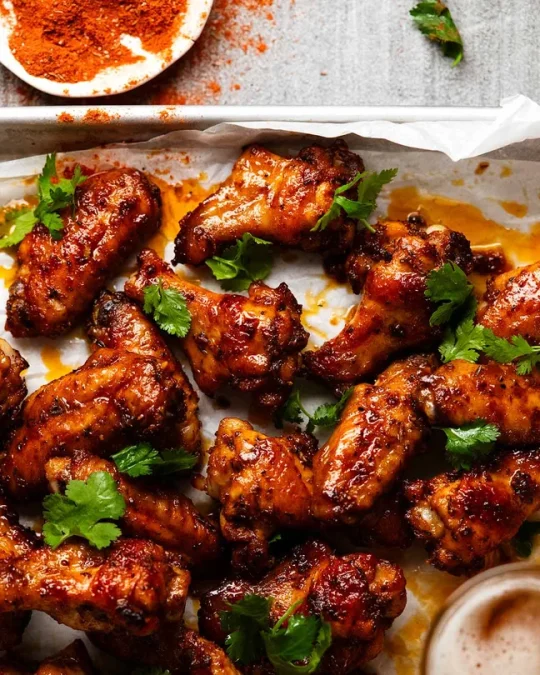
Turkey: Lean meat with important nutrients
Turkey is another poultry option that provides protein, iron, zinc and B vitamins. Dark turkey meat, especially from the leg and thigh, generally contains more iron than the breast.
It can be used in sandwiches, stews, minced meat dishes or roasted meals. Turkey’s protein content supports muscle growth and repair, making it a suitable option for active people and those trying to include more lean meat in their meals.
Pork: An often-overlooked source of iron
Pork can also contribute iron to the diet, particularly lean cuts such as pork loin and tenderloin. It contains protein, vitamin B12, zinc and thiamine, which supports the body’s energy metabolism.
When prepared by grilling, roasting or stewing rather than deep frying, pork can be part of a balanced meal. It can be served with vegetables and vitamin C-rich foods such as cabbage, tomatoes or fresh fruit to support better iron absorption.
Adult men need about 8.7mg of iron each day, while women aged 19 to 49 need around 14.8mg due to monthly blood loss. However, persistent tiredness, dizziness, shortness of breath or weakness should be checked by a health professional, as low iron may require more than dietary changes.