How everyday heat styling breaks hair – do this instead
By Dan Kauna, June 27, 2026Many people rely on a quick blow-dry or a flat iron to style their hair, but using these tools daily changes the hair at a deep level.
Afro-textured hair is naturally unique because of its tight curls.
These curves create natural weak points along the strand where the outer protective layer is thinner, making this hair type more prone to snapping when exposed to intense heat.
What high heat does to your strands
Hair is mostly made of a strong protein called keratin, which relies on a careful balance of moisture to stay bouncy and healthy. Applying high heat alters this structure completely.
Once a styling tool goes past 150 degrees Celsius, the proteins inside the hair begin to unfold and change shape, which permanently robs the strand of its natural stretch.
If the temperature climbs up to 230 degrees Celsius, the water trapped inside the hair shaft evaporates instantly, leaving tiny cracks behind.
This is the exact point where hair damage becomes completely irreversible because the internal structure literally breaks down.
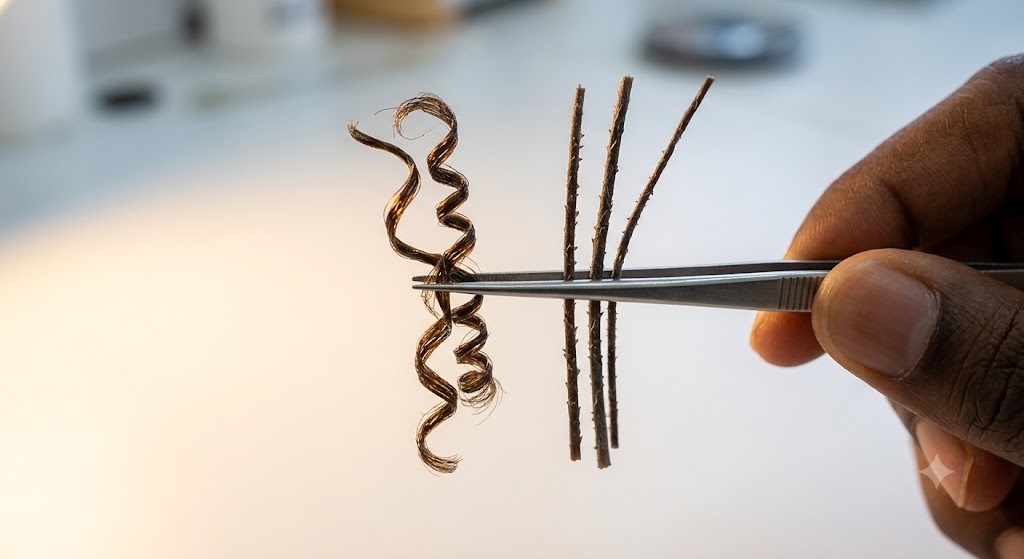
According to a study published in the Journal of Cosmetic Science, “Thermal treatment causes severe cuticle damage to the hair fibre surface by showing cuticle disintegration with missing cuticle pieces and jagged cuticle layers.”
Once this outer layer is gone, the inner core is left bare, turning healthy hair into a dry, brittle mess that breaks at the slightest touch.
Safer ways to style your hair
Fixing this wear and tear is not about buying expensive oils or repair creams, which cannot mend broken proteins despite what beauty adverts claim. Real protection comes down to changing how the hair is styled daily.
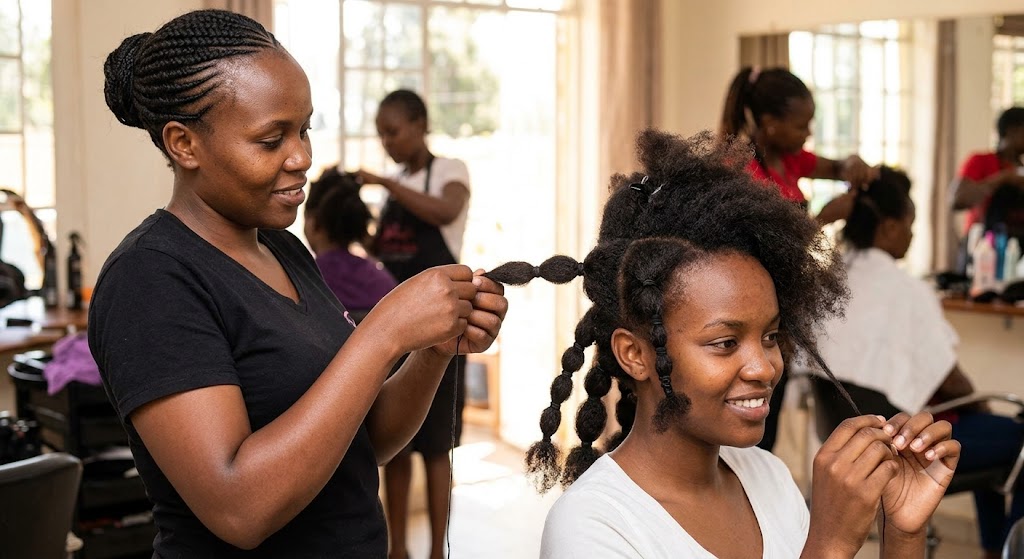
The easiest fix is to lower the temperature of styling tools. Keeping a blow-dryer or straightener below 150 degrees Celsius prevents the permanent breakdown of keratin.
It is also vital to only apply heat to completely dry hair. Using a straightener on damp hair causes water droplets to boil inside the shaft, creating permanent bubbles that burst through the cuticle.
Using a proper heat protectant spray also helps by slowing down the heat transfer. For an even safer option, stretching the hair using traditional methods like thread-wrapping or cool banding delivers a stretched look without any heat damage at all.