Explainer: How a painkiller works to relieve pain
By David Nthua, April 19, 2026You have a headache, toothache, back pain or fever. You swallow a painkiller with water, wait for some minutes, and slowly the discomfort begins to fade.
For many people, it feels almost magical.
But a painkiller does not “pull pain out” of the body. It works through a chain of biological steps inside you.
Depending on the medicine, it may reduce the cause of pain, block pain signals or lower the body’s sensitivity to those signals.
Here is the process in simple terms.
Step 1: You swallow the tablet
The journey begins in the mouth.
You place the tablet or capsule on the tongue and swallow it with water.
Water helps move it safely down the oesophagus, the food pipe leading to the stomach.
At this stage, the medicine has entered the body, but it has not started working yet.
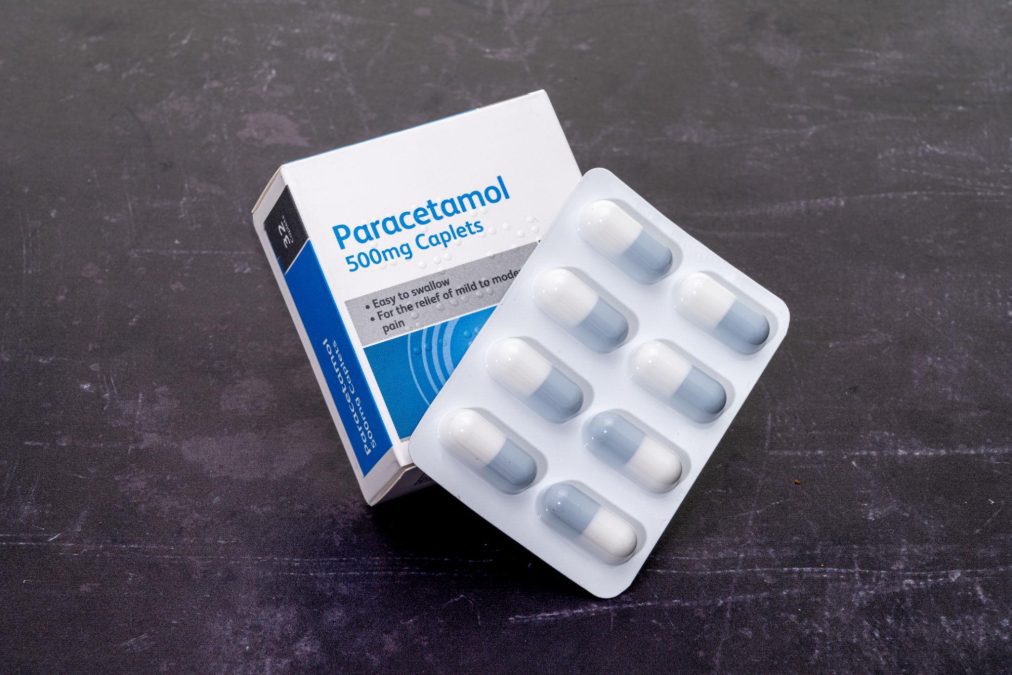
Step 2: The tablet breaks down
Once in the stomach, the tablet begins to dissolve.
Some medicines dissolve partly in the stomach, while others are designed to pass into the small intestine before being absorbed.
Capsules may open and release powder or tiny beads.
This is why some painkillers act faster than others. The design of the medicine matters.
Step 3: The medicine enters the bloodstream
After dissolving, the active ingredient passes through the lining of the stomach or intestine into the bloodstream.
Your blood then acts like a transport network, carrying the medicine around the body.
This is how a tablet swallowed in the mouth can help pain in the head, tooth, joints or muscles far away from the stomach.
Step 4: It reaches the pain system
Pain begins when nerves detect injury, inflammation or irritation and send warning messages toward the brain.
A painkiller works by interfering with that system.

Some common painkillers, such as paracetamol, mainly act in the brain and spinal cord to reduce how strongly pain is felt.
Others, such as ibuprofen, also reduce inflammation by lowering the body’s production of chemicals called prostaglandins, which help create pain, swelling and fever.
When those chemicals are reduced, the painful area often becomes calmer.
Step 5: Fewer pain signals reach the brain
Your brain is where pain is finally interpreted.
Even if a sore area still exists, the feeling of pain can lessen when fewer signals arrive or when the brain becomes less sensitive to them.
That is why the injury may still be there, but you feel better.
The painkiller has changed the signalling process.
Step 6: Relief is felt
As signal levels drop, symptoms improve.
The headache eases. The fever settles. The throbbing tooth becomes quieter. Body aches reduce.
How quickly this happens depends on the type of medicine, dose, whether you took it with food, your body and the cause of pain.
Some people feel relief in 15 to 30 minutes, while others may take longer.
Step 7: The body clears the medicine
After doing its job, the body begins breaking down and removing the medicine.
The liver helps process many painkillers, while the kidneys help remove waste products through urine.
This is why doses are spaced over time. Once levels fall, pain may return if the underlying problem remains.
Important to know
Painkillers treat symptoms, not always the root cause.
If pain keeps returning, becomes severe or comes with swelling, bleeding, weakness, breathing trouble or other worrying signs, medical attention is important.
It is also important to follow the dose instructions. More tablets do not always mean better relief and can be dangerous.
A painkiller works through a smart chain of steps.
It is swallowed, absorbed into the blood, carried through the body and then acts on pain pathways so the brain receives weaker distress signals.
It may feel simple from the outside, but inside the body, it is a carefully coordinated process.