Everyday items in Kenyan homes that can make you money
By Katemarthason Okudo, May 19, 2026Across many Kenyan homes, items that once looked useless are quietly becoming sources of income. From glass jars tucked in kitchen shelves to old clothes stored in suitcases, everyday objects are being repurposed into small businesses. What was once considered clutter is now part of a growing culture of reuse and creativity, often referred to as upcycling.
Experts noted that upcycling, turning old items into new, useful products, helps reduce waste while creating economic opportunities for households looking for side income. In Kenya, where entrepreneurship is deeply rooted in daily survival, this trend is gaining momentum.
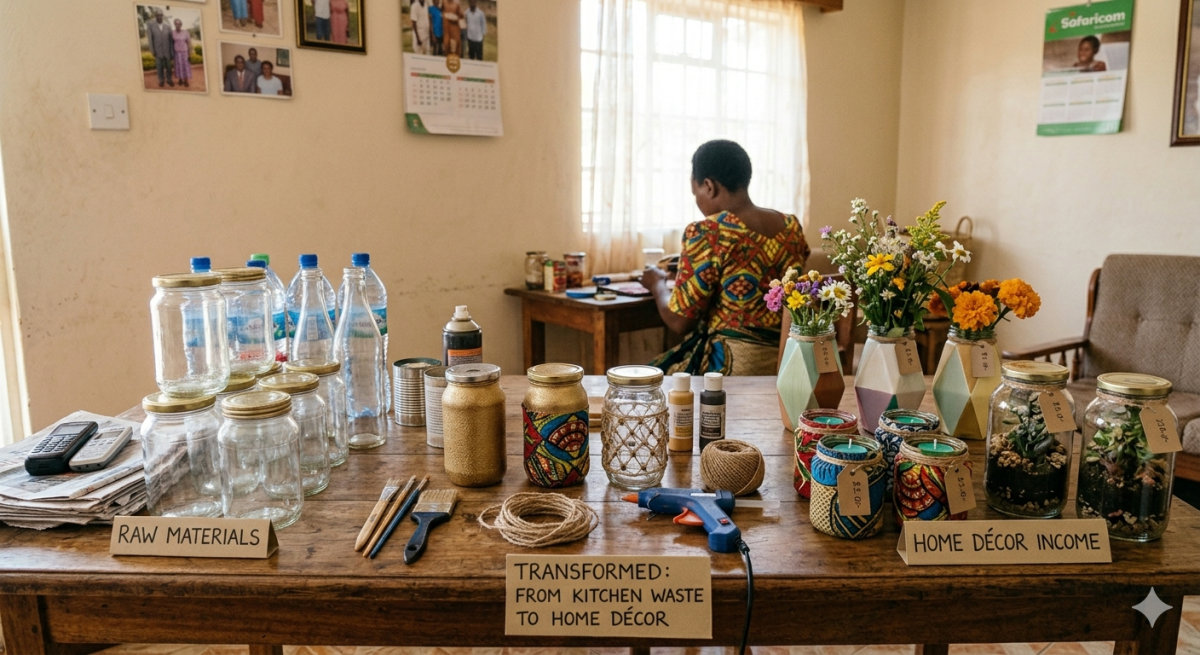
Glass jars and bottles: from kitchen waste to home décor income
Empty glass jars from cooking ingredients or beverages are no longer ending up in the bin. Many households are cleaning, decorating, and reselling them as candle holders, spice containers, flower vases, and even small storage units.
Simple touches like paint, rope wrapping, or fairy lights can transform them into attractive décor pieces. In urban areas, such handmade items are popular among small home décor buyers looking for affordable aesthetic pieces.
Studies on household reuse practices show that glass containers are among the most commonly repurposed items due to their durability and versatility.
Old clothes and textiles: fashion from forgotten wardrobes
Clothes that no longer fit or have faded are being turned into tote bags, cushion covers, cleaning rags, and even patchwork fashion items. Denim jeans, in particular, are a favourite material because of their strength.
This kind of reuse is also linked to Kenya’s growing eco-fashion movement, where designers and small entrepreneurs turn discarded textiles into marketable products, creating jobs while reducing waste.
A simple worn-out sweater, for example, can be redesigned into a pillow cover or fabric bag items that can easily find buyers in local markets or online platforms.
Tin cans and plastic containers: from kitchen waste to urban farming tools
Tin cans, plastic bottles, and jerrycans are being turned into planters for herbs, vegetables, and flowers. In cities like Nairobi, where space is limited, balcony gardening has become a practical and sometimes profitable activity.
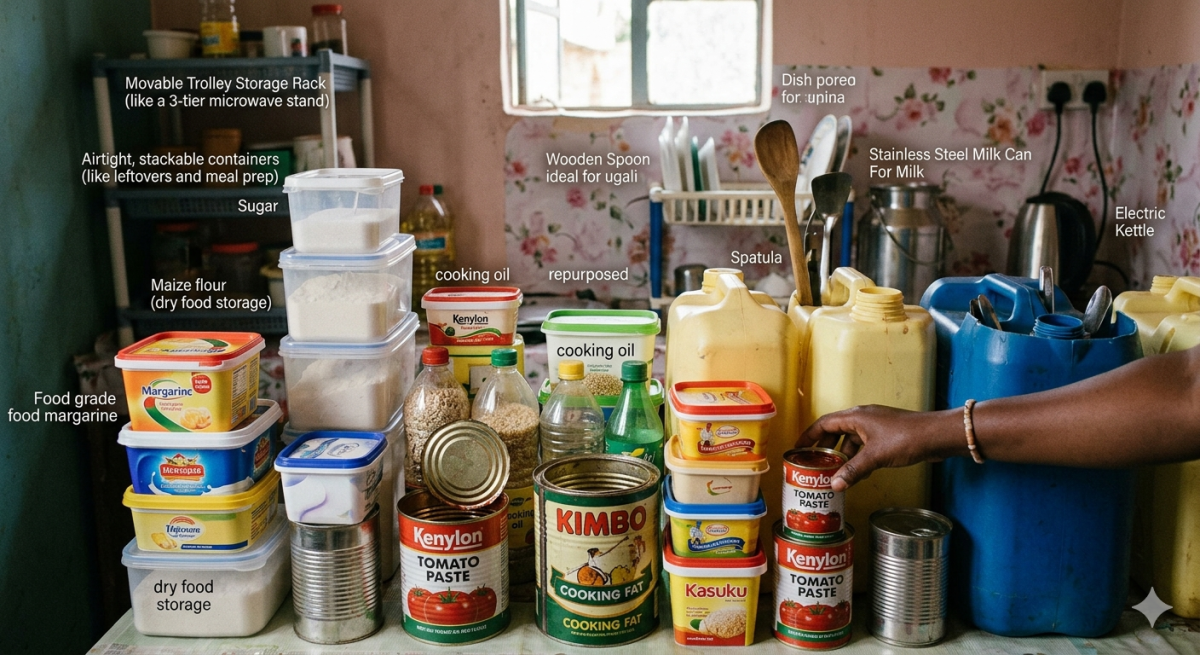
These containers are painted, drilled for drainage, and arranged vertically to create small kitchen gardens. Some households even sell seedlings or herbs grown in these recycled containers, turning a simple household habit into a micro-business.
Upcycling experts note that such items are especially useful in urban farming because they reduce startup costs while promoting sustainability.
The bigger picture: small actions, real income
The growing habit of reusing household items is not just about reducing waste. With creativity and consistency, items that once had no value are now helping families earn extra income.
As one sustainability observation notes, giving old items a second life “not only saves money but also reduces environmental impact”