Advertisement
Counting calories doesn’t work: Try eating smarter instead
22nd March, 2026 12:03 AM

The time of day you eat, how fast you eat, and even how much you chew can affect how many calories you get from it.
The key to maintaining a healthy weight, accepted wisdom suggests, is to count the calories we eat against the calories we expend. It makes sense – energy in versus energy out. Sounds simple, doesn’t it?
But this way of thinking overlooks an important truth: not all the calories in our food are the same. There’s actually a complex biological interaction taking place inside our bodies, influenced by the type of food we eat, how quickly we consume it, and our interactions with the bustling community of microbes living inside our guts.
“This is a huge expanding area of research,” says Sarah Berry, professor of nutrition at King’s College London in the UK. “We’re really starting to see just how variable our responses are to food – and that I could eat something that I would metabolise in a very different way to how you might metabolise the same food.”
When we eat
What we eat clearly still matters – a diet filled with fresh vegetables is going to be better for you than one dominated by cheeseburgers. But it’s far from the only consideration. The timing of food, for example, also plays a role in how well we digest it and what nutrients our bodies extract.
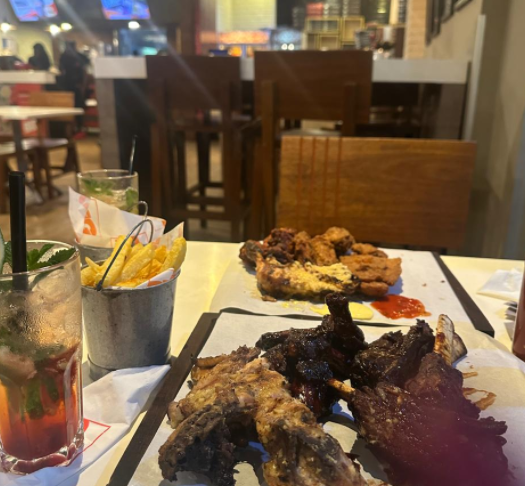
One study showed that overweight and obese women lost more weight when they consumed the majority of their calories at breakfast time, compared to those who ate most in the evening, even though they were eating the same total number of calories.
Another small study by researchers in the UK found that reducing the amount of time between your first and last meal of the day may lead you to eat fewer calories overall. When healthy but slightly overweight adults delayed their first meal of the day by 1.5 hours and ate their last meal 90 minutes earlier than normal, their energy intake was lower and they saw a drop in body fat compared to a control group, even though they had access to the same amount of food.
Scientists believe that this could be because our circadian rhythms are connected to our how we digest and metabolise our food – an emerging field of research known as chrononutrition.
Eating earlier can help too, as researchers in Spain found that those who ate lunch earlier lost weight or maintained a lower weight more easily than those who ate after 15:00.
We can also reconsider when we snack, as research has also shown that snacking after 21:00 has been linked to high blood sugar and higher levels of bad cholesterol, which could increase the risk of obesity and cardiovascular diseases.
In the US and UK, snacks account for about 25% of our daily energy, so when and what we snack on could affect our health.
How fast we eat
But when we eat isn’t the only time-related issue we need to think about when it comes to food. It’s worth looking at how fast we eat too.
Those who speed through their meals tend to eat more and therefore consume more calories. One study gave participants ice cream and asked them to either eat it quickly – in five minutes, or savour the taste over 30 minutes. Slower eating increased the release of gut hormones that regulate appetite, including GLP-1, the glucagon-like peptide that modern weight loss drugs such as semaglutide mimic to reduce hunger.
It takes 15 minutes for concentrations of a gut hormone called cholecystokinin, which is responsible for early feelings of satiety, to rise to sufficient levels in our bloodstream. It takes 30-60 minutes before GLP-1 and another hormone called peptide tyrosine-tyrosine (PYY) reach their peak levels and reduce our appetite. These then remain elevated for three to five hours. This explains why some of us might prefer a sweet treat immediately after a meal, but the craving goes away if we wait a while.
Slowing down while we eat helps us feel fuller for longer. In one study, participants who ate more slowly also remembered better what they ate and consumed less later on, too. Their brains subsequently showed activity in areas related to fullness and reward.
Changing the structure of the food also changes how quickly it is metabolised. – Sarah Berry
Eating slowly can also change how your blood sugar responds to food. This was shown in a study in which individuals ate a meal in 10 minutes on one day and the same meal in over 20 minutes the next day. When eating faster, the participants showed increased blood sugar, which, over time, can increase the risk of type 2 diabetes.
Food structure
When we eat food, the number of calories we absorb depends on the structure of the food in front of us, as this can determine how easily the nutrients are released.
Take almonds. A handful consists of about 160-170 calories. How much of this we absorb depends on how we eat it. Some of us may absorb the full amount while others will absorb fewer calories despite eating the same number – it all comes down to how we chew the nuts and how they were processed beforehand.
If we carefully chew the almonds, we’ll absorb all the calories; if we only partially chew them, we won’t, says Berry. Our bodies will also extract more calories from ground almonds than whole ones.
Similarly we can eat pureed apple sauce much quicker than a whole apple for instance, which then also changes how full we feel.
Berry says this also explains why we tend to consume more calories when eating ultra-processed food, which can lead to weight gain. Changing the structure of the food changes its texture, how quickly it is metabolised, where it is metabolised, and where the nutrients are absorbed.