Black tax: Why many millennials are struggling financially
By Valerian Khakayi, May 19, 2026For many young Kenyans today, the paycheque rarely feels like it belongs to them alone. Before rent, before food, before savings or even a small treat, there is already a list waiting: parents, siblings, school fees for a younger brother, hospital bills for an aunt, or a cousin who just got “something small to start a business”.
This quiet expectation is what many now call the ‘black tax’, the financial responsibility that young people carry to support their families, even as they try to build their own lives. And in Kenya today, where the cost of living keeps rising, that burden is becoming heavier than ever.
A simple salary that once felt manageable now disappears within days. Rent in cities like Nairobi has gone up, transport keeps fluctuating, food prices are unpredictable, and even basic items like cooking oil and unga are no longer stable.
For many millennial workers, what remains after deductions is often already spoken for.
One young professional describes it simply: “You don’t even reach mid-month. The money already has meetings you were not invited to.”
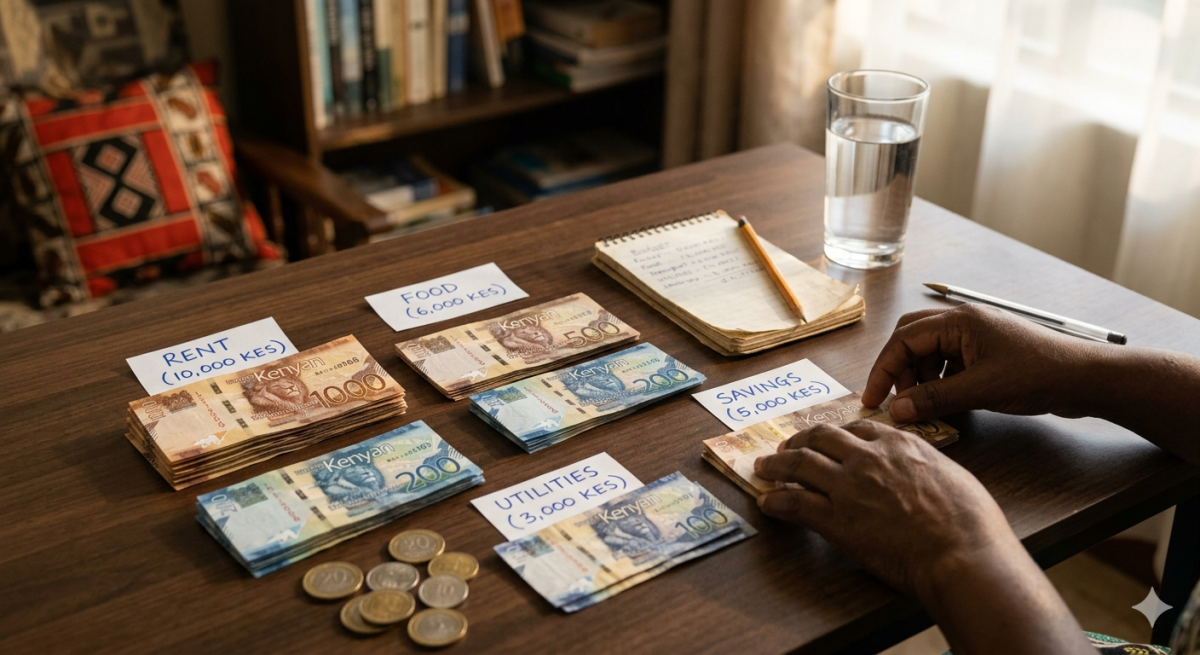
The pressure is not always loud. Sometimes it comes through a phone call from home that starts with “We are just asking for help.” Other times it is silent expectation, because as the firstborn or the one with a job, you are automatically seen as the backup plan for the whole family.
While supporting family is rooted in love and culture, many young people are now struggling to balance it with survival. Some delay their own plans, further studies, business ideas, or even marriage because their income is already stretched thin.
The emotional weight is real too. There is pride in helping, but also exhaustion. Some feel guilty when they cannot send money. Others quietly borrow loans just to meet expectations, sinking deeper into financial stress.
Economists and financial experts have linked this growing strain partly to Kenya’s rising cost of living, unemployment pressures, and stagnant wages that do not match inflation. In such an environment, even basic financial independence becomes difficult.
Yet, the black tax is not just an economic issue, it is also cultural. In many Kenyan households, success is not individual. When one person rises, the whole family rises with them. That belief is beautiful, but in today’s economy, it is also becoming a heavy weight for a generation trying to find balance.
For many millennials, the question is no longer whether to support family, but how to do it without losing themselves in the process.