5 diseases you risk contracting by smoking bhang
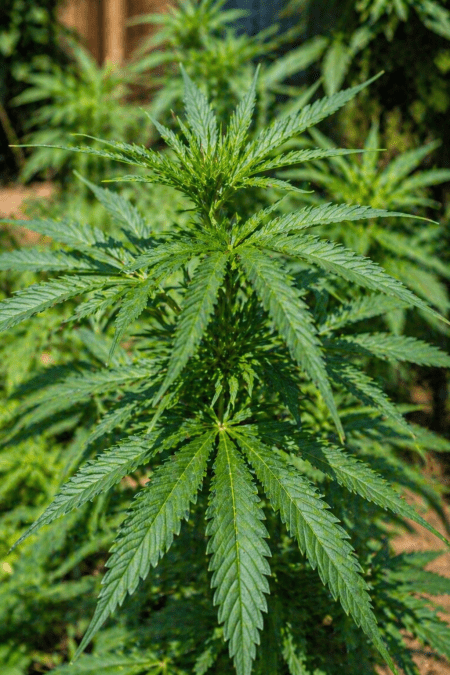
By David Nthua, May 19, 2026Bhang smoking has been there for decades and Kenya, just like other countries in the world appear in a dilemma on whether or not to legalise it.
In most towns and estates in Kenya, the substance is used in discreet and unless one has intel of who is using it, when and where.
That notwithstanding, medical experts continue to warn that prolonged cannabis smoking carries serious health risks that affect both the body and mind.
Many users often perceive bhang as harmless compared to other drugs because it is plant based and socially normalised in some circles.
Yet beneath the relaxed feeling and temporary euphoria lies a growing list of diseases and disorders linked to frequent use.
Respiratory diseases
One of the biggest organs affected by bhang smoking is the respiratory system. The smoke inhaled from cannabis contains many toxic chemicals and irritants similar to those found in tobacco.
Over time, this damages the lungs and breathing pathways.
Heavy smokers are at risk of developing chronic bronchitis, a condition that causes persistent coughing, chest discomfort, wheezing and excessive mucus production.
Some users wake up every morning with deep coughs that gradually become part of their daily routine without realising the lungs are under stress.
Doctors also warn that long term smoking can contribute to Chronic Obstructive Pulmonary Disease commonly known as COPD.
This disease slowly reduces lung function, making breathing difficult and limiting physical activity. In severe cases, even walking short distances becomes exhausting.
The heat and toxins from cannabis smoke can also injure the lining of the airways, weakening the lungs’ natural defence mechanisms.
This exposes smokers to infections such as pneumonia and recurring respiratory illnesses.
Cardiovascular and vascular diseases
Beyond the lungs, bhang also affects the heart and blood vessels. Moments after smoking, heart rate and blood pressure may rise sharply.
While younger users may dismiss this effect, health specialists say repeated exposure increases the risk of cardiovascular complications.
Studies have linked regular cannabis smoking to heart disease and heart attacks, particularly among people with underlying conditions.
There is also growing evidence connecting heavy use to stroke and abnormal heart rhythms.
Some patients experience chest pains, dizziness or sudden fatigue shortly after smoking.
Medical experts warn that these symptoms should never be ignored because they may signal serious cardiovascular stress.
Gastrointestinal Diseases
The digestive system is not spared either. Doctors have identified a condition known as Cannabinoid Hyperemesis Syndrome among long term users.
The disorder causes repeated cycles of severe vomiting, nausea and stomach pain.
Ironically, many victims temporarily ease the symptoms by taking long hot showers or baths.
The condition is becoming increasingly recognised in hospitals worldwide as cannabis use rises among young adults.
Some patients lose weight rapidly because they cannot retain food or fluids during severe episodes.
In extreme situations, dehydration may require emergency medical attention.
Mental health and neurological disorders
Mental health experts are equally concerned about the impact of bhang on the brain.
Cannabis directly alters brain chemistry and affects how the nervous system functions.
For some people, especially young users whose brains are still developing, the effects can become severe.
Psychotic episodes marked by paranoia, confusion and hallucinations have been associated with intoxication from strong cannabis strains.
In individuals genetically predisposed to mental illness, frequent use may increase the risk of schizophrenia.
Another growing concern is Cannabis Use Disorder.
This happens when a person becomes dependent on the drug and struggles to stop using it despite the damage it causes to relationships, finances, education or health.
What begins as occasional recreation can quietly evolve into addiction.
Families and friends often notice behavioural changes first. A once active and focused person may gradually become withdrawn, emotionally unstable or unmotivated.
Immune system suppression
Medical experts also warn that the primary psychoactive compound in cannabis, known as THC, may weaken the immune system when used heavily over long periods.
This suppression reduces the body’s ability to fight infections effectively. Smokers may become more vulnerable to respiratory illnesses, chest infections and slower recovery from common diseases.
The lungs are particularly affected because cannabis smoke weakens the respiratory tract’s protective barriers.
Once these natural defences are damaged, bacteria and viruses can enter the body more easily.
Supporters of cannabis legalisation often argue for its medicinal value and economic potential.
However, health professionals insist that public conversations around bhang should also include honest discussions about its dangers.
As the debate continues in Kenya and across the world, one fact remains clear.
Smoking bhang is not without consequences, and the body often keeps the score long after the smoke disappears.