Step-by-step guide to learning how to swim as festive season approaches
By William Muthama, December 6, 2025Swimming is an essential life skill that promotes fitness, confidence, and safety in water. For beginners, learning to swim can feel exciting but also intimidating.
With the right approach, anyone can master the basics safely and confidently. It is always best to start in shallow water where you can comfortably stand.
This allows you to get used to the sensation of water on your body without feeling overwhelmed.
Beginners should begin by walking in the water, splashing lightly, and practising blowing bubbles, which helps develop basic breath control and comfort in a new environment.
Also watch: Two children aged five and eleven die after snake bites while swimming
Learn with guidance
Learning with someone experienced is crucial. A skilled swimmer or instructor can guide you through the initial stages, correct mistakes, and ensure safety at all times.
Having support nearby not only reduces the risk of accidents but also boosts confidence as you build your skills.
Master floating techniques
One of the most important skills for beginners is floating. Floating on your back or stomach teaches balance and builds confidence in the water.
When floating on your back, lie relaxed with your head slightly tilted so that your ears are underwater while your face stays above.
Keep your arms at your sides or stretched out, and allow your legs to remain loose.
Controlled breathing is key. Inhale slowly through your nose or mouth and exhale gently. Staying relaxed helps your chest and hips remain near the surface.
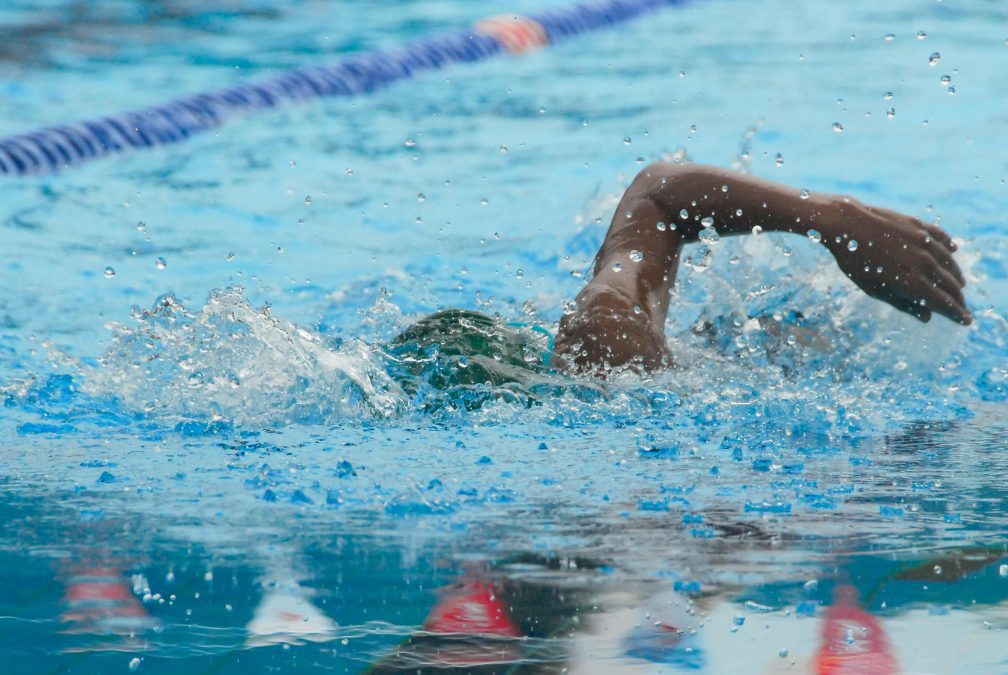
For a stomach float, extend your arms forward, keep your body straight, and turn your head to the side to breathe.
Gentle leg or arm movements can help stabilise you without disrupting your rhythm.
Practice kicking strokes
Once comfortable floating, start practising kicking and basic arm movements. Hold onto the pool edge or a kickboard to strengthen your legs, then gradually combine kicks with simple strokes like front crawl or breaststroke.
As confidence grows, you can move into slightly deeper water under supervision.
Also watch: Gatundu tragedy: Elderly man drowns trying to save grandson from river
Use floatation devices
Using beginner-friendly tools such as floatation belts, kickboards, or swim fins can help maintain buoyancy while learning. However, gradually reducing reliance on these aids is important to build independence.
Regular practice, patience, and relaxation are the keys to success. Short, consistent sessions help reinforce skills, and staying calm in the water ensures you can float, kick, and swim effectively.
Following these steps will allow beginners to safely develop swimming skills while building confidence and enjoying the water.