Murife run!: 5 scams Kenyans should not fall for in 2026
By David Nthua, January 3, 2026Every new year comes with hope, pressure, and the urge to make things work faster. As 2026 begins, many Kenyans are chasing better lives, quick wins, and financial breathing space.
Scammers know this too well. They understand the country’s mood, the desperation, and the shortcuts people are tempted to take.
That is why murife run is not just street language. It is a warning.
Below are five scams that have become more sophisticated, more convincing, and more dangerous in 2026.
1. Betting odds that promise guaranteed wins
Scammers know millions of Kenyans are in the quick-rich game, and betting sits at the centre of it. They understand how deeply betting culture has spread, especially among young people.

That is why fake odds sellers have upgraded. Some now operate from fancy offices, others have well-designed apps, Telegram channels, and customer care lines.
They sell “sure odds”, “fixed games”, or “VIP international matches”. The truth is simple. Most games, especially international ones, are extremely hard to predict.
Fixed results are rare and tightly controlled. If someone truly had access to guaranteed outcomes, they would not be selling Ksh500 tickets on WhatsApp.
They would be silent and rich. Selling betting odds is hope packaged as a business.
2. M-Pesa Fuliza and Hustler Fund limit increase scams
Kenyans want loans, and scammers know it. Instead of following the advice of financial experts on improving credit limits through consistent repayment and good usage behaviour, many people believe a stranger somewhere in Juja can access Safaricom’s databases and “do the magic”.
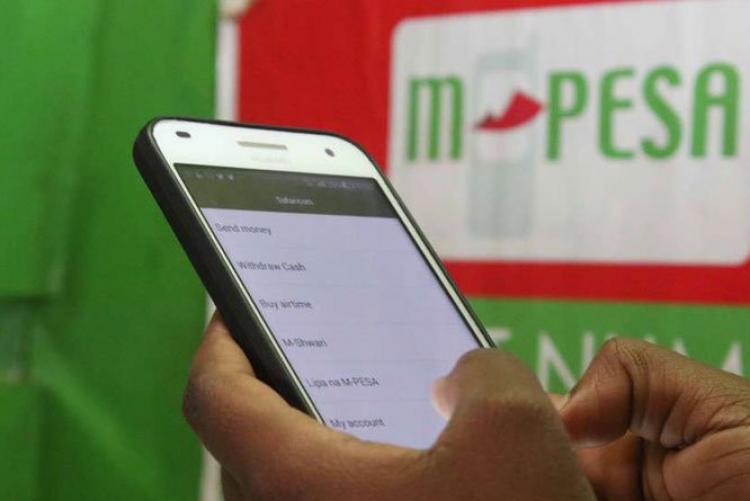
You are told to pay a small facilitation fee, send your ID number, or wait for a system update. Uongo hiyo. Flat lie.
The system generates Fuliza and Hustler Fund limits. No human being manually increases them. Once you send that money, you will either be blocked or kept waiting forever.
A person sleeping on a mattress in Juja, smoking kindukulu, should not lie to you that it is humanly possible to influence credit limits. Even Peter Ndegwa, the CEO of Safaricom PLC, cannot influence one’s credit limit.
3. Buying spying apps
Another growing scam involves apps that claim to spy on partners, employees, or even children.
They promise access to WhatsApp messages, calls, locations, and deleted chats, probably for those in love. These ads flood Facebook, Instagram, and Telegram.
What many Kenyans do not realise is that most of these apps do not work. Some are just fake dashboards. Others are malware designed to steal your data, lock your phone, or access your accounts. Worse still, spying on someone without consent is illegal. In trying to spy, you end up exposing yourself.
4. Sexual enlargement and libido-boosting products
This is one of the oldest scams, but it refuses to die. In 2026, it will have simply moved to Telegram.
Sellers post “tangible evidence, fake testimonials, and shocking claims. They promise that your Tharaka Nithi will increase to 6 inches, last 16 rounds, and change your life forever.
Uongo uongo uongo. No medically approved cream, pill, oil, or injection permanently enlarges sexual organs. Many of these products are unregulated and dangerous.
After you send that Ksh130 or Ksh500, you are blocked immediately. Shame and silence then keep victims quiet.

5. Crypto and carding get-rich-quick schemes
Crypto scams and carding are now disguised as mentorship programs, AI trading bots, or exclusive groups.
You are promised fast returns with little effort. Screenshots of profits are shared daily to pressure you.
The reality is that legitimate investments never guarantee profits.
Carding is also illegal and exposes participants to arrests, frozen accounts, and permanent records.
Many young Kenyans have lost savings and opportunities chasing lifestyles sold online.
In 2026, survival is not about being clever. It is about being cautious. If something sounds too easy, too fast, or too perfect, it probably is.