How to check if a title deed is genuine in Kenya
By William Muthama, December 14, 2025Whether buying property or verifying your own land, confirming the authenticity of a title deed is crucial in Kenya, where land fraud remains a common concern.
Ensuring the deed is genuine protects you from costly scams, legal disputes, and future encumbrances.
Online verification
For counties with digitised land registries, the Ministry of Lands’ Ardhisasa platform (ardhisasa.lands.go.ke) is the recommended tool.
The process is straightforward: register or log in using your National ID, phone number, and email, and verify via OTP. New users may need to upload a copy of their ID for KYC verification.
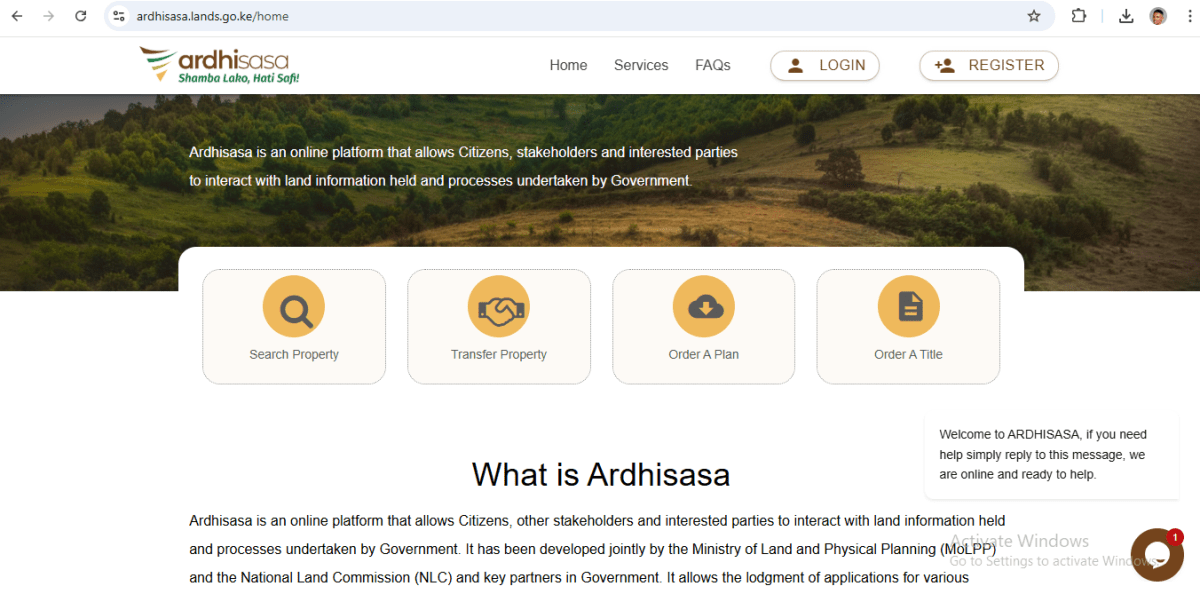
On the dashboard, select “Search Property” or “Land Search,” enter the title deed number (e.g., LR No. or FR No.), pay the Ksh 500 fee via M-Pesa or card, and submit.
The system will generate an official search certificate showing the land size, current owner, and status. If these details match the physical title deed, it is likely genuine.
Note that not all counties are digitised, so check availability before relying solely on the platform.
Manual verification
For areas not yet digitised or for extra assurance, visit the relevant county land registry office, such as Ardhi House in Nairobi.
Request an official search (using Form RL26 or equivalent), provide a copy of the title deed and your ID, and pay a fee of Ksh500.

Results are typically available within 1–3 days or up to a week. Always cross-check the search certificate against the physical title deed to ensure consistency.
Spotting fake deeds
Even before an official search, inspect the title deed carefully. Genuine deeds have thick, high-quality paper with watermarks, embossed seals, and microtext. Official elements include signatures from the Chief Land Registrar, red stamps, and clear parcel details.
Generally speaking, a fake title deed will have inconsistencies such as incorrect land size, a mismatched location, or a wrong owner’s name. Look out for mistakes in the land details or suspicious signatures.
If anything seems off, have it checked directly at the Ministry of Lands. Red flags also include thin or faded paper, missing seals, mismatched serial numbers, and spelling errors.
Extra due diligence
Hiring a lawyer or advocate can help manage searches, spot irregularities, and ensure safe transactions. A licensed surveyor can verify that land boundaries match the deed plan from the Survey of Kenya.
Physical site visits are also essential to confirm that the land exists as described. Additionally, official searches reveal encumbrances such as loans, disputes, or restrictions, which are critical to know before buying.
Whether purchasing property or confirming your own, taking these steps ensures that the title deed is genuine, reducing the risk of fraud and protecting your investment.
Always prioritise verification before signing agreements or making payments.