5 foods to avoid in 2026 if you want to lose weight
By David Nthua, January 3, 2026Weight loss, despite the lack of tangible evidence tied to resolutions, is one of the goals many Kenyans wrote down as they entered 2026.
The desire to lose weight is a positive step, and few people can reject it, because the individual stands to benefit by reducing the risk of diabetes, heart disease, and high blood pressure, among other conditions.
However, experts agree that weight loss is not about starving or following trends. It is largely about daily food choices.

According to the World Health Organisation, unhealthy diets are a major contributor to obesity and non-communicable diseases globally, including in Africa.
Below are five foods experts commonly advise limiting or avoiding for weight loss.
1. Processed sugary drinks
Sodas, packaged juices, and energy drinks are widely consumed in Kenya, especially in urban areas.
According to the World Health Organisation, sugary drinks are a leading source of added sugars and provide high calories with very little nutritional value.
A 2022 WHO nutrition brief noted that regular intake of sugar-sweetened beverages is strongly associated with weight gain and obesity.
Nutritionist Catherine Gichinga, speaking to local media in 2023, explained that liquid calories do not make people feel full, causing them to eat more later.
Replacing sugary drinks with water, lemon water, or unsweetened tea can significantly support weight loss.
2. White bread and refined flour products
White bread, mandazis, chapatis made from refined flour, and cakes are everyday staples.
According to a 2021 study published in the American Journal of Clinical Nutrition, refined carbohydrates spike blood sugar levels quickly, leading to increased hunger shortly after eating.
Kenyan dietitian Leah Wambui has previously noted that refined flour lacks fibre, which is essential for digestion and satiety.
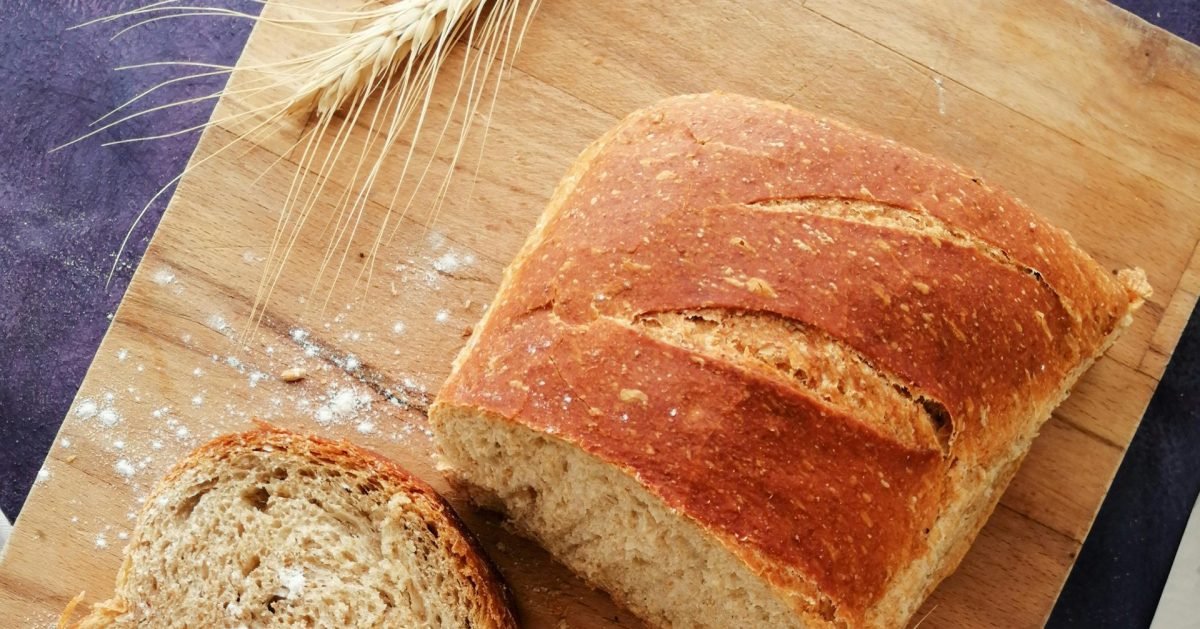
Whole-grain alternatives like whole-wheat flour, brown rice, and traditional foods like millet and sorghum help people stay fuller for longer.
3. Deep-fried street foods
Foods such as chips, samosas, bhajias, and fried sausages are convenient and affordable, but they are calorie-dense.
According to the British Heart Foundation, deep-fried foods absorb large amounts of oil, significantly increasing calorie intake and unhealthy fat consumption.
A 2020 review published in The BMJ linked frequent consumption of fried foods with increased risk of weight gain and cardiovascular disease.
Limiting fried foods and choosing grilled, boiled, or roasted options supports healthier weight management.
4. Processed meats
Sausages, smokies, bacon, and some packaged meats are popular in Kenya.
According to the World Health Organisation’s International Agency for Research on Cancer, processed meats are high in saturated fats and preservatives, which contribute to weight gain and other health risks.
A 2019 study in Public Health Nutrition found that diets high in processed meats were associated with higher body mass index.
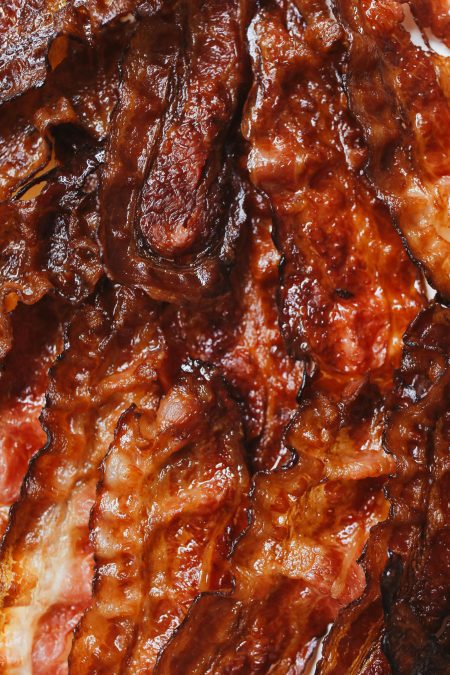
Lean proteins such as beans, lentils, eggs, fish, and traditional legumes are better options for weight control.
5. Late-night heavy meals
Eating large meals late at night is common due to long working hours. According to sleep and nutrition research published by Harvard Medical School in 2022, late-night eating disrupts metabolism and increases fat storage.
Local health experts advise finishing the last heavy meal at least two to three hours before bedtime.
Light dinners focused on vegetables and lean protein support better digestion and weight loss.
In 2026, sustainable weight loss for Kenyans lies in informed choices, not extremes.
Avoiding or reducing these foods, while focusing on balance, consistency, and local nutritious options, makes weight loss safer and more achievable.