Why are people having facial injections made from fish sperm?
By BBC, November 23, 2025In my many years as a journalist, I never thought I would be asking someone how it feels to have trout sperm injected into their face.
And yet, here I am. Abby is lying on a large, black padded chair at a small aesthetics clinic in South Manchester.
She winces as a small cannula is delicately inserted into her cheek.
“Ouch. Ouch,” she exclaims.
I should make it clear that 29-year-old Abby is not actually receiving a pure dose of trout sperm.

The lower part of her face is being injected with tiny fragments of DNA, known as polynucleotides, which have been extracted from either trout or salmon sperm.
Why? Well, interestingly, our DNA is pretty similar to that of a fish.
So the hope is that Abby’s body will not only welcome these tiny strands of fish DNA, but her skin cells will be spurred into action, producing more collagen and elastin, two proteins that are vital for maintaining the structural integrity of our skin.
For Abby, the aim is to freshen her skin, keep it healthy, and hopefully, treat the acne she’s lived with for many years by reducing scarring and redness.
“I just want to target those problem areas,” she explains.
Polynucleotides are being touted as the next big skincare “miracle” and are rapidly gaining popularity after a number of celebrities have spoken candidly about their “salmon sperm facials”.
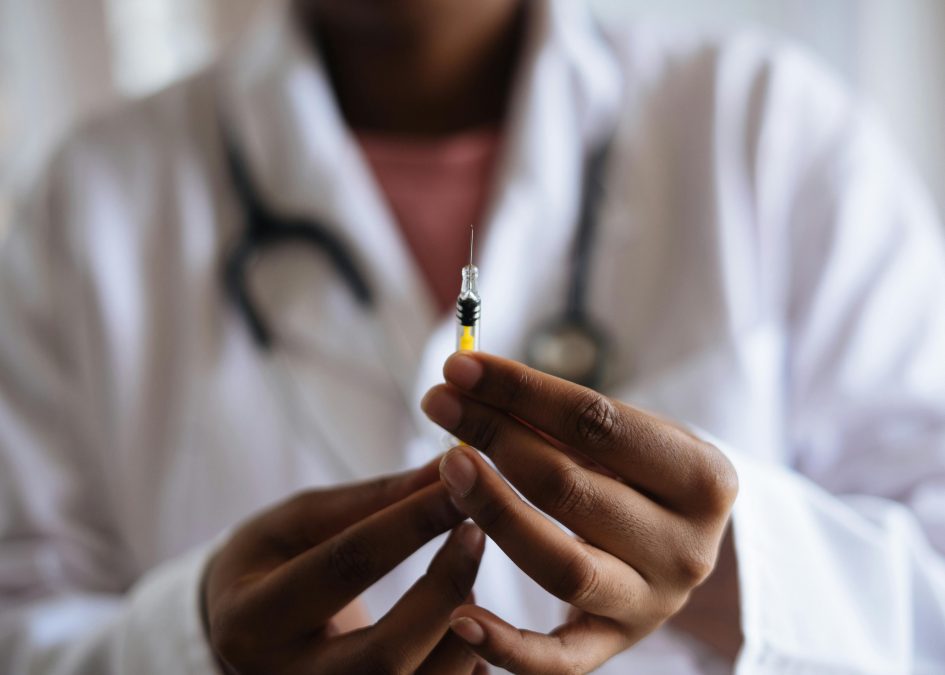
Earlier this year, Charli XCX told her nine million Instagram followers that she felt “fillers are kind of over now”, and explained she had moved onto polynucleotides, which are “kinda like deep vitamins”.
Kim and Khloe Kardashian are also reportedly avid fans. And when asked about her skincare routine on a recent episode of Jimmy Kimmel Live, Jennifer Aniston responded: “Don’t I have beautiful salmon skin?”
So, despite their fishy beginnings, are polynucleotides transforming skincare?
“We are having a Benjamin Button moment,” Suzanne Mansfield, who works for aesthetics company Dermafocus, tells me.
That’s a reference to the 2008 film The Curious Case of Benjamin Button, where Brad Pitt plays a man who ages backwards. By the time he’s in his later years, he has the skin of a baby’s bottom.
While such an effect is highly unlikely and would probably be a tad disconcerting, Ms Mansfield says polynucleotides are forging the way when it comes to regenerative skincare.
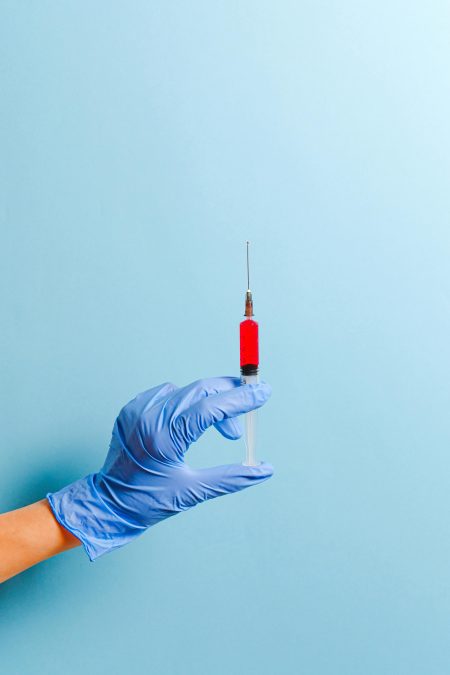
A small but growing body of research and clinical trials suggests that injecting polynucleotides can rejuvenate skin, not only making it healthier but potentially reducing fine lines, wrinkles, and scars.
“All we are doing, by using it in the aesthetics industry,” she says, “is enhancing something the body already does. That’s why these are so special.”
But they also come with a pretty hefty price tag.
A single session of polynucleotide injections can cost anywhere from Ksh 34000 to Ksh84500 – and it’s recommended you have three of these over several weeks.
After that, clinics tend to advise that you need to top up every six to nine months to maintain the look.
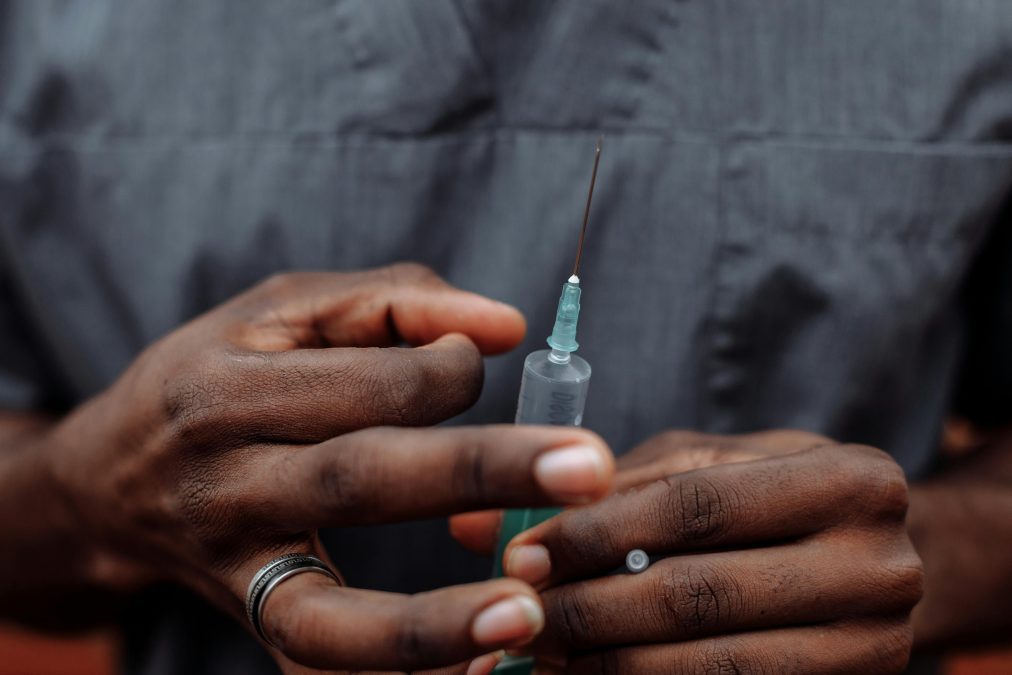
Back at the clinic, Abby’s treatment is almost finished.
“Just one area left,” Helena Dunk, the aesthetic nurse practitioner who owns the clinic, Skin HD, reassures her.
She says polynucleotides have massively increased in popularity over the past 18 months.
“Half my clients really notice a huge difference – their skin feels more hydrated, healthier, younger – while the other half don’t see such a big change. But their skin does tend to feel tighter and fresher.”
Abby has already had the area under her eyes injected as part of a three-course treatment at the clinic – and she’s really pleased with the results.
She received lots of tiny injections of polynucleotides, which was a “pretty painful procedure”, but says it’s helped reduce the dark circles under her eyes.