Victor Kanyari: Controversies, family, and the man behind Salvation Healing Ministries
By Steve Ireri, November 24, 2025The passing of his ex-wife, Betty Bayo, has once again thrust Victor Kanyari, head pastor of Salvation Healing Ministries, into the public spotlight, reminding many Kenyans of both his spiritual influence and the controversies that have surrounded his ministry over the years.
Though Kanyari had often kept a low profile in recent years, the attention around Betty’s funeral and her celebrated legacy has reignited curiosity about the man whose life has intertwined faith, family, and public scrutiny.
Also Watch: Gospel Industry Mourns Death of Renowned Singer Betty Bayo
Victor Kanyari was born in 1983 and grew up in Nairobi, where his formative years were heavily influenced by his mother, Lucy Nduta, a self-proclaimed prophetess known for her unconventional spiritual practices.
Nduta gained public attention for various controversial prophecies and claims of divine visions that occasionally drew criticism from church leaders and the media alike.
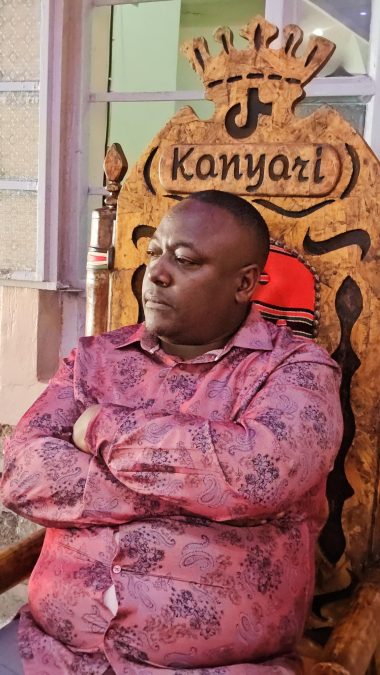
Kanyari has often acknowledged that his mother’s spiritual authority shaped his early understanding of ministry, instilling in him both confidence and a penchant for bold preaching.
Kanyari established Salvation Healing Ministries in 2010, quickly drawing followers with his energetic sermons and claims of spiritual breakthroughs.
His church became a hub for worshippers seeking miracles, deliverance, and guidance, combining dynamic preaching with faith-based healing sessions.
While the church’s popularity grew, so did scrutiny, with several allegations of impropriety arising over the years.
In 2014, the “Mbegu ya 310” campaign became a focal point of criticism, where congregants were asked to contribute Ksh310 for blessings.
Netizens camped on the matter, and while he later shared that the campaign disproportionately benefited Kanyari financially, it ignited debates about ethics and exploitation in spiritual leadership.
Personal life
Perhaps the most tragic moment in Kanyari’s family life came in 2021 when his sister was found deceased in an Airbnb located in South B, Nairobi.
She had been visiting the city for personal reasons, and her sudden passing shocked both family and friends. Kanyari described her death as devastating, noting that it left a profound void in his personal and spiritual life.
He also revealed that she had been close to him, often assisting him in church, and her loss was felt keenly by congregants who had come to know her as a quiet but supportive presence in his ministry.

Beyond family tragedies, Kanyari’s public life has been marked by repeated controversies. Reports of staged miracles, financial mismanagement, and questions about the authenticity of his healing services have followed him for over a decade.
Despite these challenges, his church has remained active, and Kanyari has continued preaching, balancing public scepticism with a loyal congregation that values his teachings and spiritual guidance.
Betty Bayo’s death
The passing of Betty Bayo in 2025, however, brought Kanyari briefly back into headlines for different reasons. Betty, a renowned gospel singer and his former spouse, had touched many lives through her music and ministry.
The public reflections on her life naturally involved Kanyari, who had shared both personal and professional history with her.
Many people revisited both his spiritual influence and the personal losses he has endured, including the untimely death of his sister.
Today, Salvation Healing Ministries remains a dynamic institution under Kanyari’s leadership.
He continues to preach, focusing on healing, empowerment, and faith-based guidance, while striving to manage the dual pressures of public scrutiny and private grief.