Inside Faith Odhiambo’s stormy 40-day tenure at Ruto’s compensation panel
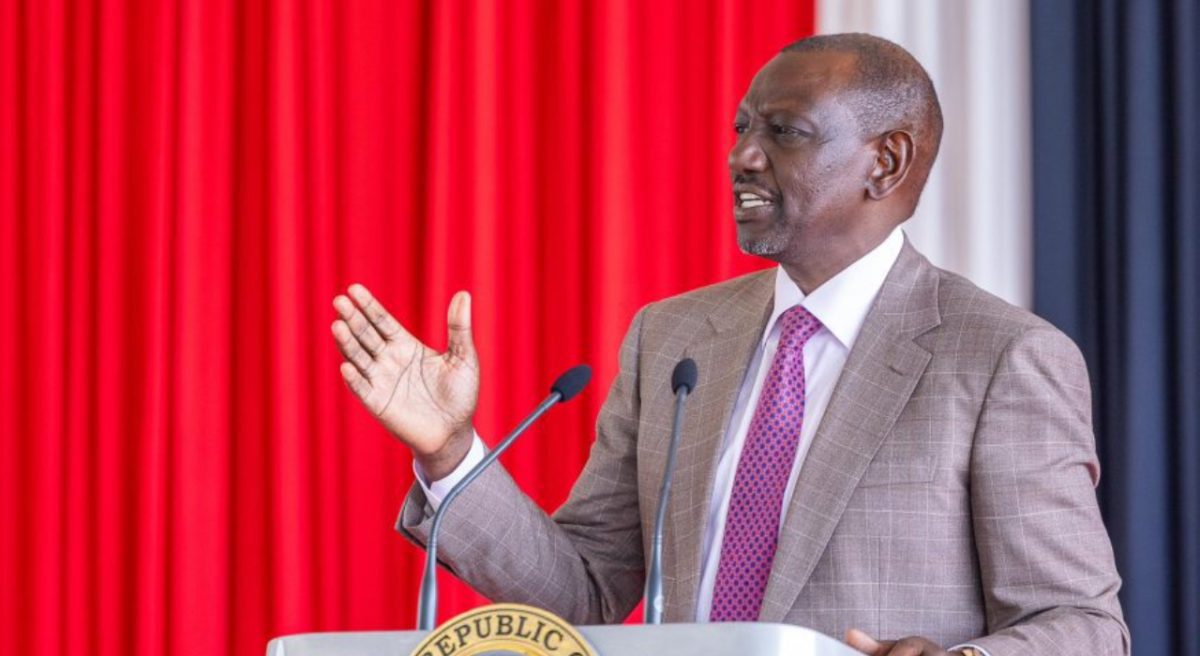
By Aloys Michael, October 7, 2025When President William Ruto appointed the Panel of Experts on Compensation of Victims of Demonstrations and Public Protests on August 26, 2025, it was hailed as a historic move, a formal recognition of the suffering endured by Kenyans during periods of civil unrest, and a promise of justice to victims of police brutality.
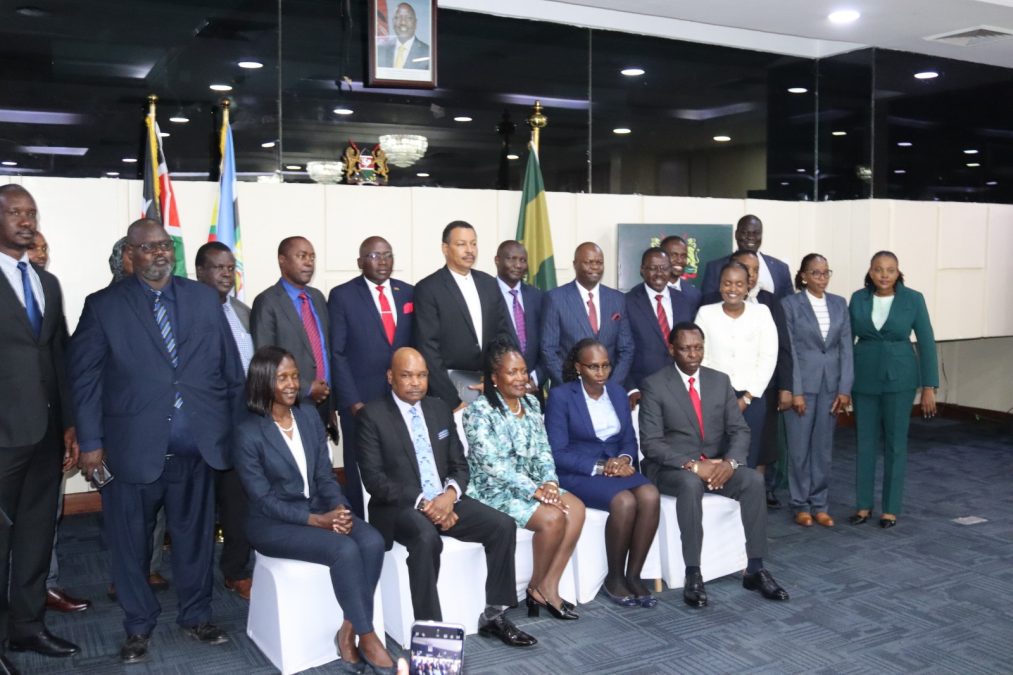
Among the high-profile appointees was Law Society of Kenya (LSK) President Faith Odhiambo, named Vice Chairperson of the panel.
Also Watch: LSK president Faith Odhiambo resigns from victims compensation panel
But just 40 days later, on October 6, 2025, Odhiambo resigned, a move that capped a brief, controversial, and ultimately unproductive tenure.
Her resignation came amid a cloud of legal battles, public skepticism, and growing disillusionment about the panel’s effectiveness.
Critics such as Third Way Alliance Party leader Ekuru Aukot and former LSK boss Nelson Havi had raised questions from the outset about the legality and independence of the process, while civil society groups accused the government of using the panel as a public relations tool rather than a genuine mechanism for justice.
Why back off panel?
In her resignation statement, the LSK boss cited the slow progress of the panel’s work, largely caused by a court-ordered suspension, as a key reason for stepping down.
“I have taken this step after careful consideration of the challenges facing the panel and the limited time remaining to fulfill its mandate,” she said.
Also Watch: Faith Odhiambo clarifies her role in Ruto’s protest victims panel amid court order
The High Court in Kerugoya had halted the panel’s operations after a legal challenge questioned the constitutionality of its establishment through a presidential directive. Justice Kizito Magare issued a conservatory order on September 11, 2025, suspending the implementation of the panel’s mandate, stating the application challenging the legality was urgent and merited judicial scrutiny.
Odhiambo, in turn, made it clear that she respected the court’s authority and had not participated in any official work of the panel since the swearing-in.
“It is my solemn patriotic duty and obligation to respect, uphold, and defend the Constitution of Kenya. Let it be clear that apart from the swearing-in, I have not participated in any meetings or engagements with or for the Panel,” she stated earlier in September 2025.
A Panel in Quagmire
The panel was originally given a 120-day window to operate, a tight timeline for a task as complex and emotionally charged as compensating victims of state violence. But with legal proceedings eating into more than a third of that time, Odhiambo argued the panel had become a non-starter.
“Time is of the essence in matters of justice. Unfortunately, with the court proceedings ongoing and no clear path forward, we cannot deliver meaningful outcomes to the victims who continue to wait for redress,” she wrote in her resignation.
Also Watch: Makau Mutua to Faith Odhiambo critics: only weak men attack women
But even before the court suspension, public criticism had mounted over the panel’s composition and perceived lack of independence.
Odhiambo, despite her respected legal credentials and her role in the Gen Z movement, faced pressure from within the legal community over the wisdom of joining a panel tied to the Executive.
“After many years since similar actions by Mutula Kilonzo and Fred Ojiambo as Chairs of LSK, Faith Odhiambo has handed over LSK to the Executive, confirming that she has all along been a State project at Gitanga Road. That has been my position since her tenure in my Council,” Havi posted.
Ouster threat
Moreover, the grill did not stop there as lawyer Levy Munyeri threatened to move a motion for her removal from office, arguing that her dual role undermines the LSK’s credibility.
In a letter addressed to Odhiambo, Munyeri said the panel duplicates the constitutional functions of the Kenya National Commission on Human Rights (KNCHR) as provided under Article 59 of the Constitution. He also recalled that in 2024, Odhiambo had declined a separate state appointment on grounds of unconstitutionality, questioning why she had not applied the same reasoning in this case.
Odhiambo, however, defended her position during her swearing-in. She assured members of the legal profession and the public that her participation would not compromise her duty as LSK president.
“The bloodshed of our comrades must not be in vain. This effort is victim-centred, impartial and nonpartisan,” she stated, promising to step aside if the panel lost its focus.

Lawyer Ndegwa Njiru on Sunday, September 7, 2025, also dismissed the panel as a “committee of deceit,” insisting that under Article 23 of the Constitution, only the High Court can grant relief. Other legal scholars have also questioned the panel’s authority and warned that it may set a dangerous precedent where governments compensate victims of state violence instead of addressing accountability.
Reaction to resignation
Amid the mixed reactions after departure, with leaders such as Embakasi North MP James Gakuya saying the LSK boss now has a chance to relieve herself, for Odhiambo, the weight of these concerns became impossible to ignore.
“My oath of office as LSK President compels me to safeguard the independence of the Law Society and the sanctity of legal processes. Remaining on this panel would compromise that,” she said.
Though she has left the panel, Odhiambo insists that her commitment to victims remains unchanged. In her resignation, she announced a renewed push by the LSK to take up victims’ cases directly, leveraging legal channels and partnerships with civil society.
“We must not wait for flawed panels or suspended processes to stand in the way of justice. The Law Society will intensify efforts to assist victims through legal representation, policy advocacy, and the development of new legislative proposals,” she said.