Advertisement
Took our breath away! BBC’s Blood Parliament documentary wins prestigious award
05th March, 2026 10:56 PM
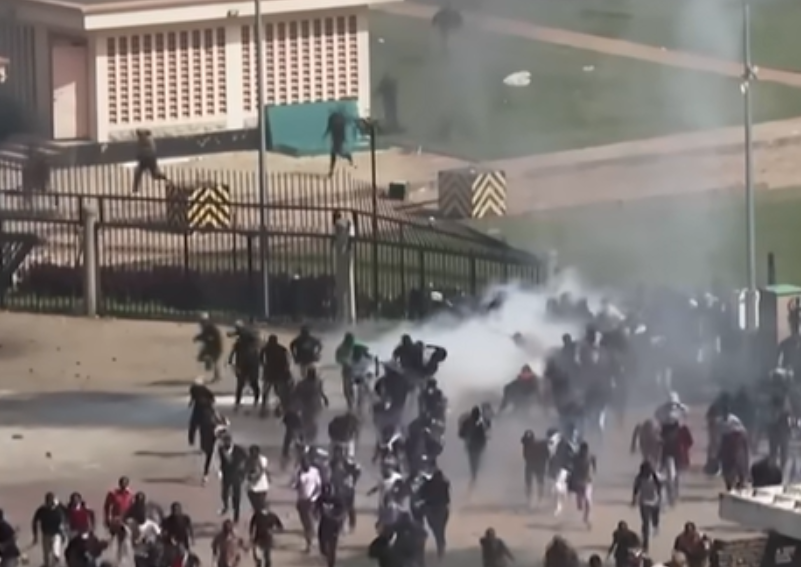
The widely discussed BBC documentary Blood Parliament has added another international accolade to its growing list of recognitions after winning a major award from the Royal Television Society.
The investigative film, produced by BBC Africa Eye, won the Best On-Demand Journalism category at the prestigious awards ceremony. The judges praised the documentary for its powerful storytelling and technical excellence, noting that its combination of visual evidence, graphics and sound design created an experience that left a lasting impression on the jury.
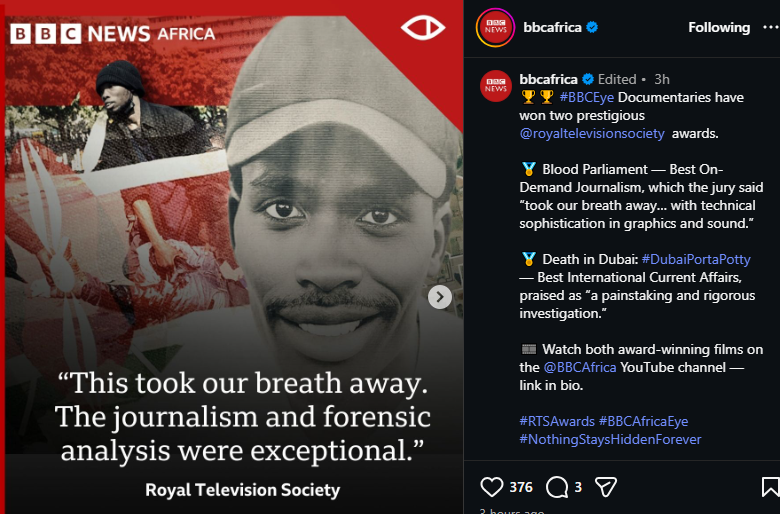
The award was announced on Thursday, March 5, 2026, when BBC Africa shared the news online, revealing that the production had been recognised for its meticulous investigation and compelling presentation.
“🏆🏆 #BBCEye Documentaries have won two prestigious @royaltelevisionsociety awards. 🏅 Blood Parliament — Best On-Demand Journalism, which the jury said “took our breath away… with technical sophistication in graphics and sound.”🏅 Death in Dubai: #DubaiPortaPotty — Best International Current Affairs, praised as “a painstaking and rigorous investigation.”BBC Africa shared.
But the recognition comes after a turbulent journey for the documentary, which sparked national debate, government criticism and even arrests in Kenya.
Documentary that shook the world
Released on April 28, 2025, Blood Parliament investigates the fatal shootings of protesters outside Kenya’s parliament during demonstrations against the controversial Finance Bill on June 25, 2024.
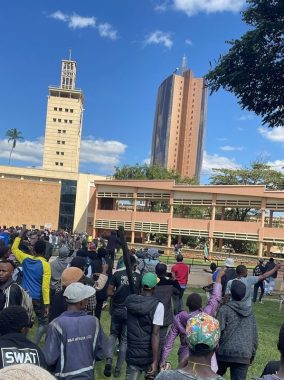
That day, thousands of mainly young Kenyans poured into the streets of Nairobi and other towns to oppose tax increases proposed in the Finance Bill. The protests escalated dramatically when crowds breached security and stormed the parliament compound in Nairobi.
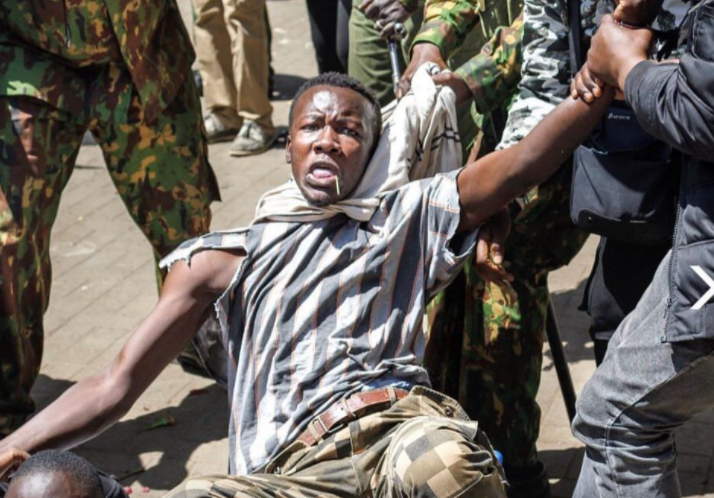
Security forces responded with tear gas, batons and live ammunition. Several protesters were shot dead, and dozens more were injured during the chaotic confrontation.
The BBC investigation reconstructed the events minute by minute using forensic analysis of roughly 5,000 photos and videos recorded by protesters and journalists.
Through this digital detective work, the film identified police officers involved in the fatal shootings of three unarmed demonstrators: Eric Shieni, David Chege and Ericsson Mutisya.
For many viewers, it was the first time the killings had been documented in such detail.
Viral success and global attention
The documentary quickly went viral online. Within days of its release, it had amassed millions of views, becoming one of the most widely watched investigative films about the protests.
Its popularity was fueled by the fact that the 2024 demonstrations had already captured global attention. The protests, largely organised by Gen Z activists on social media, were among the most dramatic political upheavals in Kenya in decades.
For many Kenyans, the film became a digital record of a moment they had lived through in real time, a mix of courage, chaos and anger. The documentary’s slick graphics and detailed reconstructions also made it accessible even to viewers who had not followed the protests closely.
In typical internet fashion, the film was widely shared on social media platforms, where clips from the investigation sparked heated debate, memes and long threads analysing what really happened outside parliament.
Government backlash
Not everyone welcomed the documentary.
Kenyan authorities criticised the film, accusing it of presenting a one-sided narrative. Government spokesperson Isaac Mwaura argued that the documentary failed to show the full context of the protests, including the destruction that occurred at parliament.
Some politicians went further, with calls for the BBC’s licence in Kenya to be revoked.
The controversy intensified when authorities reportedly blocked a planned private screening and discussion event shortly after the documentary’s release.
Human rights organisations and civil society groups quickly defended the investigation, arguing that it raised important questions about accountability and police conduct.
Arrests
The tension escalated in May 2025 when police arrested four Kenyan filmmakers in Nairobi, linking them to the documentary.
The group was detained overnight following a raid at their studio in the Karen area before being released on free bond the next day.
The arrests sparked outrage among journalists, activists and media organisations, especially after the BBC clarified that the individuals were not involved in the production of the documentary.
The incident became part of a broader debate about press freedom and the treatment of critics following the protests.