Julio Supercharge explains how blind people experience dreams
By William Muthama, May 2, 2026Content creator and disability advocate Julius Mbura, popularly known as Julio Supercharge, has shared insight into how blind people experience dreams.
Speaking in an interview with Milele FM radio host Jacquey Nyaminde, widely known as Wilbroda, on Saturday, May 2, 2026, Julio said the brain remains active during sleep and continues to construct experiences even without visual input.
“We all dream that the brain is still active when you sleep, it just runs on auto. Our bodies are very powerful people just underuse what the brain can actually do,” he said.
Julio explained that dreams are not limited to what people see, but are built from memory, emotion, and the senses.
For visually impaired people, he noted, dreams are often experienced through sound, touch, and emotional memory rather than visual imagery.
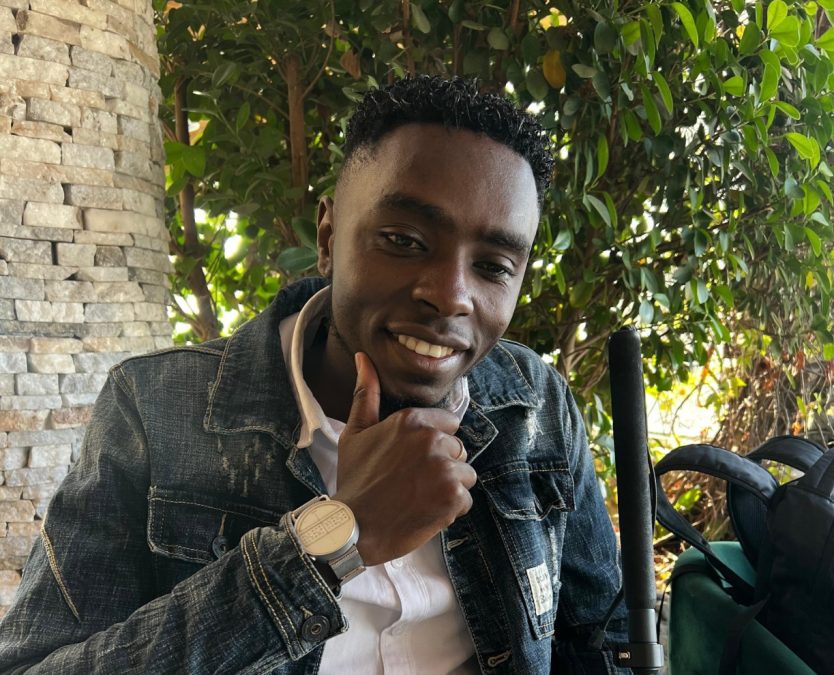
He added that the brain draws from real-life experiences to form these dream sequences, even when sight is not part of a person’s perception.
“For a blind person, the brain doesn’t stop creating experiences. It just uses other senses,” he said.
Different experiences of dreaming
According to Julio, there is a difference between people born blind and those who lose sight later in life.
He said those born blind do not experience visual dreams, while those who lose sight later may still have visual memories that appear in dreams, especially in the early stages of blindness.
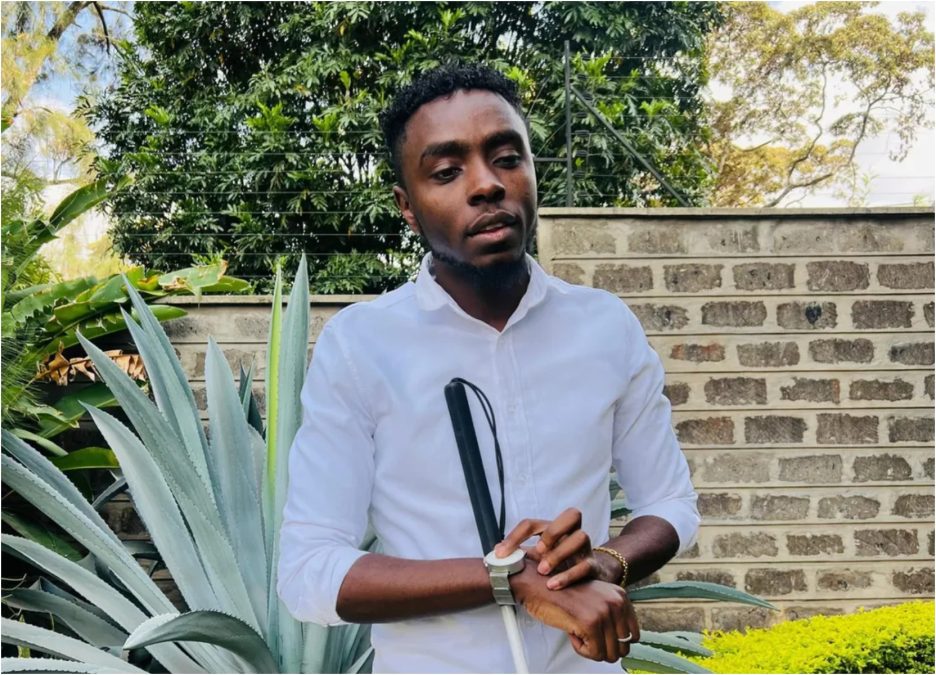
Over time, however, the brain adapts and relies more heavily on other senses.
Julio described dreams as highly creative mental experiences, comparing them to films generated by the mind.
“I have movies in my dreams… full stories the brain creates on its own,” he said.
His explanation reflects broader scientific understanding that the brain remains active during sleep, processing memory, emotion, and sensory information to form dreams.
Julio emphasised that vision is only one part of human perception and not a requirement for dreaming.