How international musicians are profiting from live streaming while Kenyan artistes miss out
By William Muthama, March 10, 2026In recent years, live streaming has become a game‑changer for foreign artistes, offering new revenue streams, direct fan engagement, and even recognition at the highest industry levels.
Platforms like Twitch, YouTube Live, and Kick have allowed artistes to go beyond traditional music releases, turning performances, production sessions, casual interactions, and virtual concerts into profitable and career‑defining moments.
In 2026, the trend has reached new heights, highlighted by PlaqueBoyMax’s historic Grammy nomination as a livestream collaborator, proving that streaming can catapult artists into mainstream prestige.
What once started as occasional gaming streams or Q&A sessions has evolved into a core revenue model for many Western artists. Beyond ad revenue and platform subscriptions, they make money through donations, paid subscriptions, exclusive content, branded merchandise, and direct fan tips during streams.
For many, these livestream platforms now rival or even surpass traditional royalties from streaming services like Spotify or Apple Music.
One of the most talked‑about examples is DDG, the American rapper and online entertainer who has openly shared that he earns from his livestreaming activities, at times reporting monthly earnings well into six figures.
In 2025, DDG cited a month when his Twitch income reached a record, showing how powerful livestream revenue can be for artistes with a large and engaged audience.
Big names leading the streaming wave
Other Western artists have also taken to streaming as a regular part of their careers. Grammy‑winning singer T‑Pain has cultivated millions of followers on Twitch by mixing music production streams with gaming and fan Q&A interactions.
Rapper Soulja Boy, an early adopter of digital engagement, has used livestreams, gaming sessions, and interactive content to keep fans connected while expanding his online brand.
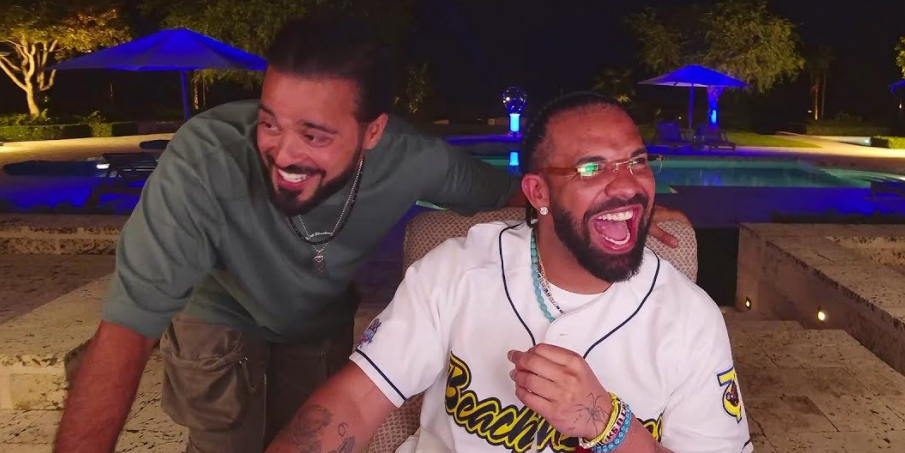
Rapper Blueface has also made appearances on livestream platforms, blending music, conversation, and exclusive previews to grow hype and fan engagement in new ways after coming out of prison in 2025.
Electronic acts like Steve Aoki and deadmau5 regularly host live DJ sets and sessions that attract thousands of viewers, while pop stars like Post Malone have used livestreaming, including charity streams and casual gameplay, to stay connected with fans globally.
Even major names like Drake have appeared on platforms like Kick, pushing live engagement beyond the stage.
Artistes such as Fred Again.. and John Summit use streams to preview new music, break down creative processes, and give fans behind‑the‑scenes access that traditional releases can’t match.
Rappers like Tee Grizzley also stream on Twitch, often bridging gaming and music content to grow community and income simultaneously.
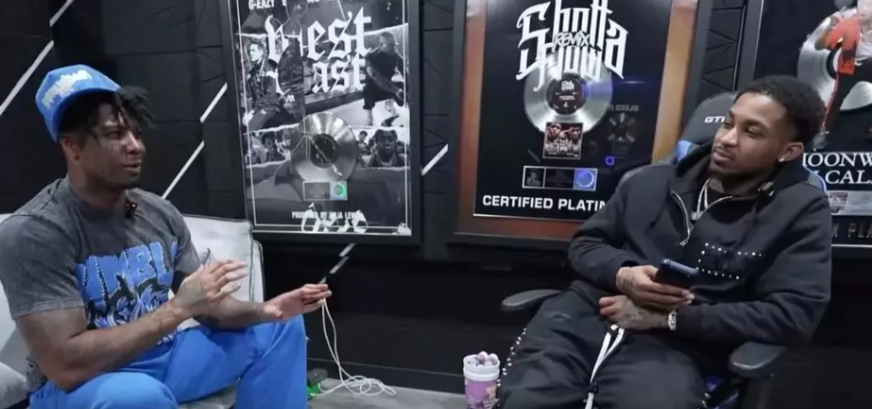
These activities demonstrate how livestreaming can be more than a side hustle; it can enhance brand visibility, deepen fan loyalty, and create sustained income independent of traditional music channels.
Meanwhile, Kenya’s music scene appears to be underutilising this opportunity. Most artistes focus on TikTok challenges, viral YouTube music videos, club performances, and consumption on platforms like Spotify or Boomplay.
While these avenues help songs gain traction, they offer limited real‑time interaction with fans and comparatively minimal direct monetisation.
Kenyan artistes rarely host livestreamed production sessions, Q&As, or longer live content, missing the chance to cultivate “superfans” who subscribe, donate, and share a personal connection with the artiste.
Several factors contribute to this gap: high data costs, inconsistent internet infrastructure, and low awareness of the livestreaming ecosystem all pose barriers.
Cultural and industry habits also play a role, with emphasis on radio play, viral dance challenges, and collaborative singles over livestream engagement.
The potential, however, is clear. By adopting live streaming, Kenyan artistes could diversify income, expand audiences beyond local borders, and create interactive experiences that strengthen fan loyalty