Wajir West MP slams Ruto for excluding Wagalla victims from compensation
By K24 Digital Reporter, October 5, 2025Wajir West Member of Parliament Farah Yussuf Mohamed has strongly criticised the government for limiting compensation for victims of police brutality to cases up to 2017, calling the move discriminatory and unconstitutional.
In a hard-hitting letter addressed to President William Ruto and copied to former Prime Minister Raila Odinga on Sunday, October 5, 2025, Farah accused the government of sidelining historical victims from Northern Kenya who suffered some of the country’s gravest human rights violations.
Raila had earlier said that compensation for victims of state brutality is crucial for national reconciliation.
“The selective approach to justice offends the principles of equality, fairness, non-discrimination, and inclusivity as enshrined in the Constitution,” he said.
“By restricting compensation to post-2017 cases, the government is deliberately excluding victims of earlier and more egregious violations, most notably the Wagalla Massacre of February 1984,” Farah added.
Also watch: Havi slams Ruto over state compensation for police killings.
He warned that failing to include these victims deepens inequality and perpetuates a cycle of silence and injustice.
“Reparations cannot be limited by arbitrary timelines. If the government proceeds with this exclusion, we will have no choice but to challenge it in court on grounds of discrimination and breach of constitutional rights under Articles 22, 23, and 258,” he said.
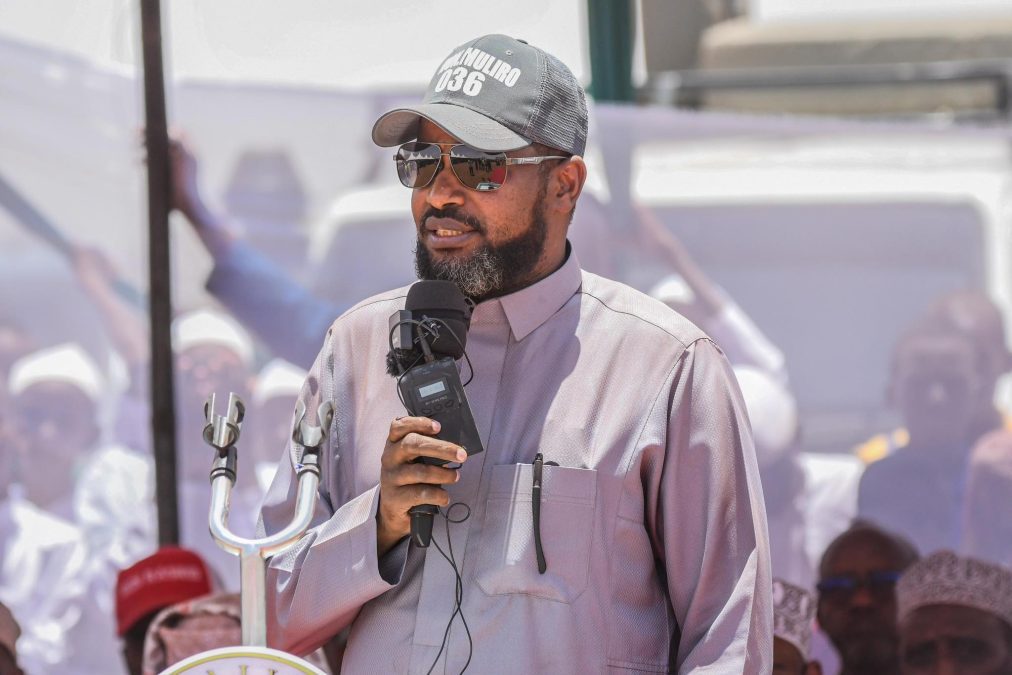
The lawmaker has urged the immediate expansion of the compensation framework to cover all victims of state brutality, including survivors of historical atrocities in Northern Kenya.
He also called for a public commitment from the President and relevant ministries for a transparent, inclusive, and equitable reparations process.
Farah’s protest is likely to reignite debate over Kenya’s troubled history with state violence, particularly in Northern Kenya, where communities have long suffered brutal counter-insurgency operations.
Human rights groups have criticised successive governments for treating Wagalla as an inconvenient chapter best left buried, while political leaders like Raila Odinga may leverage the issue to push for broader reparations.
Also watch: Kikuyu Elders Demand Fair Compensation for Protest Victims.
The Wagalla Massacre
On February 10, 1984, thousands of Somali Degodia civilians in Wajir were rounded up by the Kenyan Army under the pretext of investigating a rebellion.
Men were detained at Wagalla Airstrip for days without food or water, and many were tortured or executed. Survivors recall being stripped naked, forced to lie on the tarmac under the scorching sun, and shot when attempting to flee.
Eyewitnesses estimate that thousands perished, though the exact death toll remains unknown.
For decades, survivors and their families have demanded accountability. In 1992, the late President Daniel Arap Moi promised compensation, but it never materialised.
In 2015, then-President Uhuru Kenyatta publicly apologised on behalf of the state, yet reparations remain elusive.
The Truth, Justice and Reconciliation Commission (TJRC) confirmed the atrocities and recommended reparations, but successive governments have failed to act.