Maanzo: Govt has shot itself in the foot with NACADA’s alcohol policy
By Steve Ireri, July 31, 2025Makueni Senator Dan Maanzo has sharply criticised the government’s latest directive on alcohol regulation, warning that it not only bypasses due legislative process but also threatens to backfire economically and socially.
Speaking during an interview with a local TV station on Thursday, July 31, 2025, the senator said the government should prioritise tackling the root cause of the alcohol crisis in Kenya, the quality and toxicity of the brews consumed, instead of rushing to enforce blanket policies that ignore parliamentary oversight and public participation.
“The problem in Kenya should be the poisonous alcohol, and I think that is what the government should be dealing with first. You have seen alcohol that makes people lose their eyesight. The government must eliminate all manufacturing of toxic liquor,” he said.
He noted that alcohol is consumed globally but under strict quality control and responsible societal standards.
In contrast, he said Kenya is grappling with unregulated consumption, excessive drinking and disturbing incidents where people abuse their bodies and even become victims or perpetrators of sexual assault, especially due to poisonous and illicit brews.
“What the government ought to focus on is the quality of alcohol being consumed in the country. Alcohol is consumed globally, but it is tightly regulated. In Kenya, the real issue is the influx of poisonous, unregulated alcohol that is killing people, causing blindness, and exposing women and men to sexual violence due to excessive drinking. That is where the effort should go, ensuring that whatever is being sold is fit for human consumption.”
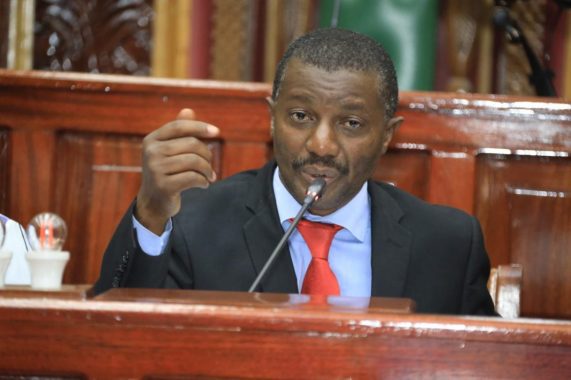
Maanzo warned that the current approach, in which NACADA appears to be driving policy without involving Parliament or consulting stakeholders, is both legally questionable and procedurally flawed.
He likened it to other controversial government actions, including directives such as the ‘shoot to kill’ order, which were implemented without being debated in Parliament.
“When it comes to making laws, this should be a policy that is brought to Parliament as a sessional paper. You cannot just make your own policy, pass it in Cabinet and stop there. If there are regulations, they must follow the Statutory Instruments Act and go through the proper procedure,” he said.
He cautioned that failure to involve the public and key industry players in the formulation of such policies risks creating a regulatory framework that targets small operators unfairly, while protecting politically connected business owners.
“You cannot make these kinds of laws without consulting the industry. Public participation is key. Kenyans will always come up with a way to ensure that businessmen are safe, the quality of liquor is good, and drinking limits are applied accordingly,” he said.
Maanzo also raised alarm that selective enforcement of alcohol regulations may be used to eliminate competitors and protect government allies, warning that such bias could deepen social unrest.
He pointed out that the alcohol industry directly and indirectly employs close to three million Kenyans, and any rushed crackdown could spark mass job losses and escalate public discontent.
“If they lose their jobs, the demonstrations will be even more,” he warned.