Embu West Police boss: We don’t arrest people, we arrest mistakes
By Faith Lagat, July 7, 2025As Saba Saba protests swept across the country on July 7, 2025, one police officer’s words stood out amid the noise—offering a glimpse into a more restrained and thoughtful approach to law enforcement.
Addressing protesters in Embu, Embu West Police Commander Vincent Kitili stated, “Hatushiki watu, tunashika makosa”—Swahili for “We don’t arrest people, we arrest mistakes.”
Captured in a video, Kitili’s message quickly gained traction online, contrasting sharply with the widespread criticism of police conduct in recent protests.
A message of restraint amid chaos
“We are here to ensure that the law is upheld, but our focus is on the actions, not the actors,” he told the crowd. “If there is a mistake, we address it. If there is no mistake, there is no reason for arrest.”
The statement comes against a tense backdrop.
Kenya has in recent months witnessed a surge in youth-led protests, many sparked by economic grievances and accusations of state corruption.
June 25
While peaceful in intent, some of the demonstrations have been marred by violence, looting, and destruction of property and, sadly, loss of life, prompting the government to deploy police and to restore order.
According to CS Interior Kipchumba Murkomen, at least ten Kenyans died during the June 25, 2025, protests, and the government is conducting investigations into the circumstances of their untimely deaths.
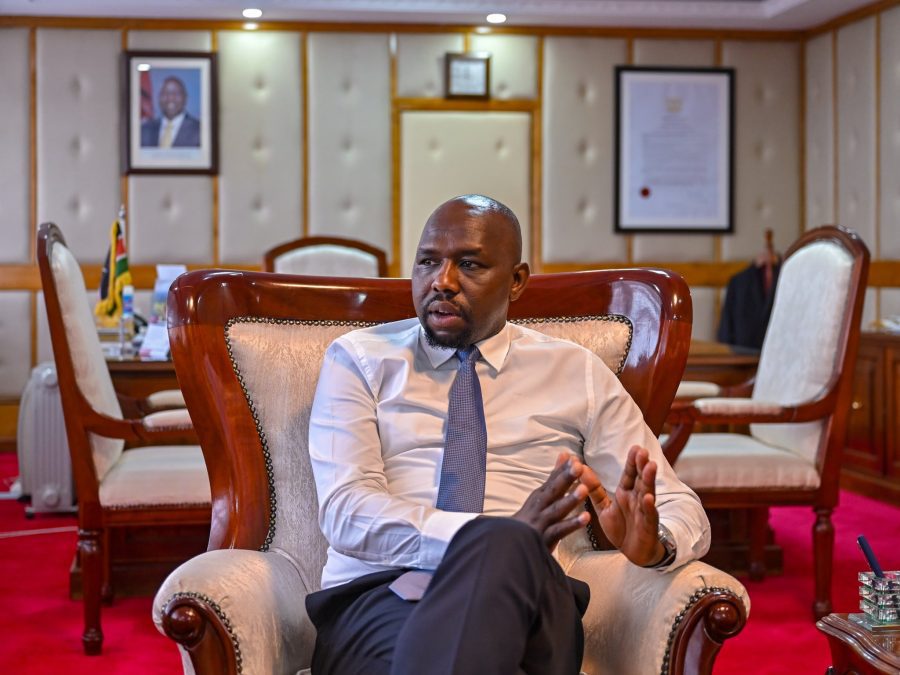
“More than 10 Kenyans were killed; investigations are ongoing into the circumstances under which this happened. Over 400 people were injured; close to 300 were police officers, and some left with injuries they will carry for the rest of their lives,” he stated.
Kitili’s comments suggest a deliberate pivot from the historically heavy-handed response to civil unrest. His message on emphasising restraint, clarity of purpose, and discernment marks a potential shift in policing philosophy.
“Not everyone here is making a mistake. Some are exercising their rights. Our job is to differentiate wrongdoers and act accordingly,” he added, highlighting the importance of protecting constitutional freedoms even during times of heightened tension.
His remarks also align with long-standing calls for police reforms in Kenya, especially in the wake of past incidents of excessive force, extrajudicial killings, and arbitrary arrests during protests.
While words alone won’t erase the trauma many Kenyans associate with protest crackdowns, Kitili’s approach could help set a new tone for police-civilian relations.
In an era when the country’s youth are increasingly vocal and organised, statements like “we arrest mistakes, not people” may form the foundation of a more responsive, rights-respecting police culture.